
Listen to this Post
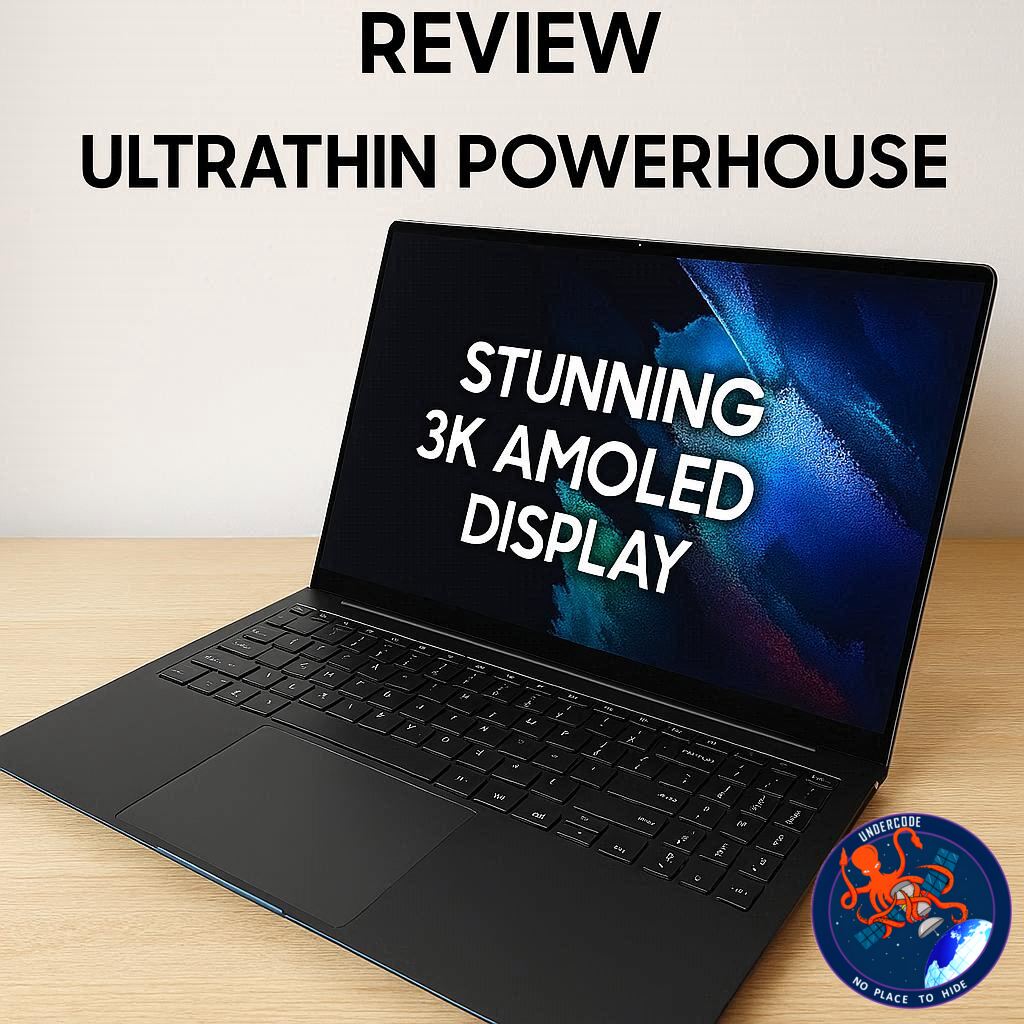
Introduction: Premium Ultrabook Ambition Meets Real-World Performance
The Samsung Galaxy Book6 Pro enters the premium ultrabook category with a clear mission: combine sleek portability, high-end materials, and powerful performance into a single refined machine. In a market crowded with competitors like the Asus Zenbook S 16 and Dell 16 Plus, Samsung aims to stand out not just with specs, but with design excellence and display innovation. This laptop doesn’t merely compete, it tries to redefine expectations for what a thin-and-light device can deliver.
Comprehensive Performance, Design, and Value
The Samsung Galaxy Book6 Pro presents itself as a premium ultrabook that excels in nearly every core category, starting with its exceptional design. The chassis is crafted entirely from metal, giving it a solid, high-end feel while maintaining a remarkably thin profile. Its minimalist aesthetic, characterized by clean lines and rounded corners, enhances its visual appeal and aligns well with modern design trends. Despite its slim build, the 16-inch version carries noticeable weight, which slightly undermines its portability advantage. Still, the thinness makes it easy to slip into a bag, offering a balance between size and mobility.
Performance is one of the most surprising strengths of the device. Powered by Intel Core Ultra processors and integrated Intel Arc graphics, the Book6 Pro handles everyday tasks such as browsing, productivity work, and 4K streaming effortlessly. What stands out is its ability to manage even demanding applications and AAA games at respectable settings, something not typically expected from integrated graphics. While it cannot replace a dedicated gaming laptop, it proves more capable than many ultrabooks in its class.
Thermal performance is decent, though not flawless. Under moderate to heavy workloads, the keyboard area can become warm, and fan noise becomes noticeable. However, the sound levels remain relatively subdued and do not significantly disrupt the user experience. The balance between performance and thermal control reflects the compromises often found in ultra-thin laptops.
The standout feature of the Galaxy Book6 Pro is undoubtedly its 16-inch 3K AMOLED display. The screen delivers exceptional brightness, sharpness, and color accuracy, making it ideal for both productivity and media consumption. The touchscreen functionality adds versatility, while the ultra-thin bezels and subtly rounded display corners enhance immersion. This display alone places the device among the best in its category.
Input devices offer a mixed experience. The keyboard features solid, well-damped keys but requires more force than expected, which may lead to missed keystrokes for users accustomed to lighter typing. The layout also feels slightly cramped, and the absence of a number pad on a 16-inch laptop is a missed opportunity. In contrast, the touchpad performs exceptionally well, offering a large, smooth surface that supports precise navigation with minimal accidental input.
Battery life is adequate but not class-leading. The device lasts around 14 hours in video playback tests, which is competitive but falls short of some rivals like the MacBook Air lineup. Charging speed is reasonably fast, allowing the laptop to reach full capacity in about two hours.
In terms of pricing, the Galaxy Book6 Pro sits firmly in the premium segment, starting around $1,899 and reaching over $2,199 for higher configurations. While expensive, it aligns with competitors offering similar specifications and build quality. Alternatives like the Asus Zenbook S 16 provide comparable features, while the Dell 16 Plus offers a more budget-friendly option with slightly reduced display quality.
Overall, the Galaxy Book6 Pro is a well-rounded ultrabook that delivers strong performance, exceptional design, and a market-leading display, though it comes with trade-offs in weight, keyboard comfort, and port selection.
What Undercode Say: Deep Analysis of Samsung’s Ultrabook Strategy
Samsung’s approach with the Galaxy Book6 Pro reflects a broader industry shift where laptops are no longer judged solely by raw performance but by the harmony between design, usability, and display technology. What stands out immediately is Samsung’s confidence in its AMOLED expertise. By placing such a high-quality 3K AMOLED panel at the center of the experience, the company is effectively betting that visual experience can outweigh traditional limitations like port selection or keyboard ergonomics.
This strategy mirrors what Apple achieved with Retina displays years ago. Once users experience a superior screen, it becomes difficult to return to standard panels. Samsung is leveraging this psychological advantage. The display is not just a feature, it is the identity of the device.
However, there is a trade-off embedded in this philosophy. The ultra-thin design, while visually impressive, introduces thermal and ergonomic compromises. Heat buildup and heavier key actuation are not accidental flaws, they are consequences of engineering decisions prioritizing slimness over internal space optimization. This raises a critical question: are users willing to sacrifice comfort for aesthetics?
Performance-wise, the inclusion of Intel Arc integrated graphics is a calculated move. It signals a future where integrated GPUs become powerful enough to handle light gaming and creative workloads. This is important because it reduces reliance on dedicated GPUs, allowing manufacturers to maintain thinner designs without completely sacrificing graphical capability. The Galaxy Book6 Pro demonstrates that this transition is already underway.
Another interesting aspect is Samsung’s pricing strategy. By positioning the Book6 Pro alongside premium competitors rather than undercutting them, Samsung is reinforcing its brand image as a high-end hardware manufacturer. This is not a budget-friendly innovation play; it is a premium identity play. The company is essentially saying that its laptops deserve to stand shoulder-to-shoulder with the best in the industry.
Yet, the lack of ports and the keyboard compromises suggest that Samsung is still refining its understanding of professional user needs. While minimalism works well for design, productivity users often require flexibility. Competitors like the Asus Zenbook S 16 manage to include more ports without sacrificing thinness, which highlights a gap in Samsung’s current execution.
Battery life also reveals an interesting limitation. Despite advances in efficiency, the AMOLED display likely contributes to higher power consumption, especially at high brightness levels. This creates a subtle tension between visual excellence and endurance, a trade-off that users may notice during extended usage.
Looking forward, the Galaxy Book6 Pro represents a transitional device. It is not perfect, but it signals where ultrabooks are heading: thinner designs, stronger integrated graphics, and displays that rival professional monitors. Samsung is clearly prioritizing innovation in visual and design elements, even if it means accepting certain compromises in usability.
Ultimately, the Galaxy Book6 Pro is less about being the most practical laptop and more about redefining what a premium ultrabook should feel like. It is a statement device, one that prioritizes experience over perfection, and in doing so, it pushes the industry forward.
Fact Checker Results
✅ The laptop features a 3K AMOLED display and premium metal design.
✅ Integrated Intel Arc graphics can handle light gaming and creative tasks.
❌ Battery life does not reach Samsung’s claimed 30-hour maximum.
Prediction
📊 AMOLED displays will become standard in premium ultrabooks within the next few years.
📊 Integrated GPUs will increasingly replace entry-level dedicated graphics in thin laptops.
📊 Future Galaxy Book models will likely address port limitations and keyboard ergonomics to compete more aggressively.
▶️ Related Video (82% Match):
🕵️📝✔️Let’s dive deep and fact‑check.
References:
Reported By: www.techradar.com
Extra Source Hub (Possible Sources for article):
https://www.medium.com
Wikipedia
OpenAi & Undercode AI
Image Source:
Unsplash
Undercode AI DI v2
Bing
🔐JOIN OUR CYBER WORLD [ CVE News • HackMonitor • UndercodeNews ]
📢 Follow UndercodeNews & Stay Tuned:
𝕏 formerly Twitter 🐦 | @ Threads | 🔗 Linkedin | 🦋BlueSky | 🐘Mastodon


