
Listen to this Post
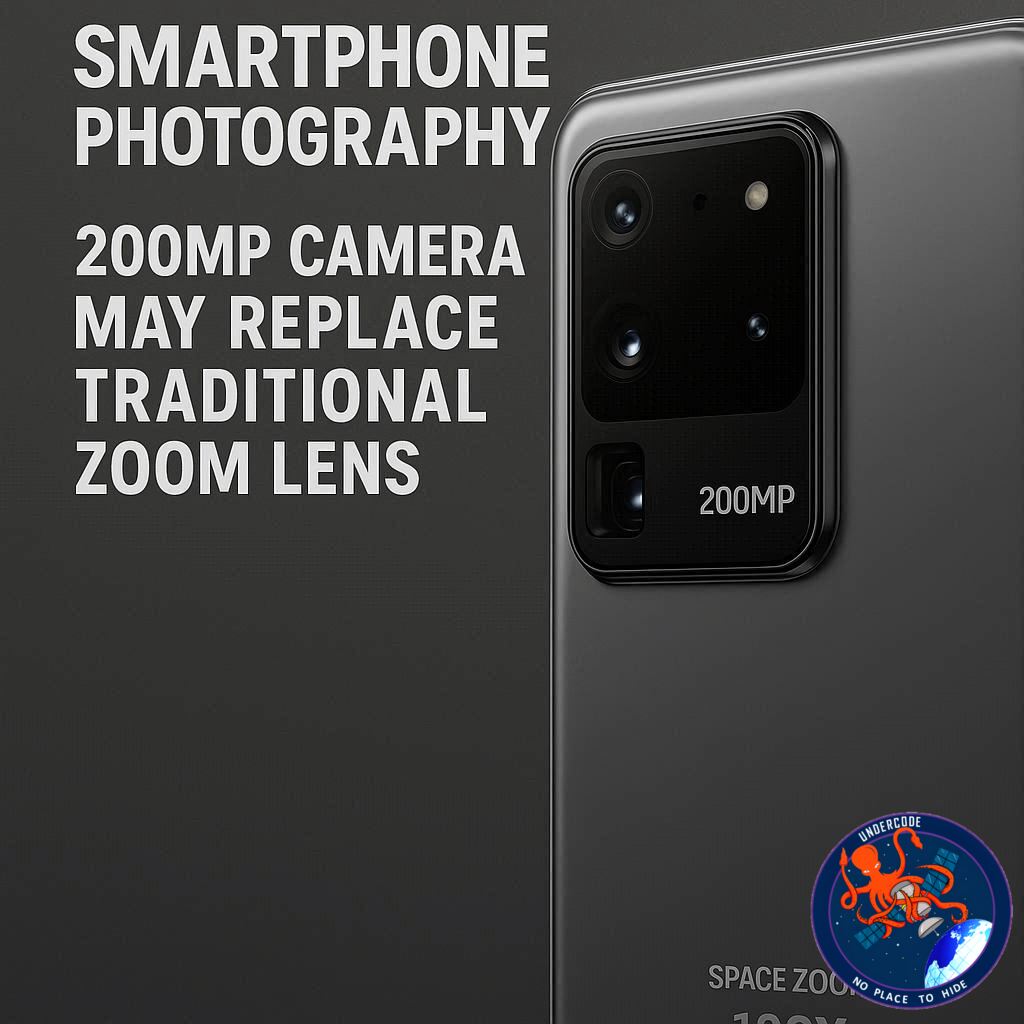
Samsung has long pushed the boundaries of smartphone photography, and the rumored Galaxy S27 Ultra could take this to an unprecedented level. With the possibility of a new 200MP primary sensor replacing the traditional 3x telephoto camera, Samsung appears ready to redefine what users expect from flagship smartphone cameras. This upcoming model signals a major shift in design philosophy, promising not just higher megapixels but smarter, more versatile imaging technology.
the
Samsung’s Ultra series has consistently evolved since the Galaxy S21 Ultra, which introduced a 3x optical zoom telephoto lens alongside its main camera. Successive Ultra models, including the latest Galaxy S26 Ultra, maintained this telephoto camera. However, rumors indicate the Galaxy S27 Ultra may break this trend.
Renowned tipster Ice Universe reports that Samsung could remove the dedicated 3x telephoto camera entirely. Instead, the new 200MP primary sensor will handle 3x zoom shots, potentially eliminating the need for a separate lens. Samsung reportedly believes the advanced main sensor can match or surpass the performance of the traditional telephoto lens, a move that could simplify the phone’s design while offering superior image quality.
The Galaxy S27 Ultra’s rumored camera shift is part of a broader trend in mobile photography, where computational imaging and high-resolution sensors increasingly replace multiple lens setups. This could streamline manufacturing, reduce internal space usage, and enhance software-driven photography features. While official details are scarce, the anticipation for Samsung’s next flagship is high, with consumers and tech enthusiasts watching closely for confirmation of these bold changes.
What Undercode Says:
Evolution of Ultra Series Photography
The Ultra line has historically differentiated itself through camera innovation. The S21 Ultra’s addition of a 3x telephoto lens was a critical upgrade, and each subsequent Ultra model refined this approach. Removing the dedicated telephoto lens signals a shift toward maximizing computational photography rather than relying purely on hardware.
Implications of the 200MP Sensor
The reported 200MP main sensor is a substantial leap in resolution, enabling high-detail shots and versatile zoom capabilities. Computational photography can simulate optical zoom, potentially achieving the same quality as a dedicated lens. Samsung’s confidence in the sensor suggests major improvements in image processing, AI-driven enhancements, and low-light performance.
Impact on Device Design and Portability
By eliminating the 3x telephoto lens, Samsung can reduce the phone’s internal complexity, potentially making the device slimmer and lighter. This may also provide room for larger batteries or improved cooling systems, enhancing overall performance without sacrificing camera quality.
Market Positioning
If Samsung succeeds in replacing the telephoto lens with a single, high-resolution sensor, the S27 Ultra could outpace competitors who rely on multiple traditional lenses. This positions Samsung as a leader in next-generation smartphone photography, appealing to consumers who prioritize camera versatility and innovation.
Potential Software Enhancements
Advanced AI algorithms will likely play a critical role in replicating optical zoom quality. Features such as improved HDR, real-time noise reduction, and super-resolution processing could make the 200MP sensor more effective than conventional telephoto solutions. This could mark a new era of “software-first” smartphone photography.
Challenges Ahead
Despite the advantages, Samsung faces technical hurdles. Replicating true optical zoom through a single sensor is complex and may require extensive computational power. There is also the risk that early iterations could fail to match consumer expectations set by previous Ultra models.
Consumer Reception and Pricing
High-resolution sensors generally increase production costs, which may reflect in the S27 Ultra’s pricing. Early adopters will likely be tech enthusiasts and photography professionals, while mainstream consumers may weigh the benefits of higher resolution against price considerations.
Long-Term Implications
If successful, Samsung’s approach could influence the broader smartphone industry, pushing competitors to prioritize computational photography over multiple lens setups. This might lead to simpler, more versatile devices with advanced AI-driven camera capabilities.
Brand Strategy
Samsung’s strategy reflects a broader trend in the tech world: integrating hardware and software to achieve superior results without adding bulk. The S27 Ultra could serve as a showcase for this philosophy, highlighting innovation that balances practicality with cutting-edge technology.
User Experience Enhancement
A single, high-resolution sensor may also simplify user interactions. Users would not need to switch between multiple lenses for zoom shots, creating a seamless experience without compromising image quality.
Competitive Edge
Samsung’s aggressive move could set the Ultra line apart from competitors like Apple and Google, whose devices still rely on multi-lens systems. By leveraging AI and sensor technology, Samsung may redefine flagship smartphone expectations.
Supply Chain and Manufacturing Considerations
Simplifying the camera system could reduce supply chain complexity and manufacturing costs, which could offset the investment in advanced sensors. This would allow Samsung to maintain profitability while delivering premium technology.
Environmental Impact
Fewer camera components could reduce material usage and electronic waste, aligning with sustainable manufacturing trends in the consumer electronics industry.
Overall Market Anticipation
Enthusiasm for the Galaxy S27 Ultra reflects growing consumer interest in cameras that combine power, versatility, and simplicity. Tech reviewers and early adopters are particularly focused on whether the 200MP sensor can truly replace the optical telephoto lens.
Integration with Other Technologies
Beyond photography, the high-resolution sensor may enhance augmented reality (AR), virtual reality (VR), and AI-driven applications, expanding the device’s utility in emerging tech ecosystems.
Developer Opportunities
Samsung’s potential shift opens avenues for app developers to optimize software for single-sensor zoom capabilities, encouraging innovation in mobile photography applications.
Global Market Dynamics
The Galaxy S27 Ultra may be a crucial product for Samsung’s global strategy, especially in markets where high-end smartphones drive brand prestige and revenue growth.
Conclusion on Innovation
This rumored innovation reflects Samsung’s commitment to pushing mobile photography forward, blending hardware sophistication with AI and computational prowess to redefine user expectations.
🔍 Fact Checker Results
✅ Rumors originate from credible tipster Ice Universe, known for accurate Samsung leaks.
❌ Official Samsung confirmation of the S27 Ultra’s 200MP sensor or telephoto removal has not been released.
✅ Historical trend: Ultra models since S21 included 3x optical telephoto lenses.
📊 Prediction
The Galaxy S27 Ultra is likely to spark a new wave of “software-first” smartphone cameras. If the 200MP sensor delivers on its promise, future flagships may follow Samsung’s lead, prioritizing computational photography over traditional multi-lens setups. Users can expect exceptional zoom capabilities, better low-light performance, and simplified camera design, potentially setting new industry standards by late 2026.
🕵️📝Let’s dive deep and fact‑check.
References:
Reported By: www.sammobile.com
Extra Source Hub (Possible Sources for article):
https://www.quora.com/topic/Technology
Wikipedia
OpenAi & Undercode AI
Image Source:
Unsplash
Undercode AI DI v2
Bing
🔐JOIN OUR CYBER WORLD [ CVE News • HackMonitor • UndercodeNews ]
📢 Follow UndercodeNews & Stay Tuned:
𝕏 formerly Twitter 🐦 | @ Threads | 🔗 Linkedin | 🦋BlueSky | 🐘Mastodon


