
Listen to this Post
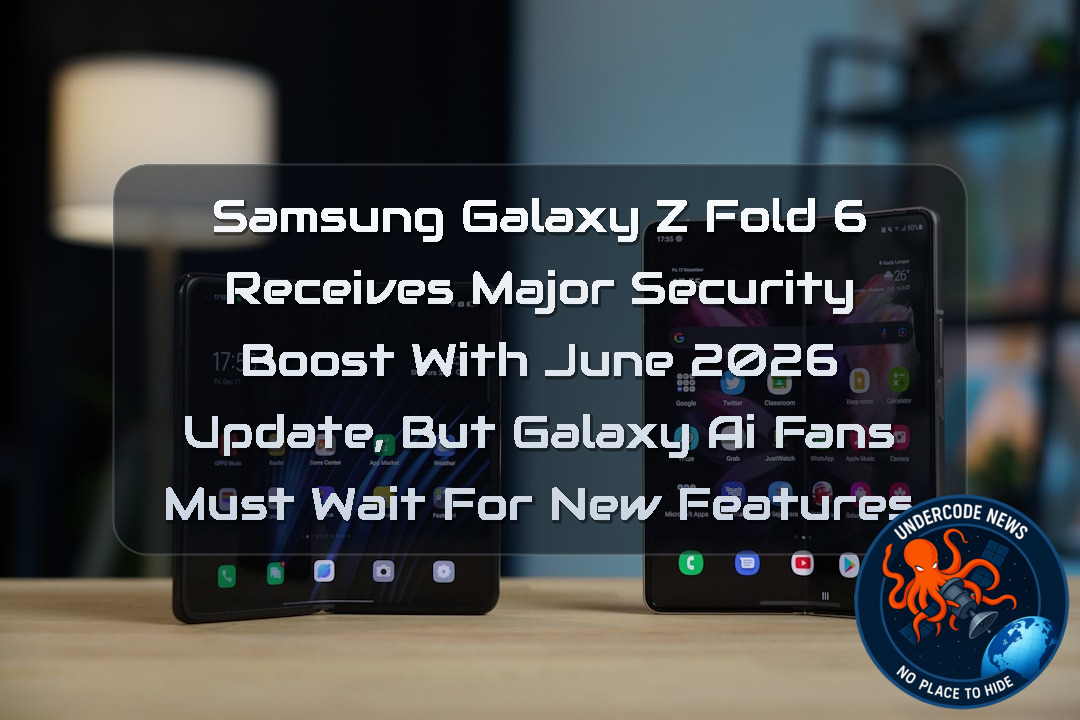 Samsung Strengthens Its Foldable Future With a Security-Focused Update
Samsung is continuing its aggressive software maintenance strategy for premium Galaxy devices, and the latest move brings improved protection to the Galaxy Z Fold 6 lineup. The company has released a new software update for both the Galaxy Z Fold 6 and Galaxy Z Fold 6 Special Edition, focusing on security improvements rather than introducing major user-facing features.
The update arrives at an important moment for Samsung’s ecosystem. As foldable smartphones become increasingly powerful and expensive, software stability and long-term security support have become just as important as hardware innovation. While many Galaxy users were hoping for new Galaxy AI tools, Samsung has instead prioritized strengthening device protection through the latest security patch.
Galaxy Z Fold 6 Update Brings June 2026 Security Improvements
Samsung has started rolling out a new firmware package for the Galaxy Z Fold 6 and Galaxy Z Fold 6 Special Edition in South Korea. The update carries firmware version F95xNKSS4DZF3 and includes the June 2026 Android security patch.
At this stage, the release appears limited to South Korean models, but Samsung typically expands major security updates to additional markets shortly after the initial deployment. Users in Europe, North America, and other regions are expected to receive the update gradually over the following days or weeks.
The update does not introduce new applications, interface changes, or Galaxy AI upgrades. Instead, it focuses on improving system security, fixing potential vulnerabilities, and ensuring that Samsung’s latest foldable devices remain protected against emerging threats.
Galaxy Z Fold 6 Owners Were Expecting More Galaxy AI Features
The timing of this update created expectations among some Galaxy users because Samsung recently introduced advanced AI capabilities with the Galaxy S26 series. Features such as File Summaries and Notification Highlights attracted attention because they demonstrated Samsung’s direction toward deeper artificial intelligence integration.
However, Galaxy Z Fold 6 owners will not receive those features through this update. Samsung appears to be keeping certain Galaxy AI improvements exclusive to newer hardware, at least for the current software release cycle.
This decision highlights a common challenge in the smartphone industry. Manufacturers must balance innovation, hardware limitations, performance requirements, and product differentiation. While older premium devices often receive security and operating system updates, some new AI experiences may depend on newer processors or specific hardware optimizations.
How Galaxy Z Fold 6 Users Can Install the Update
Galaxy Z Fold 6 and Galaxy Z Fold 6 Special Edition owners in supported regions can manually check for the update through their device settings.
The installation process is simple:
Open Settings on the Galaxy Z Fold 6.
Select Software update.
Tap Download and install.
Allow the device to complete the update process.
Samsung recommends keeping the device connected to Wi-Fi and ensuring sufficient battery capacity before starting the installation. Security updates may appear small compared to feature updates, but they often contain important fixes that protect personal data and system integrity.
Samsung’s Security Strategy Shows Long-Term Commitment to Foldables
Samsung’s latest update reflects the company’s broader strategy of maintaining its premium smartphone lineup. Foldable devices represent some of Samsung’s most expensive consumer products, making consistent software support essential for customer confidence.
The Galaxy Z Fold 6 was designed as a productivity-focused flagship, offering a large internal display, multitasking capabilities, and premium hardware. For users who rely on the device for business, communication, and personal information management, security updates are not optional improvements but critical maintenance.
Samsung’s approach also helps strengthen the reputation of foldable smartphones. Early foldable generations faced concerns about durability, software reliability, and long-term value. Regular updates demonstrate that Samsung views foldables as a permanent part of its smartphone ecosystem rather than an experimental category.
Deep Analysis: Linux Commands, Android Security Layers, and Samsung’s Software Evolution
Understanding Firmware Updates Through System-Level Analysis
A smartphone update is more than a simple download. Behind every firmware package exists a complex software chain involving the operating system, security patches, drivers, kernel improvements, and manufacturer-specific components.
Linux, which forms the foundation of Android, provides the underlying architecture that manages hardware communication, memory allocation, processes, and system security. Advanced Android troubleshooting often relies on Linux-based concepts because Android inherits many core principles from Linux environments.
Useful Android Debug Bridge Commands for Update Analysis
Developers and advanced users can examine Android system information using Android Debug Bridge commands:
adb devices
This command checks whether a connected Android device is recognized by the computer.
adb shell getprop ro.build.version.security_patch
This displays the installed Android security patch level.
adb shell getprop ro.build.version.release
This shows the current Android version running on the device.
adb shell df -h
This checks available storage space, which can help diagnose update installation problems.
adb reboot recovery
This restarts the device into recovery mode for advanced maintenance operations.
Security Updates Are More Important Than They Appear
Many users judge smartphone updates by visible changes such as redesigned menus or new applications. However, security updates often address vulnerabilities that are invisible but potentially dangerous.
A device connected to the internet constantly interacts with networks, applications, cloud services, and external files. Security patches reduce the risk of exploitation by fixing weaknesses discovered by researchers and manufacturers.
For enterprise users, journalists, business professionals, and anyone storing sensitive information, these updates provide essential protection.
Samsung’s AI Expansion Creates a New Software Divide
The missing Galaxy AI features from this update reveal a growing trend in the smartphone industry. Artificial intelligence is becoming one of the biggest reasons consumers upgrade devices.
Hardware improvements used to be the primary motivation for buying a new phone. Today, companies are increasingly using AI features as a major differentiator between generations.
Samsung’s Galaxy S26 series represents this transition. New AI capabilities may require stronger processors, additional memory resources, or specialized neural processing technology. This creates a situation where older flagship devices remain powerful but may not receive every new intelligent feature.
Android 17 Could Accelerate Samsung One UI Development
Google’s release of stable Android 17 for Pixel devices creates a new software milestone for Android manufacturers. Samsung typically adapts Google’s Android releases into its own One UI interface, adding custom features, design changes, and Galaxy-specific optimizations.
The Galaxy S26 series has already received multiple One UI 9.0 beta versions, suggesting Samsung is moving closer toward a stable public release.
A faster One UI 9.0 rollout could bring significant changes across the Galaxy ecosystem, including improvements to performance, security, customization, and artificial intelligence integration.
What Undercode Say:
Samsung’s latest Galaxy Z Fold 6 update represents something more important than a simple security patch. It shows how the smartphone industry is entering a period where software longevity is becoming a major battlefield.
For years, smartphone competition focused heavily on cameras, processors, and displays. Those areas remain important, but users now expect devices to improve after purchase. A premium smartphone is no longer judged only by what it offers on launch day.
Samsung understands that foldable users are early adopters who invest heavily in technology. These customers expect strong support, frequent updates, and protection against security threats.
However, the absence of Galaxy AI features creates an interesting discussion. Samsung’s decision suggests that artificial intelligence may become the next major dividing line between device generations.
The Galaxy Z Fold 6 remains a powerful flagship smartphone, but newer Galaxy models could increasingly separate themselves through exclusive AI experiences rather than traditional hardware advantages.
This strategy has risks. If older premium devices lose important software features too quickly, customers may feel their expensive purchases have shorter lifespans.
At the same time, Samsung must maintain product differentiation. Companies cannot provide every new feature to every device forever because newer hardware investments need meaningful advantages.
The balance between customer loyalty and business strategy will become one of Samsung’s biggest challenges.
The June 2026 security update also demonstrates that Samsung continues taking foldable reliability seriously. Foldable phones require strong software optimization because they introduce unique challenges, including multiple display states, complex multitasking systems, and advanced hinge-related interactions.
Security updates may not create excitement on social media, but they build trust over time.
The future of Galaxy devices will likely depend on how Samsung combines security, artificial intelligence, and long-term software support.
The company has built a strong foldable foundation, but the next stage will determine whether Galaxy users view Samsung as a company that supports devices for years or simply encourages frequent upgrades.
✅ Samsung released a security update for Galaxy Z Fold 6 and Galaxy Z Fold 6 Special Edition: Confirmed. The update includes the June 2026 security patch and improves device protection.
✅ The update does not introduce new Galaxy AI features: Confirmed. Features such as File Summaries and Notification Highlights are not included in this release.
❌ The update represents a major One UI redesign: Not confirmed. This release is focused on security improvements rather than major interface changes.
Prediction
(+1) Samsung will likely continue expanding long-term security support for premium Galaxy foldable devices as competition in the smartphone market increases.
(+1) One UI 9.0 could bring a significant software upgrade cycle once Samsung completes development based on Android 17.
(+1) Future Galaxy AI features may become more advanced as Samsung improves integration between hardware and artificial intelligence.
(-1) Some Galaxy users may become frustrated if exclusive AI features remain limited to newer flagship models.
(-1) Samsung could face criticism if older premium devices receive fewer intelligent features despite having powerful hardware.
(-1) Increasing focus on AI-exclusive upgrades may encourage faster smartphone replacement cycles.
▶️ Related Video (64% Match):
🕵️📝Let’s dive deep and fact‑check.
🎓 Live Courses & Certifications:
Join Undercode Academy for Verified Certifications
🚀 Request a Custom Project:
Secure, high-velocity infrastructure and disruptive technological engineering. Contact our engineering team for high-tier development and proprietary systems:
[email protected]
💎 Smart Architecture | 🛡️ Secure by Design | ⭐ Trusted by Thousands
References:
Reported By: www.sammobile.com
Extra Source Hub (Possible Sources for article):
https://www.facebook.com
Wikipedia
OpenAi & Undercode AI
Image Source:
Unsplash
Undercode AI DI v2
🔐JOIN OUR CYBER WORLD [ CVE News • HackMonitor • UndercodeNews ]
📢 Follow UndercodeNews & Stay Tuned:
𝕏 formerly Twitter 🐦 | @ Threads | 🔗 Linkedin | 🦋BlueSky | 🐘Mastodon | 📺Youtube


