
Listen to this Post
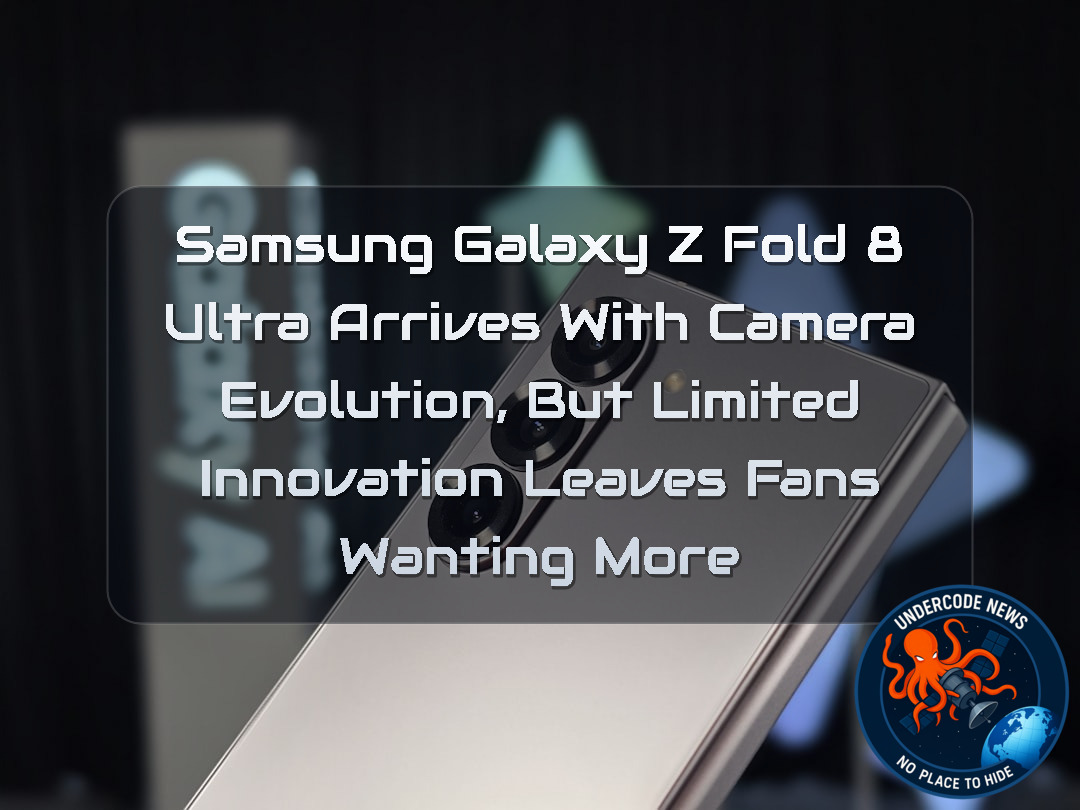 🎯 Introduction: A New Foldable Era With Familiar Foundations
Samsung has officially expanded its premium foldable lineup with the launch of the Galaxy Z Fold 8 Ultra, a device designed to represent the future of mobile productivity, luxury design, and advanced smartphone engineering. As foldable phones continue moving from experimental technology into mainstream flagship territory, expectations around every new generation are becoming increasingly demanding.
The Galaxy Z Fold 8 Ultra arrives as the successor to the Galaxy Z Fold 7, bringing refinements rather than a complete transformation. While Samsung has improved one important part of the camera system, the overall imaging experience remains surprisingly close to its predecessor. The biggest upgrade comes in the form of a new 50MP ultra-wide camera, replacing the previous 12MP sensor found on the Galaxy Z Fold 7.
For many users, the question is not whether the Galaxy Z Fold 8 Ultra is powerful, but whether it delivers enough innovation to justify upgrading. Samsung appears to be focusing on improving specific weaknesses rather than rebuilding the entire foldable formula.
Galaxy Z Fold 8 Ultra Launches As Samsung’s Most Advanced Foldable Smartphone
Samsung’s latest book-style foldable smartphone, the Galaxy Z Fold 8 Ultra, continues the company’s strategy of combining a large tablet-like display with the portability of a traditional smartphone. The device targets professionals, creators, and technology enthusiasts who want a premium experience without carrying separate devices.
The Galaxy Z Fold series has become Samsung’s flagship symbol of foldable innovation. Each generation has introduced improvements in durability, performance, software integration, and camera quality. However, as foldable technology matures, major upgrades are becoming harder to achieve.
The Galaxy Z Fold 8 Ultra represents this transition. Instead of introducing dramatic changes across every category, Samsung has chosen targeted improvements that strengthen specific areas.
Camera Upgrade Focuses On Ultra-Wide Photography Improvements
The biggest camera difference between the Galaxy Z Fold 8 Ultra and the Galaxy Z Fold 7 is the ultra-wide camera sensor.
The previous Galaxy Z Fold 7 featured a 12MP ultra-wide camera, while the new Galaxy Z Fold 8 Ultra upgrades this component to a 50MP sensor. This change could significantly improve landscape photography, group shots, architectural images, and low-light ultra-wide photos.
A higher-resolution ultra-wide sensor gives Samsung more flexibility with image processing. It can capture more detail, provide better cropping capability, and improve computational photography results.
However, Samsung has kept the rest of the camera system largely unchanged. The primary camera and telephoto setup remain similar to the previous generation, meaning users should not expect a revolutionary improvement in zoom photography or overall camera performance.
Samsung Chooses Refinement Instead Of Radical Redesign
The Galaxy Z Fold 8 Ultra shows Samsung’s confidence in the existing foldable formula. The company appears to believe that the foundation created by previous Fold generations is already strong enough.
Instead of changing everything, Samsung is improving individual components. This approach reduces risk and allows the company to maintain reliability while slowly advancing the technology.
The challenge is that consumers increasingly expect flagship smartphones to introduce visible upgrades every year. When a device costs significantly more than traditional smartphones, buyers often expect major improvements in cameras, battery life, displays, and performance.
Foldable Smartphone Competition Continues To Increase
Samsung is no longer competing alone in the foldable smartphone market. Companies across Asia and other regions have introduced aggressive foldable devices featuring larger batteries, thinner designs, faster charging, and advanced camera systems.
The Galaxy Z Fold 8 Ultra must compete against manufacturers that are pushing foldable hardware innovation at a rapid pace.
While Samsung maintains a strong advantage in software support, global availability, and ecosystem integration, competitors are challenging the company’s hardware leadership.
The future of foldables may depend less on simply creating a folding screen and more on delivering a complete premium smartphone experience.
Galaxy Z Fold 8 Ultra Camera Strategy Shows Samsung’s Long-Term Vision
Samsung’s decision to upgrade only the ultra-wide camera reveals an interesting strategy. The company may be prioritizing real-world improvements over marketing-focused specification upgrades.
Many smartphone users rely heavily on ultra-wide photography for travel, social media content, and everyday moments. Improving this sensor could create a noticeable difference for normal users.
At the same time, Samsung may be preparing larger camera changes for future Fold generations when new sensor technology becomes more practical.
User Experience Remains The Core Strength Of The Fold Series
Beyond cameras, the Galaxy Z Fold lineup continues to focus heavily on productivity. The large internal display provides advantages for multitasking, document editing, gaming, video consumption, and professional workflows.
Samsung’s software ecosystem remains one of the strongest reasons customers choose Fold devices. Features such as split-screen multitasking, app continuity, and optimized Android experiences make the foldable format more useful.
The Galaxy Z Fold 8 Ultra is not simply a smartphone upgrade. It represents Samsung’s vision of replacing multiple devices with one flexible product.
Samsung Galaxy Z Fold 8 Ultra And The Future Of Mobile Photography
The introduction of a 50MP ultra-wide camera highlights a larger industry trend. Smartphone manufacturers are increasingly focusing on improving secondary cameras rather than only increasing primary sensor specifications.
Modern smartphone photography depends heavily on computational processing. Hardware improvements combined with artificial intelligence can dramatically improve image quality.
Samsung’s approach suggests that future foldable phones may receive more advanced camera systems as technology becomes smaller, more efficient, and easier to integrate into thin foldable designs.
Deep Analysis: Security, Hardware Monitoring, And Linux Commands For Foldable Devices
Modern flagship smartphones are complex computing platforms containing powerful processors, advanced sensors, AI systems, and multiple communication technologies.
Although users rarely interact directly with the operating system layer, advanced users and security researchers can analyze device behavior through debugging and monitoring tools.
Example Android debugging commands:
adb devices
Checks connected Android devices through Android Debug Bridge.
adb shell getprop ro.build.version.release
Displays Android operating system information.
adb shell dumpsys battery
Provides battery health and charging information.
adb shell dumpsys media.camera
Shows camera subsystem information and active camera services.
adb logcat | grep Camera
Filters system logs related to camera operations.
adb shell top
Displays running processes and resource usage.
adb shell df -h
Shows storage usage across system partitions.
adb shell pm list packages
Lists installed applications.
Security researchers can use these tools to understand application behavior, monitor performance, and identify unusual system activity.
Foldable devices introduce additional complexity because they must manage multiple display states, hinge sensors, power optimization systems, and dynamic software transitions.
What Undercode Say:
The Galaxy Z Fold 8 Ultra represents an important moment in Samsung’s foldable journey.
Samsung has moved beyond proving that foldable phones can exist.
The company is now trying to prove that foldables can become the preferred premium smartphone category.
The biggest challenge is no longer engineering the folding mechanism.
The biggest challenge is convincing users that each new generation deserves an upgrade.
The Galaxy Z Fold 8 Ultra’s camera changes reveal a careful approach.
Samsung improved the ultra-wide camera because this area directly affects daily photography.
However, keeping most camera hardware unchanged may disappoint users expecting a complete flagship transformation.
The foldable market is becoming increasingly competitive.
Chinese manufacturers are aggressively improving battery technology, charging speeds, and hardware designs.
Samsung’s biggest advantages remain software optimization, ecosystem strength, and global trust.
The company understands that foldable users are not only buying specifications.
They are buying reliability.
They are buying productivity.
They are buying the ability to carry a phone and tablet experience together.
The Galaxy Z Fold 8 Ultra is another step toward that future.
However, Samsung must continue improving areas such as battery efficiency, camera versatility, and device thickness.
The smartphone industry is entering a stage where small improvements must create meaningful experiences.
A better camera sensor alone may not be enough.
Consumers now compare every flagship device against the best technology available worldwide.
Samsung’s future success in foldables will depend on balancing innovation with practicality.
The Galaxy Z Fold 8 Ultra shows maturity, but maturity can sometimes look like stagnation.
The next generation of foldable devices will need stronger breakthroughs to maintain excitement.
Artificial intelligence, advanced sensors, thinner designs, and improved durability will likely define the next major evolution.
Samsung has built the foundation.
Now the industry is waiting to see how far the company can push the future of mobile computing.
✅ Samsung introduced the Galaxy Z Fold 8 Ultra as its latest book-style foldable flagship device.
✅ The major camera difference compared with the Galaxy Z Fold 7 is the upgrade from a 12MP ultra-wide camera to a 50MP ultra-wide camera.
❌ Claims of a completely redesigned camera system or revolutionary photography improvements are not confirmed by the available information.
Prediction
(+1) Samsung’s Foldable Future Could Become Stronger With AI And Hardware Improvements
Samsung will likely continue improving foldable smartphones through better AI photography, thinner designs, and stronger durability.
Future Galaxy Z Fold models may introduce more significant camera upgrades as sensor technology becomes easier to integrate.
The foldable market is expected to expand as prices gradually become more accessible.
Samsung’s ecosystem advantage may continue attracting professional users who value productivity features.
Samsung could face increasing pressure from competitors offering faster charging, larger batteries, and more aggressive hardware upgrades.
Limited yearly improvements may reduce upgrade motivation among existing Galaxy Z Fold owners.
If competitors deliver major breakthroughs faster, Samsung’s foldable leadership position could become more difficult to maintain.
▶️ Related Video (74% Match):
🕵️📝Let’s dive deep and fact‑check.
🎓 Live Courses & Certifications:
Join Undercode Academy for Verified Certifications
🚀 Request a Custom Project:
Secure, high-velocity infrastructure and disruptive technological engineering. Contact our engineering team for high-tier development and proprietary systems:
[email protected]
💎 Smart Architecture | 🛡️ Secure by Design | ⭐ Trusted by Thousands
References:
Reported By: www.sammobile.com
Extra Source Hub (Possible Sources for article):
https://www.github.com
Wikipedia
OpenAi & Undercode AI
Image Source:
Unsplash
Undercode AI DI v2
🔐JOIN OUR CYBER WORLD [ CVE News • HackMonitor • UndercodeNews ]
📢 Follow UndercodeNews & Stay Tuned:
𝕏 formerly Twitter 🐦 | @ Threads | 🔗 Linkedin | 🦋BlueSky | 🐘Mastodon | 📺Youtube


