
Listen to this Post
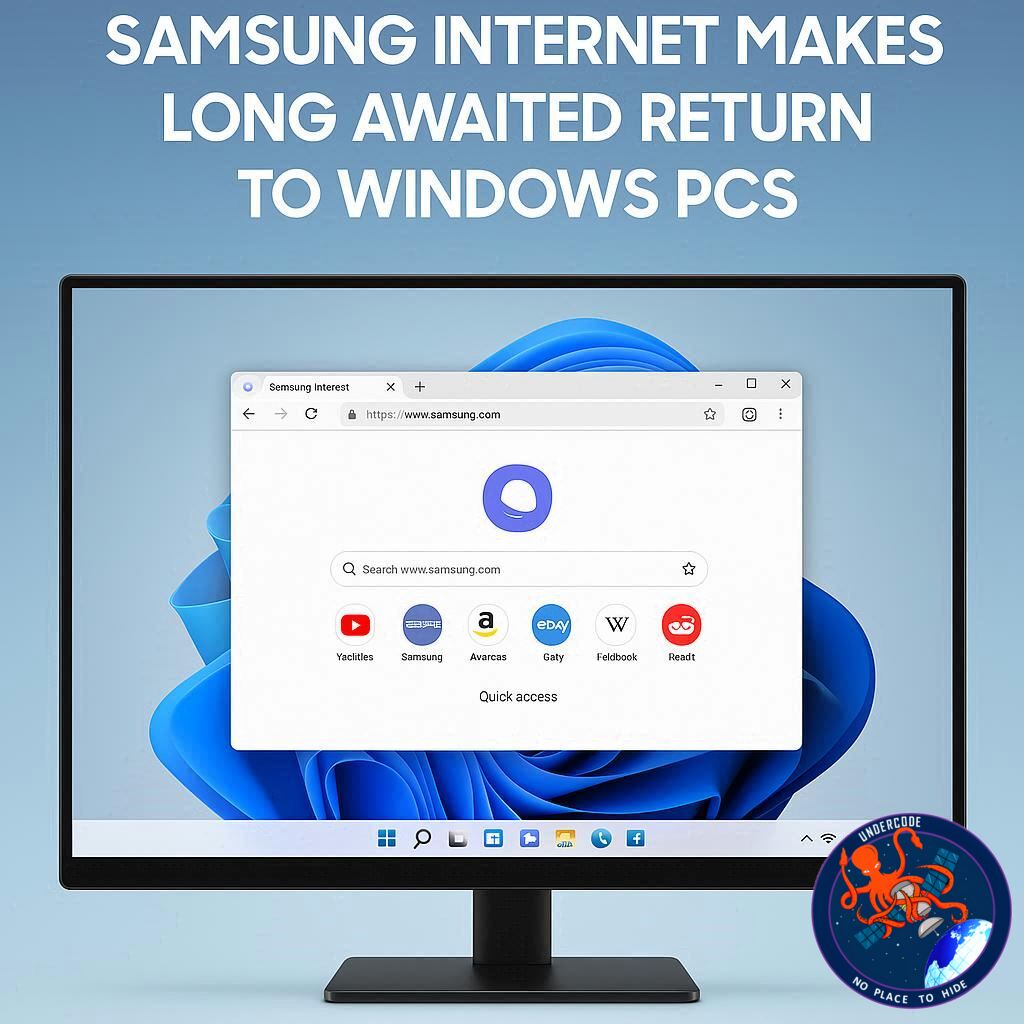
Samsung Internet, the popular mobile browser that has long been a staple for Galaxy users, is officially returning to Windows PCs—13 years after its initial debut on smartphones. Following a brief, limited release in late 2023, Samsung has confirmed that the PC version will launch in beta starting October 30, 2025, initially targeting users in Korea and the United States. This move brings one of Android’s most feature-rich browsers to desktop users, promising a seamless, privacy-focused browsing experience.
For Windows users, this is more than just another browser option. Samsung Internet on PC supports Windows 11 and Windows 10 version 1809 or later, including ARM-powered devices, and is not limited to Samsung’s own Galaxy Book series. Much like its mobile counterpart, it offers cross-device functionality, allowing users to continue browsing on their phone or PC without losing their place.
The PC version mirrors many mobile features, including Smart Anti-Tracking, which blocks cookies and trackers, and a Privacy Dashboard that provides a daily overview of trackers stopped. Samsung is also integrating Galaxy AI with Browsing Assist to summarize and translate web pages in multiple languages, a feature that enhances productivity and accessibility for international users.
Data synchronization between Windows and Android devices is a key highlight. Bookmarks, browsing history, and login credentials stored in Samsung Pass can now travel seamlessly between platforms, hinting at a broader Windows rollout for Samsung Pass beyond Galaxy Books. Users can also expect support for extensions, ad blockers, secret/incognito mode, dark mode, and reader mode, ensuring a modern browsing experience comparable to leading competitors.
The beta program for Samsung Internet on PC is already open, and once it exits beta, it is expected to be available via the Microsoft Store. Samsung’s move to bring its mobile browser to Windows is an ambitious attempt to bridge mobile and desktop ecosystems while emphasizing privacy, AI-driven tools, and cross-platform continuity.
What Undercode Say:
Samsung’s decision to bring Internet to Windows PCs demonstrates a calculated expansion of its ecosystem, a strategy often overlooked outside of Apple and Microsoft. While browsers like Chrome, Edge, and Firefox dominate desktop usage, Samsung is leveraging unique features like Galaxy AI integration and cross-device synchronization to differentiate itself. Unlike traditional browsers, this is not just about speed or minimalism—it’s about creating a seamless, privacy-conscious experience that ties into a larger ecosystem of devices.
From a technical standpoint, support for ARM-powered devices and Windows 10 1809+ ensures that Samsung is targeting both older and modern systems, broadening potential adoption. By not restricting the browser to Galaxy Books, Samsung is signaling that its software ecosystem is meant to extend beyond hardware, which could help it attract users who otherwise might not engage with Samsung devices.
The integration of AI-driven browsing tools could redefine how users interact with content. Automatic summarization and translation will likely appeal to researchers, students, and multilingual users who often juggle information across devices. Meanwhile, syncing bookmarks and passwords via Samsung Pass mirrors the approach of Apple’s iCloud Keychain, creating a compelling reason for users to adopt Samsung’s ecosystem even if they are not using Samsung hardware exclusively.
Privacy is another focal point. Smart Anti-Tracking and the Privacy Dashboard position Samsung Internet as a browser for users concerned with data collection, a growing segment in 2025. If executed well, these features could help Samsung carve out a niche for itself, appealing to users who feel underserved by traditional browsers in terms of transparency and user control.
In the long run, this move may also set the stage for more expansive services, such as fully integrated productivity tools or a more robust Samsung Pass presence on Windows. By focusing on both functionality and cross-platform harmony, Samsung Internet could challenge conventional desktop browser paradigms, especially for users who regularly switch between mobile and desktop environments.
From a market perspective, timing is critical. With Windows users increasingly looking for privacy-focused alternatives and AI-powered browsing, Samsung is positioning itself to capitalize on emerging trends. The early beta launch in Korea and the U.S. will allow the company to gather critical feedback, refine performance, and potentially tweak AI integration before a broader rollout.
However, the challenge remains in convincing users to adopt a new browser in an ecosystem dominated by Chrome, Edge, and Firefox. Samsung will need to demonstrate clear advantages—beyond mere familiarity with Galaxy devices—to achieve meaningful penetration. Marketing campaigns emphasizing AI-assisted browsing, privacy tools, and seamless device integration could be crucial in overcoming adoption hurdles.
The inclusion of features like dark mode, reader mode, and ad blockers ensures that Samsung Internet is not just innovative but also practical for everyday users. This balance of cutting-edge functionality and usability is critical to establishing trust and loyalty, particularly among users who might initially view the browser as a niche product.
Ultimately, Samsung’s approach signals an evolution in the way software ecosystems interact. By bridging mobile and desktop in a way that emphasizes privacy, AI, and cross-device continuity, Samsung Internet for Windows represents more than just a browser—it’s a glimpse into a future where software experience is device-agnostic, intelligent, and secure.
Fact Checker Results:
✅ Samsung Internet beta for Windows launches October 30, 2025, initially in Korea and the U.S.
✅ Supports Windows 10 version 1809+, Windows 11, and ARM-powered devices.
❌ No confirmed timeline for global rollout beyond the initial beta.
Prediction:
Samsung Internet’s integration of AI features and cross-device sync could position it as a strong contender in the desktop browser market. 🌐 Users focused on privacy and seamless mobile-to-PC continuity may adopt it faster than expected. By mid-2026, we could see Samsung Internet carving a dedicated niche among tech-savvy users who prioritize AI-driven browsing and secure, unified ecosystems.
🕵️📝✔️Let’s dive deep and fact‑check.
References:
Reported By: www.sammobile.com
Extra Source Hub (Possible Sources for article):
https://www.facebook.com
Wikipedia
OpenAi & Undercode AI
Image Source:
Unsplash
Undercode AI DI v2
Bing
🔐JOIN OUR CYBER WORLD [ CVE News • HackMonitor • UndercodeNews ]
📢 Follow UndercodeNews & Stay Tuned:
𝕏 formerly Twitter 🐦 | @ Threads | 🔗 Linkedin | 🦋BlueSky | 🐘Mastodon


