
Listen to this Post
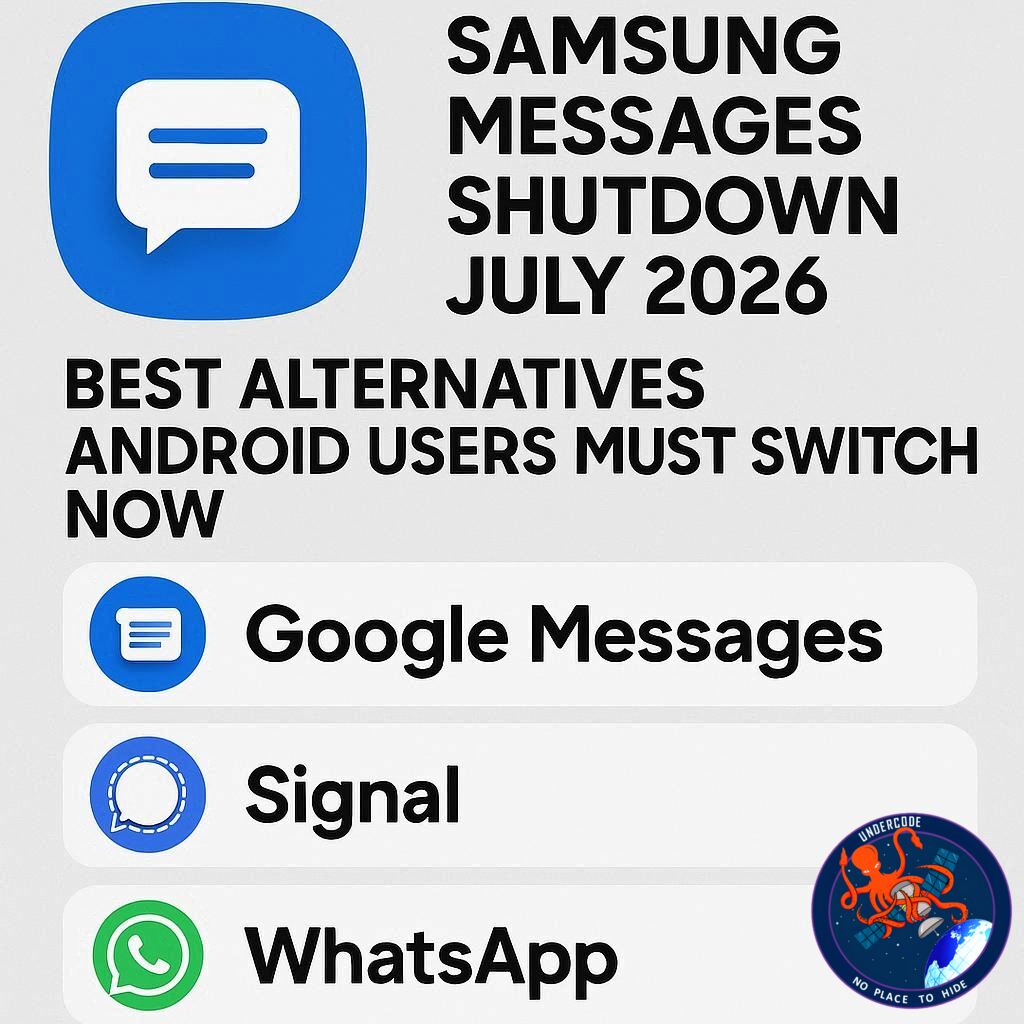
A Sudden Shift in Samsung’s Messaging Strategy
Samsung is preparing to shut down its native messaging app in July 2026, marking a significant transition for millions of users across the United States. This decision primarily affects devices running Android 12 or newer, leaving users with only a short window to adapt to a new communication platform. While older Android versions remain unaffected for now, the move signals a broader shift toward standardized messaging ecosystems. As Samsung phases out its in-house solution, users are being nudged toward more modern, feature-rich messaging apps that better align with today’s communication demands.
Samsung’s Messaging App Shutdown and Alternatives
Samsung’s decision to discontinue its messaging service has sparked concern among users who rely on it for daily communication. The shutdown is officially scheduled for July, giving users limited time to migrate their conversations and adjust to a new platform. Notably, this change currently impacts only users in the United States, specifically those operating devices on Android 12 or newer. Those using Android 11 or earlier will not face immediate disruption, although future changes cannot be ruled out.
To ease the transition, Samsung is actively recommending alternatives, with Google Messages leading the list. This app has become a natural successor due to its deep integration with Android and support for RCS (Rich Communication Services), offering features such as read receipts, typing indicators, Wi-Fi messaging, high-quality media sharing, and end-to-end encryption. It represents a modern evolution beyond traditional SMS.
Another major contender is WhatsApp, a globally dominant messaging platform boasting billions of users. Its versatility extends beyond text messaging, enabling voice calls, video chats, and advanced features like disappearing messages, chat locking, and multi-device syncing. Its widespread adoption makes it a reliable option for international communication.
Facebook Messenger also remains relevant, especially for users deeply embedded in the Facebook ecosystem. Its unique advantage lies in allowing communication without requiring a phone number, relying instead on social connections. It supports voice calls, group chats, media sharing, and encrypted conversations, making it a flexible option despite concerns around the broader Facebook platform.
For power users, Telegram offers an extensive set of features unmatched by most competitors. Its cloud-based synchronization allows seamless messaging across multiple devices, while supporting massive group chats and large file transfers. However, its lack of default end-to-end encryption raises security concerns for privacy-focused users.
Finally, Signal stands out as the most secure option available. Built on the open-source Signal Protocol, it ensures end-to-end encryption for all communications by default. With minimal data collection and advanced privacy controls, Signal is widely regarded as the gold standard for secure messaging.
Overall, Samsung’s exit from the messaging app space may initially disrupt users, but it ultimately opens the door to more advanced and versatile communication platforms.
What Undercode Say:
The Strategic Exit That Signals a Bigger Industry Shift
Samsung’s decision to kill its messaging app is not just a product-level change, it reflects a deeper strategic realignment within the Android ecosystem. For years, fragmentation has been Android’s biggest weakness. Multiple manufacturers offering their own messaging platforms created inconsistency, confusion, and compatibility issues. By stepping back, Samsung is effectively conceding control to a more unified standard, primarily driven by Google.
Google’s Quiet Domination Through RCS Adoption
The recommendation of Google Messages is not accidental. Google has been aggressively pushing RCS as the successor to SMS, aiming to match or even surpass Apple’s iMessage experience. Samsung stepping aside accelerates this vision. This move consolidates messaging under a single, standardized protocol, reducing fragmentation and improving interoperability between Android devices.
User Experience Over Brand Loyalty
Historically, Samsung attempted to build its own ecosystem, from apps to services. However, user behavior has shifted dramatically. Modern users prioritize convenience, cross-platform functionality, and feature richness over brand-specific tools. Apps like WhatsApp and Telegram dominate because they are platform-agnostic, not tied to any single manufacturer. Samsung likely recognized that maintaining a redundant messaging app no longer adds value.
Privacy vs Features: A Growing Divide
The alternatives highlighted reveal a clear divide in user priorities. Signal emphasizes privacy above all else, appealing to users concerned about surveillance and data collection. Telegram focuses on flexibility and features, attracting power users who value customization and scale. WhatsApp balances both but remains tied to Meta’s data ecosystem, raising ongoing privacy debates. This fragmentation suggests that no single app fully satisfies all user needs.
The Hidden Cost of Transition for Users
While the shift offers better options, it is not without friction. Users must migrate conversations, rebuild contact habits, and adapt to new interfaces. For less tech-savvy individuals, this change may feel forced rather than beneficial. Samsung’s limited timeline adds pressure, making the transition more disruptive than necessary.
Market Consolidation and the End of Redundant Apps
This move could signal the beginning of a broader trend where hardware manufacturers abandon proprietary apps in favor of standardized solutions. Maintaining independent apps requires continuous updates, security patches, and feature development. If these apps fail to compete with global platforms, they become liabilities rather than assets.
The Real Winner: Platform Ecosystems
Ultimately, the biggest winners are platform ecosystems, not individual brands. Google strengthens its control over Android communication, Meta continues to dominate global messaging through WhatsApp and Messenger, and niche players like Signal and Telegram carve out specialized audiences. Samsung’s withdrawal simplifies the battlefield but also reduces competition at the device level.
A Subtle Push Toward Cloud-Based Communication
Most recommended alternatives rely heavily on cloud infrastructure rather than traditional carrier-based messaging. This shift reduces dependence on telecom providers and moves communication further into the domain of internet-based services. It also enables richer features, but at the cost of increased reliance on centralized platforms.
Fact Checker Results
✅ Samsung is officially ending its messaging app support in July 2026 for certain users
✅ Android 12+ users in the US are the primary group affected by this change
❌ Telegram does not enable end-to-end encryption by default for all chats
Prediction
📊 Messaging ecosystems will consolidate further, with fewer but more dominant apps controlling global communication
📊 RCS adoption will accelerate, potentially closing the gap between Android and Apple messaging experiences
📊 Privacy-focused apps like Signal will gain steady growth as users become more aware of data security concerns
▶️ Related Video (80% Match):
🕵️📝✔️Let’s dive deep and fact‑check.
References:
Reported By: www.zdnet.com
Extra Source Hub (Possible Sources for article):
https://www.digitaltrends.com
Wikipedia
OpenAi & Undercode AI
Image Source:
Unsplash
Undercode AI DI v2
Bing
🔐JOIN OUR CYBER WORLD [ CVE News • HackMonitor • UndercodeNews ]
📢 Follow UndercodeNews & Stay Tuned:
𝕏 formerly Twitter 🐦 | @ Threads | 🔗 Linkedin | 🦋BlueSky | 🐘Mastodon


