
Listen to this Post
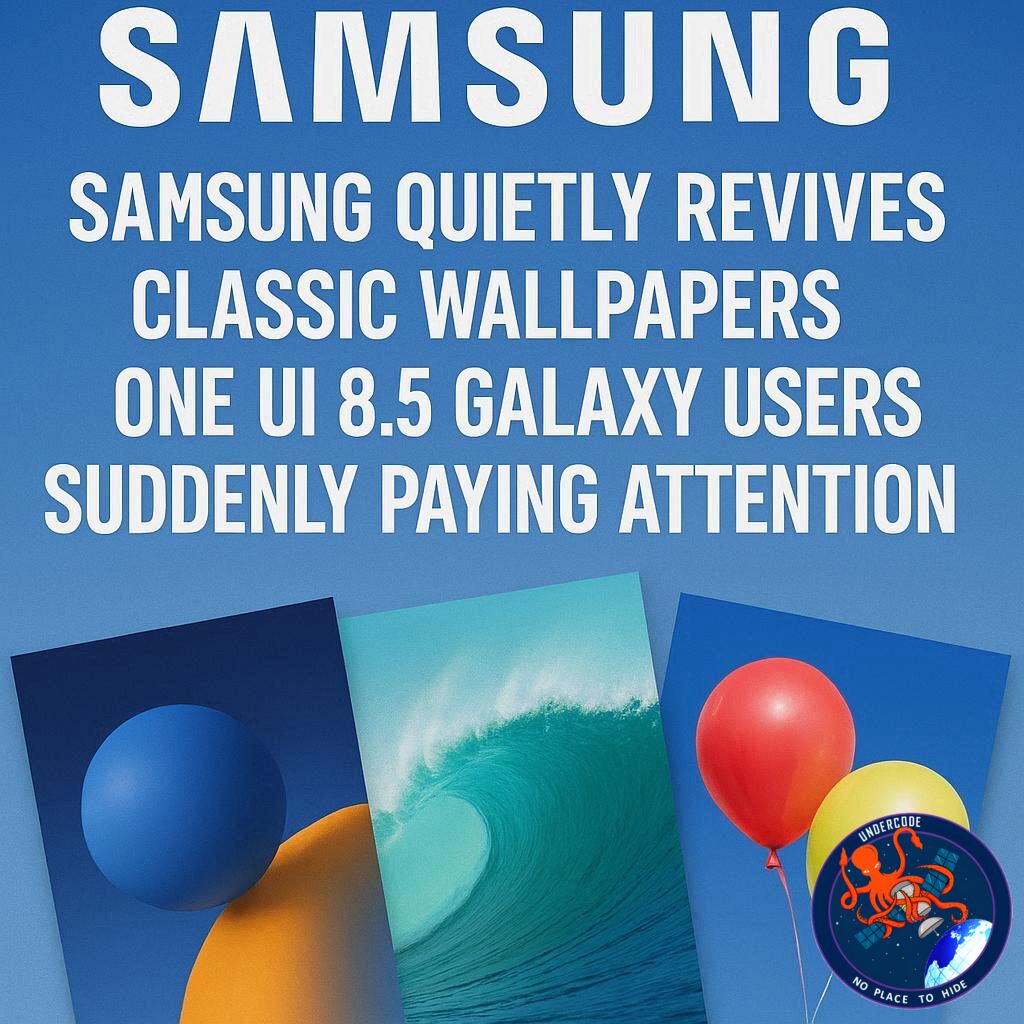 Samsung’s Overlooked One UI 8.5 Feature Is Bringing Old Wallpapers Back to Life
While most Galaxy users focused on performance upgrades and AI-powered tools inside Samsung’s latest One UI 8.5 update, another feature quietly slipped under the radar. This time, it is not about faster animations, improved battery life, or new camera tricks. Instead, Samsung has unexpectedly refreshed one of the oldest customization elements in its software ecosystem: wallpapers.
The new update, now reaching more Galaxy devices including the Samsung Galaxy S24+, introduces a redesigned collection of downloadable and interactive wallpapers that trace their roots back to One UI 5.0. At first glance, the wallpaper section may appear mostly unchanged, but users digging deeper are discovering subtle visual upgrades that make the lock screen feel more alive than before.
Samsung’s updated “Graphical” wallpaper collection now includes enhanced animations, motion effects, tap interactions, and two entirely new designs. More importantly, these wallpapers are no longer permanently stored on devices. Instead, users can selectively download or remove them whenever they want, giving Galaxy owners more control over storage space.
The change may sound small in comparison to headline-grabbing AI features, but it reflects a broader shift in how smartphone companies are approaching personalization. Samsung appears to be transforming wallpapers from static background images into interactive visual experiences.
Old Graphical Wallpapers Return With Interactive Animations
Samsung originally introduced the Graphical wallpaper category several years ago with One UI 5.0. Those designs included artistic scenes and abstract visuals that helped distinguish Galaxy devices from competitors. However, in One UI 8.5, Samsung has redesigned the entire concept.
The wallpapers now react to user interactions. Some designs move with the phone’s gyroscope and motion sensors, creating a parallax effect that changes perspective as users tilt their devices. Others respond directly to screen taps with animated elements.
One of the most recognizable examples is the old tennis court wallpaper. Previously a static image, it now includes an animated tennis ball that bounces when users tap the lock screen. Samsung also introduced a new basketball-inspired wallpaper using the same interaction system.
These effects are limited to the lock screen only. On the home screen, the wallpapers remain static to reduce distractions and preserve battery efficiency.
Samsung also made a practical change behind the scenes. Since animated wallpapers consume more storage than still images, the company removed them from the default pre-installed package. Users now choose which wallpapers to download manually, and they can uninstall them later if desired.
To access the wallpapers, users can navigate through:
Home Screen → Wallpaper and Style → Change Wallpapers → Graphical.
Although hidden behind a few menus, the feature is already attracting attention from customization enthusiasts who missed Samsung’s earlier artistic wallpaper designs.
Samsung’s Personalization Strategy Is Becoming More Aggressive
The timing of this wallpaper refresh is not accidental. Smartphone manufacturers are increasingly competing through user experience rather than raw hardware alone. Most flagship devices already offer excellent displays, strong processors, and capable cameras. That means software identity has become one of the few remaining battlegrounds.
Samsung appears to understand this shift better than many competitors.
The company has spent the last several years refining One UI into one of Android’s most visually polished ecosystems. From lock screen widgets to Galaxy AI integrations, Samsung is steadily transforming its software into a platform designed around customization and emotional attachment.
Interactive wallpapers fit perfectly into that philosophy. They make devices feel dynamic and personal rather than generic slabs of glass.
Apple has taken similar steps with iOS through animated lock screens and depth-effect wallpapers, while Chinese brands such as Xiaomi and Oppo continue experimenting with live themes and animated interfaces. Samsung’s new approach suggests the company does not want to fall behind in the personalization race.
What makes Samsung’s implementation interesting is the balance between aesthetics and practicality. By making animated wallpapers optional downloads instead of mandatory assets, the company avoids bloating device storage while still offering richer customization for users who want it.
This modular design strategy could eventually expand beyond wallpapers into themes, lock screen packs, animations, and AI-generated visual experiences.
AI Features and Wallpapers Are Quietly Merging
Another important detail inside One UI 8.5 is Samsung’s AI-backed Creative Studio feature. While wallpapers and AI tools currently appear as separate systems, the long-term direction seems obvious.
Future Galaxy devices may generate fully personalized wallpapers in real time using AI models trained around user behavior, color preferences, interests, or even weather conditions. Instead of choosing from a fixed gallery, users could eventually receive dynamic lock screens generated uniquely for them.
Samsung has already laid the groundwork through Galaxy AI integrations across translation, photography, and productivity tools. Interactive wallpapers may simply be an early step toward a broader AI-powered personalization ecosystem.
That could become especially important as foldable phones and larger displays continue growing in popularity. Rich animated visuals help showcase OLED screens more effectively and make premium hardware feel more immersive.
Why Samsung’s Wallpaper Update Matters More Than It Seems
At first glance, wallpaper upgrades sound insignificant compared to major firmware changes. However, personalization plays a surprisingly powerful role in user satisfaction and brand loyalty.
People interact with their lock screen dozens — sometimes hundreds — of times every day. Small visual experiences accumulate over time and shape how premium a device feels.
Samsung’s decision to revisit wallpapers from One UI 5.0 also taps into nostalgia. Many long-term Galaxy users remember those designs, and bringing them back with modern interactive upgrades creates familiarity while still feeling fresh.
It is also another sign that Samsung is paying attention to details often ignored in Android development. While many smartphone makers overload software with gimmicks, Samsung increasingly focuses on refining small user-facing experiences that subtly improve day-to-day interaction.
The update may not dominate headlines, but it demonstrates how modern smartphone competition is evolving. In 2026, winning users is no longer just about benchmarks or megapixels. It is about creating devices that feel alive, responsive, and uniquely personal.
What Undercode Says:
Samsung Is Turning Software Personality Into a Competitive Weapon
Samsung’s new interactive wallpapers reveal something much larger happening behind the scenes. The company is no longer treating One UI as just an Android skin. It is becoming a full identity platform designed to emotionally connect users to Galaxy devices.
This strategy matters because smartphone hardware innovation is slowing down. Modern flagship phones already deliver extremely fast performance, excellent cameras, and premium displays. Consumers are keeping devices longer, which means software engagement is becoming the real loyalty driver.
Interactive wallpapers are psychologically effective because they create micro-interactions. Every tap, movement, or animation reinforces the feeling that the device is responding personally to the user. That emotional feedback loop keeps interfaces feeling fresh even when hardware changes are minimal.
Samsung also understands that customization culture remains extremely strong within Android communities. Unlike Apple’s tightly controlled ecosystem, Android users often expect deep personalization. By modernizing old wallpapers instead of discarding them, Samsung combines nostalgia with innovation — a smart branding move.
There is another hidden advantage here: ecosystem retention.
Once users invest time customizing lock screens, themes, wallpapers, widgets, and AI-generated layouts, switching ecosystems becomes psychologically harder. The phone begins feeling uniquely “theirs,” which strengthens attachment to Samsung’s software environment.
The optional download system is equally strategic. Samsung reduces unnecessary storage usage while collecting data about which wallpapers users actually prefer. That information can later influence AI-generated personalization systems and future design trends.
This update also signals how Samsung may eventually monetize personalization without directly charging users. Future premium wallpaper packs, animated themes, exclusive collaborations, or AI-generated design subscriptions could easily become part of Galaxy’s ecosystem strategy.
Another important angle is battery optimization. Historically, animated wallpapers were criticized for draining battery life. Samsung limiting interactions mainly to the lock screen shows the company is trying to preserve visual richness without sacrificing efficiency. That balance is essential because modern users expect premium aesthetics without performance compromises.
The feature also quietly showcases Samsung’s hardware strengths. Motion-based parallax effects highlight the responsiveness of Galaxy sensors and OLED displays. In other words, the wallpapers double as subtle hardware demonstrations.
Competition in mobile software is becoming increasingly visual and experiential. Apple emphasizes elegance and fluidity. Chinese brands focus on flashy effects and aggressive customization. Samsung appears to be positioning itself in the middle — polished enough for mainstream users but customizable enough for Android enthusiasts.
Looking ahead, AI-generated personalization will likely become one of the biggest software trends of the next five years. Samsung already has the infrastructure to lead in this category through Galaxy AI. Wallpapers are simply one of the safest and easiest entry points for testing interactive AI experiences.
The bigger story is not wallpapers themselves. The bigger story is Samsung preparing users for a future where smartphones constantly adapt visually and behaviorally in real time.
That future includes:
AI-generated lock screens
Context-aware animations
Weather-reactive themes
Mood-based color palettes
Dynamic ambient interfaces
Personalized motion effects
Smart display adaptation based on time or usage habits
Samsung’s One UI 8.5 update quietly hints at all of those possibilities.
The average user may only see bouncing tennis balls and animated basketballs today. But strategically, Samsung is building the foundation for something much larger: software that behaves more like a living digital environment rather than a static operating system.
🔍 Fact Checker Results
✅ Interactive Wallpapers Are Real Features in One UI 8.5
Samsung genuinely added interactive lock screen wallpapers with motion and tap-based animations inside One UI 8.5 according to early user reports and firmware observations.
✅ Wallpapers Are Optional Downloads Now
The updated Graphical wallpapers are no longer permanently pre-installed and can be downloaded or removed manually to save storage space.
❌ No Evidence Yet of Full AI-Generated Wallpapers
Although Samsung introduced AI-backed Creative Studio tools, there is currently no official confirmation that One UI 8.5 supports fully AI-generated adaptive wallpapers in real time.
📊 Prediction
Samsung’s Next Galaxy Updates Will Push Personalization Much Further
Interactive wallpapers are likely just the beginning. Samsung will probably expand One UI into a heavily AI-personalized interface system over the next two years. Future Galaxy devices could automatically generate lock screens, animations, widgets, and visual themes based on user habits, environment, and even emotional patterns detected through usage behavior.
As AI competition intensifies between Samsung, Apple, Google, and Chinese smartphone brands, personalization may become one of the biggest selling points in the premium smartphone market.
🕵️📝Let’s dive deep and fact‑check.
References:
Reported By: www.sammobile.com
Extra Source Hub (Possible Sources for article):
https://www.digitaltrends.com
Wikipedia
OpenAi & Undercode AI
Image Source:
Unsplash
Undercode AI DI v2
Bing
🔐JOIN OUR CYBER WORLD [ CVE News • HackMonitor • UndercodeNews ]
📢 Follow UndercodeNews & Stay Tuned:
𝕏 formerly Twitter 🐦 | @ Threads | 🔗 Linkedin | 🦋BlueSky | 🐘Mastodon


