Listen to this Post
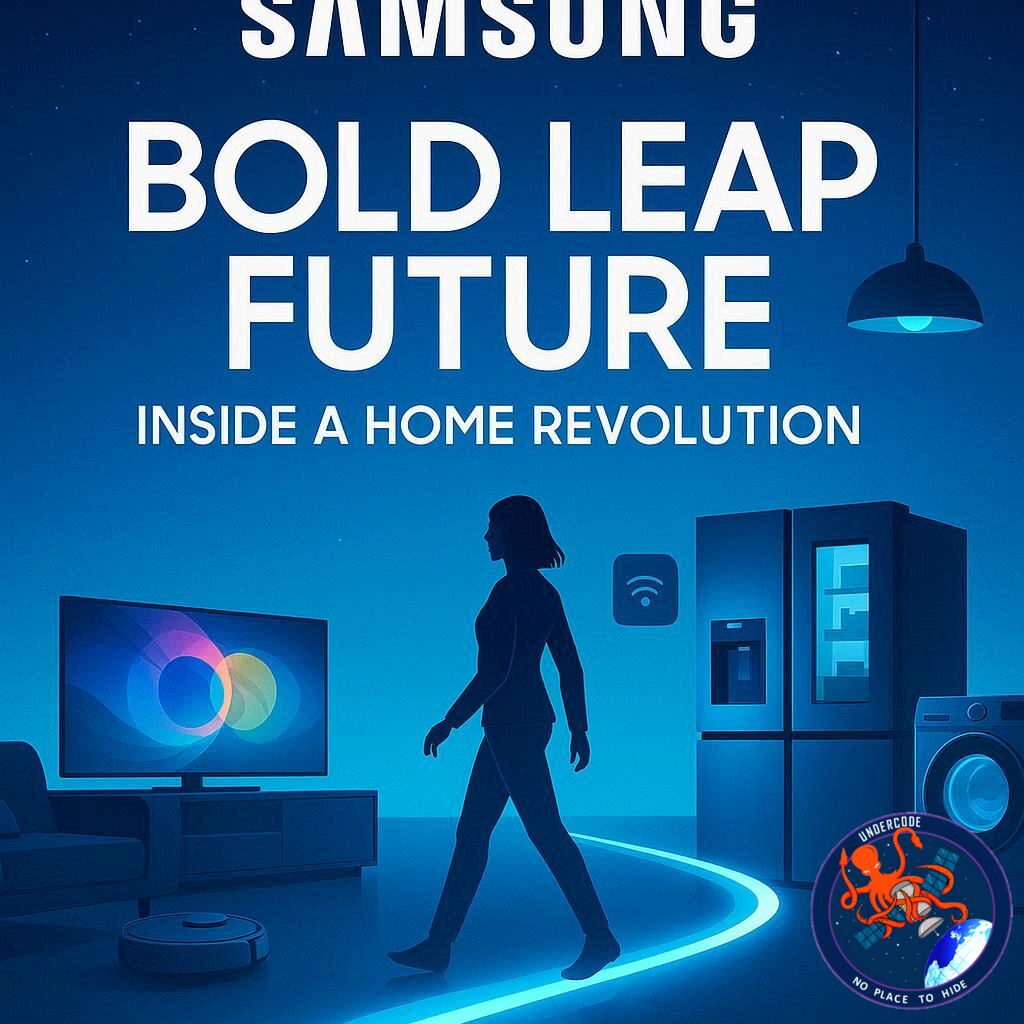
The Dawn of a Smarter Lifestyle
Samsung has taken a decisive step toward reshaping the way people live by introducing “AI Home: Future Living, Now” at its flagship BKC store in Mumbai. This ambitious ecosystem is not just about futuristic gadgets; it’s a carefully designed network that unites appliances, devices, and services to create a seamless lifestyle powered by personalization, energy efficiency, and enhanced security. At its core lies the principle of ambient intelligence — a home that senses, learns, and adapts to its inhabitants.
Imagine walking into a house where the lights switch on automatically as you step in, the air conditioner adjusts itself based on your sleep patterns, and your fridge recommends meals aligned with your health goals. This is the everyday reality Samsung wants to deliver. The brand emphasizes three foundational strengths driving this vision: its global leadership in artificial intelligence, its unmatched range of devices, and the trust built through a secure ecosystem.
Samsung’s integration of Galaxy AI, Vision AI, and Bespoke AI through the SmartThings ecosystem is not just about convenience but also about reshaping lifestyles. According to JB Park, President and CEO of Samsung Southwest Asia, India will play a central role in developing these innovations, with its R&D hubs contributing significantly to the global roadmap. This move underlines the brand’s commitment to embedding meaningful and safe technologies into millions of homes.
Four Pillars Defining AI Home
The AI Home isn’t simply a collection of devices — it’s structured around four central pillars:
Ease
Daily routines become automated, from lighting to temperature adjustments, creating an invisible personal assistant that anticipates needs.
Care
Wellbeing takes center stage, with tools for better sleep, meal planning tailored to nutrition goals, and even care features for pets.
Save
SmartThings Energy ensures tangible savings, with washing machine power consumption cut by up to 70%, offering both economic and environmental benefits.
Secure
Security is non-negotiable. With Samsung Knox Vault providing hardware-level data protection and Knox Matrix employing blockchain-based security, users are assured of a safe ecosystem.
A Unified Ecosystem in Action
AI Home seamlessly merges different categories of innovation. Galaxy AI boosts productivity and health monitoring on smartphones and wearables. Vision AI makes TVs more interactive with natural language understanding and smart recommendations. Bespoke AI enhances home appliances, turning chores into near-effortless tasks. All of this is integrated into the SmartThings app, serving as the central hub that connects Samsung devices and thousands of third-party products under a single interface.
What Undercode Say:
Samsung’s unveiling of AI Home is not merely a product showcase; it’s a strategic statement. The company is cementing its place in the AI-driven home automation race, aiming to set itself apart from competitors like Apple’s HomeKit, Amazon Alexa, and Google Home. What stands out is Samsung’s hardware depth — refrigerators, washing machines, televisions, smartphones, and wearables — something rivals struggle to match at the same scale. This hardware foundation makes its AI ecosystem less fragmented and more practical.
One crucial aspect is ambient intelligence, which represents the next frontier of smart living. Unlike traditional automation where users issue commands, ambient intelligence anticipates needs. This proactive approach is key to making homes feel truly “alive.” Samsung is betting big on this, and it aligns with broader global trends in smart living.
Another highlight is the focus on India. By placing its R&D hubs in the spotlight, Samsung is not only recognizing India as a major consumer market but also as a creator of global innovations. This dual role could accelerate adoption, particularly as India’s middle class grows more tech-savvy.
From a sustainability standpoint, the energy savings dimension is worth dissecting. A 70% reduction in washing machine consumption is not just a marketing point — if scaled, it could redefine energy management across households. Combined with SmartThings Energy, Samsung is appealing to eco-conscious consumers and governments pushing green policies.
However, challenges remain. The complexity of integration across devices and services may overwhelm average users. Simplicity will determine adoption rates. While Samsung highlights security via Knox Vault and blockchain-based Knox Matrix, public perception of data privacy in AI-driven environments is still fragile. Samsung must ensure transparency to build trust.
The competitive landscape cannot be ignored. Google, Amazon, and Apple already dominate AI voice assistants and smart hubs. Samsung’s strength lies in appliances, but the success of AI Home depends on whether consumers are willing to buy into a Samsung-only ecosystem or demand broader interoperability.
Looking deeper, Samsung is positioning AI Home as a lifestyle brand shift, not just a tech product launch. The narrative is about homes becoming partners in daily living — spaces that nurture, protect, and optimize human existence. This framing could resonate strongly in cultures where family and home play central roles.
In essence, Samsung’s AI Home is a bold attempt to merge innovation, sustainability, and security into a single narrative. It’s a bet on the belief that the future home is not just smart, but empathetic, proactive, and deeply personal. Whether consumers embrace this fully or see it as futuristic overreach remains to be seen, but the ambition is undeniable.
Fact Checker Results
✅ Samsung has officially launched AI Home at the BKC store in Mumbai.
✅ Features include Galaxy AI, Vision AI, Bespoke AI, and SmartThings integration.
❌ Real-world adoption and consumer trust levels remain unproven at scale.
Prediction
Samsung’s AI Home will initially appeal to early adopters and premium users in India’s urban centers. As costs decline and integration becomes simpler, wider adoption will follow, especially with the government’s push for smart energy solutions. Over the next five years, expect Samsung to evolve AI Home into a standard for connected living, forcing rivals to rethink their fragmented ecosystems.
🕵️📝✔️Let’s dive deep and fact‑check.
References:
Reported By: timesofindia.indiatimes.com
Extra Source Hub:
https://www.instagram.com
Wikipedia
OpenAi & Undercode AI
Image Source:
Unsplash
Undercode AI DI v2
🔐JOIN OUR CYBER WORLD [ CVE News • HackMonitor • UndercodeNews ]
📢 Follow UndercodeNews & Stay Tuned:
𝕏 formerly Twitter 🐦 | @ Threads | 🔗 Linkedin | 🦋BlueSky | 🐘Mastodon