
Listen to this Post
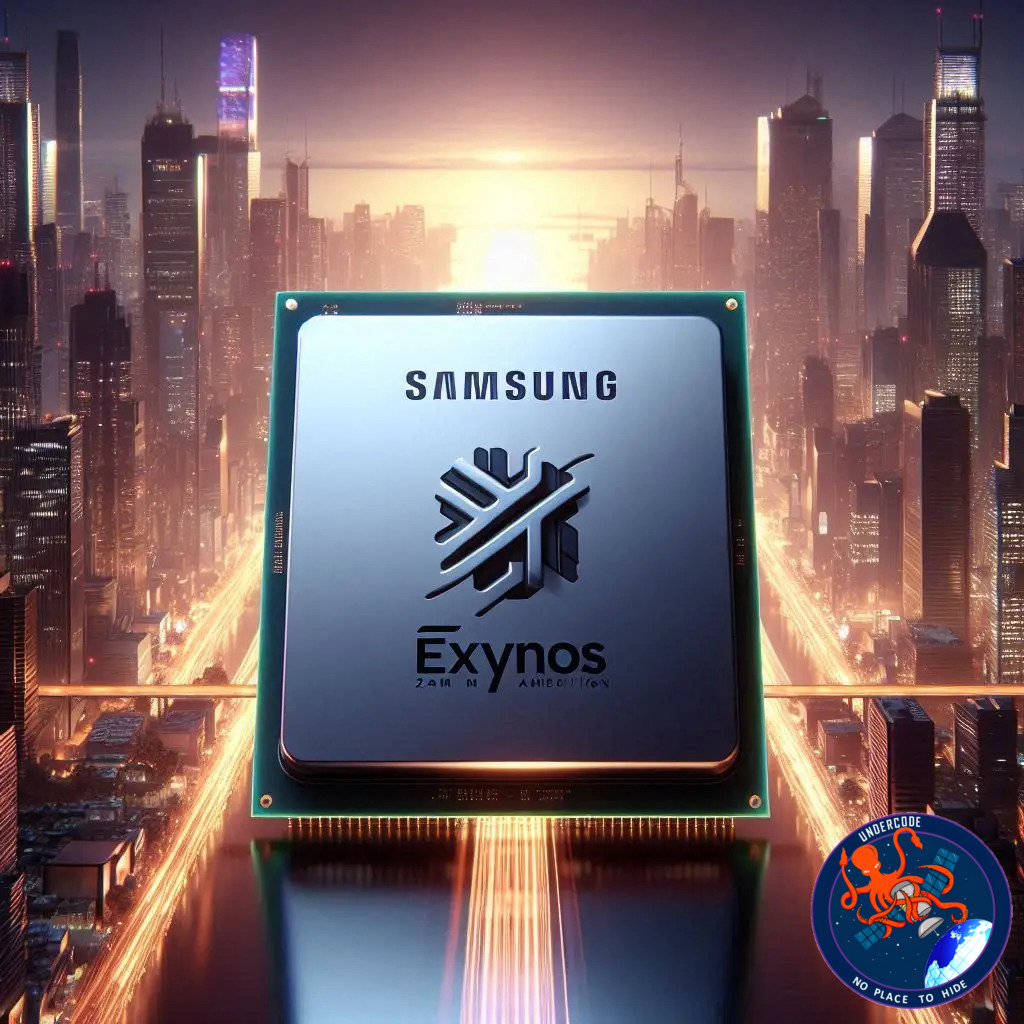
Introduction: A Quiet Chip With Loud Consequences
Samsung rarely moves quietly when it comes to silicon, yet the Exynos 2600 feels different. There is no theatrical launch, no extravagant keynote, and no overconfident promises echoing across marketing slides. Instead, the story arrives through technical disclosures, engineering breadcrumbs, and a subtle confirmation that something fundamental has changed.
This is not just another yearly SoC refresh. The Exynos 2600 represents a structural shift in how Samsung designs, controls, and scales its mobile performance future. Built on a 2nm process, powered by an RDNA4-based GPU, and stripped of an integrated modem, it signals a philosophical reset. Performance, efficiency, and architectural independence are now the center of gravity.
Behind the quiet rollout sits a far louder implication: Samsung is no longer experimenting. It is committing.
the Original Report
A New Flagship With a New Identity
The Exynos 2600 is Samsung’s flagship smartphone chipset for 2026, and it introduces several industry-first milestones. It becomes the world’s first smartphone processor manufactured on a 2nm process node, marking a massive leap in transistor density and efficiency. This alone places Samsung at the cutting edge of semiconductor manufacturing.
Breaking From Tradition
Unlike recent Exynos chips, the Exynos 2600 does not include an integrated cellular modem. This separation hints at a strategic redesign, possibly to improve yields, reduce thermal constraints, or allow more flexible modem sourcing depending on market needs.
RDNA4 Enters Mobile
The most striking change is graphical. The Exynos 2600 features the Xclipse 960 GPU, based on AMD’s RDNA4 architecture. This marks the first time RDNA4 has been used in a smartphone-class chip. According to reports from The Elec, this GPU uses AMD’s MGFX4 architecture, optimized and adapted specifically for Samsung’s mobile needs.
Architectural Improvements
The Xclipse 960 includes eight Work Group Processors, totaling 16 Compute Units. Despite operating at a slightly lower clock speed than its predecessor, it reportedly delivers double the performance of the Xclipse 950 used in the Exynos 2500. Ray tracing performance, in particular, is said to be 50 percent faster.
Efficiency Over Raw Frequency
Rather than pushing clock speeds, Samsung appears to be focusing on architectural efficiency. The new design improves performance per compute unit, allowing meaningful gains without dramatic increases in power draw. This approach aligns with the constraints of modern smartphones, where sustained performance matters more than peak numbers.
A History of RDNA Collaboration
Samsung’s partnership with AMD began in 2019, culminating in the Exynos 2200 and its RDNA2-based GPU. That collaboration continued with the Exynos 2400 and 2500 using MGFX3 architecture. The Exynos 2600 marks the first time Samsung independently developed a GPU based on AMD’s RDNA4 intellectual property.
A Step Toward Independence
The upcoming Exynos 2800 is rumored to go even further, using a fully in-house GPU architecture. This positions the Exynos 2600 as a transitional but critical step toward full silicon autonomy.
Performance Still Under Question
Despite impressive specifications, real-world performance remains untested. Gaming stability, thermal efficiency, and competitive positioning against Apple, Qualcomm, and MediaTek remain open questions. The industry is watching closely.
What Undercode Say:
A Strategic Reset Disguised as a Chip Launch
The Exynos 2600 is not merely a processor. It is a statement of intent. Samsung is no longer chasing competitors through incremental gains. It is rebuilding its silicon identity from the ground up, starting with manufacturing leadership and ending with architectural independence.
2nm Is Not Just a Number
The move to 2nm is less about marketing dominance and more about control. Smaller nodes allow Samsung to fine-tune voltage behavior, thermal envelopes, and sustained workloads. In a mobile world constrained by heat and battery chemistry, this matters more than peak benchmark scores.
RDNA4 Signals Maturity, Not Experimentation
Earlier RDNA integrations felt experimental, sometimes even unstable under pressure. RDNA4, however, represents a matured architecture refined through desktop-class GPUs. Samsung’s ability to reshape it into MGFX4 shows technical confidence rather than dependence.
Performance Per Watt Is the Real Battlefield
Smartphone users no longer care about momentary performance spikes. They care about consistency. Gaming sessions, camera processing, and AI workloads demand sustained throughput. The Exynos 2600 appears designed precisely for that reality.
The Absence of an Integrated Modem Is Strategic
Removing the modem may seem regressive, but it introduces flexibility. Separate modem solutions allow Samsung to optimize thermals, manage yields more effectively, and potentially tailor connectivity solutions per market. This is not a weakness; it is modular design thinking.
A Quiet Challenge to Qualcomm
Qualcomm’s dominance has long rested on predictability and reliability. Samsung’s new direction challenges that dominance not through brute force, but through architectural efficiency and vertical integration. If stability holds, this could reshape flagship Android dynamics.
Apple Looms as the True Benchmark
While comparisons often focus on Android rivals, the real competition remains Apple. Apple’s strength lies in tight hardware-software integration. Samsung’s move toward in-house GPU development mirrors that philosophy, suggesting long-term strategic convergence rather than short-term rivalry.
Gaming Is the Real Test
Ray tracing improvements are not just technical bragging rights. They represent a commitment to console-grade mobile gaming. If thermal stability holds, this could redefine expectations for mobile graphics over the next two years.
Samsung’s Patience Is Paying Off
Years of criticism surrounding Exynos chips may finally give way to redemption. This chip is not designed to impress overnight. It is designed to age well, scale efficiently, and quietly outperform expectations.
A Transitional Giant
The Exynos 2600 is not the final form. It is the bridge. It connects outsourced innovation with internal mastery. What comes next may define Samsung’s silicon identity for the next decade.
Fact Checker Results
✅ Exynos 2600 is built on a 2nm process and uses RDNA4-based GPU architecture.
✅ The GPU offers significant performance and ray tracing improvements over Exynos 2500.
❌ Real-world performance data is not yet publicly verified.
Prediction
🚀 Samsung’s Exynos 2600 will redefine expectations for Android flagship efficiency and GPU stability.
📈 By 2027, Samsung’s in-house GPU roadmap will challenge Qualcomm’s dominance directly.
🔥 If thermal management holds, this chip could quietly become the most balanced mobile SoC of its generation.
🕵️📝✔️Let’s dive deep and fact‑check.
References:
Reported By: www.sammobile.com
Extra Source Hub (Possible Sources for article):
https://www.linkedin.com
Wikipedia
OpenAi & Undercode AI
Image Source:
Unsplash
Undercode AI DI v2
Bing
🔐JOIN OUR CYBER WORLD [ CVE News • HackMonitor • UndercodeNews ]
📢 Follow UndercodeNews & Stay Tuned:
𝕏 formerly Twitter 🐦 | @ Threads | 🔗 Linkedin | 🦋BlueSky | 🐘Mastodon


