
Listen to this Post
Introduction: A Quiet Feature That Sparked a Legal Firestorm
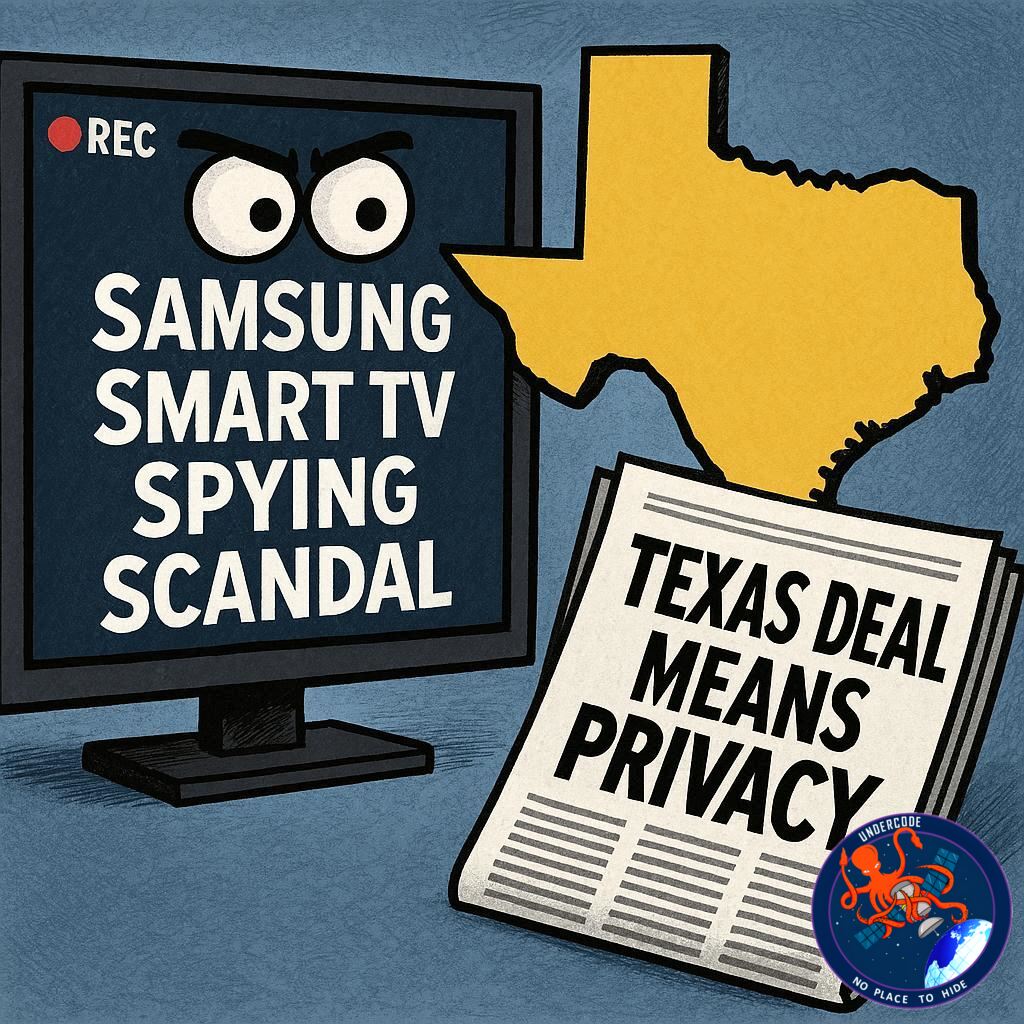
Smart TVs promise convenience, personalization, and smarter entertainment—but behind the scenes, some of those features have raised serious privacy concerns. In Texas, those concerns exploded into a high-profile legal dispute involving Samsung Electronics, one of the world’s largest TV manufacturers. At the center of the controversy was a little-known technology called Automated Content Recognition (ACR), which allegedly collected viewing data without proper user consent. After months of legal pressure, Samsung has now signed a formal agreement with Texas authorities, marking a significant moment in the ongoing debate over smart device surveillance and consumer rights.
the Original Case: How Samsung’s ACR Feature Triggered Legal Action
The legal battle began when the Texas Attorney General accused Samsung and other TV makers of secretly monitoring residents through their smart televisions. According to the allegations, Samsung’s TVs used ACR technology to capture screenshots of whatever appeared on the screen—roughly every 500 milliseconds—while the TV was turned on. This data was then transmitted to Samsung’s servers and third-party partners to improve targeted advertising, even when users had not explicitly agreed to such data collection.
At the time, ACR was reportedly enabled by default, meaning many consumers were unaware their viewing habits were being tracked at such a granular level. Texas courts intervened during the lawsuit, ordering Samsung to temporarily halt the practice while the case proceeded. The controversy drew national attention, as it raised broader questions about consent, transparency, and the true cost of “smart” features in consumer electronics.
Eventually, Texas Attorney General Ken Paxton announced that the state had reached a formal agreement with Samsung. Under the terms, Samsung committed to stopping any collection or processing of ACR data unless users are fully informed and provide explicit consent. The company must also update its smart TVs sold in Texas to include clear disclosures and consent screens explaining how ACR works and what data it collects. This deal makes Samsung one of the first major TV manufacturers to formally comply with such strict requirements, even as other companies named in the lawsuit—such as Sony, TCL, and LG—have yet to reach similar agreements.
What Undercode Say: The Bigger Privacy Reckoning Behind Smart TVs
This agreement is less about one company and more about a turning point for the entire consumer electronics industry. Smart TVs have quietly become one of the most invasive devices in modern homes, often collecting more behavioral data than smartphones—yet receiving far less scrutiny. The Samsung-Texas deal signals that regulators are finally catching up to this reality.
From a legal perspective, the case reinforces a simple but powerful principle: default surveillance is no longer acceptable. Features that collect sensitive behavioral data must be opt-in, not opt-out, and must be explained in plain language rather than buried in dense privacy policies. Samsung’s willingness to sign the agreement suggests the company recognized that continuing the fight could have resulted in harsher penalties and wider regulatory fallout across the U.S.
Economically, this move may reshape how TV manufacturers monetize their products. Targeted advertising driven by ACR data has been a lucrative revenue stream, helping companies offset thin hardware margins. By requiring explicit consent, Texas has effectively reduced the scale of data available for ad targeting, which could push manufacturers to explore alternative revenue models—such as subscription features or higher upfront TV prices.
There is also a competitive dimension. Samsung now gains a reputational advantage by being first to comply, allowing it to position itself as more privacy-conscious than rivals still under scrutiny. For competitors like Sony, TCL, and LG, the pressure is mounting: either follow Samsung’s lead voluntarily or risk similar legal action in other states.
Most importantly, this case highlights a broader shift in consumer awareness. Users are increasingly uncomfortable with devices that watch, listen, or log behavior without clear permission. As smart homes expand—with TVs, speakers, appliances, and cars all connected—the Samsung agreement may serve as a blueprint for how future privacy disputes are resolved: transparency first, consent always.
🔍 Fact Checker Results
✅ Samsung agreed to stop collecting ACR data in Texas without explicit user consent.
✅ ACR technology was designed to capture on-screen content for advertising purposes.
❌ There is no evidence that Samsung admitted wrongdoing as part of the agreement.
📊 Prediction
The Texas agreement is likely to trigger similar regulatory actions in other U.S. states, pushing smart TV makers toward nationwide opt-in standards. Over time, ACR may survive—but only as a clearly disclosed, user-controlled feature rather than a hidden default.
🕵️📝✔️Let’s dive deep and fact‑check.
References:
Reported By: www.sammobile.com
Extra Source Hub (Possible Sources for article):
https://www.quora.com/topic/Technology
Wikipedia
OpenAi & Undercode AI
Image Source:
Unsplash
Undercode AI DI v2
Bing
🔐JOIN OUR CYBER WORLD [ CVE News • HackMonitor • UndercodeNews ]
📢 Follow UndercodeNews & Stay Tuned:
𝕏 formerly Twitter 🐦 | @ Threads | 🔗 Linkedin | 🦋BlueSky | 🐘Mastodon


