
Listen to this Post
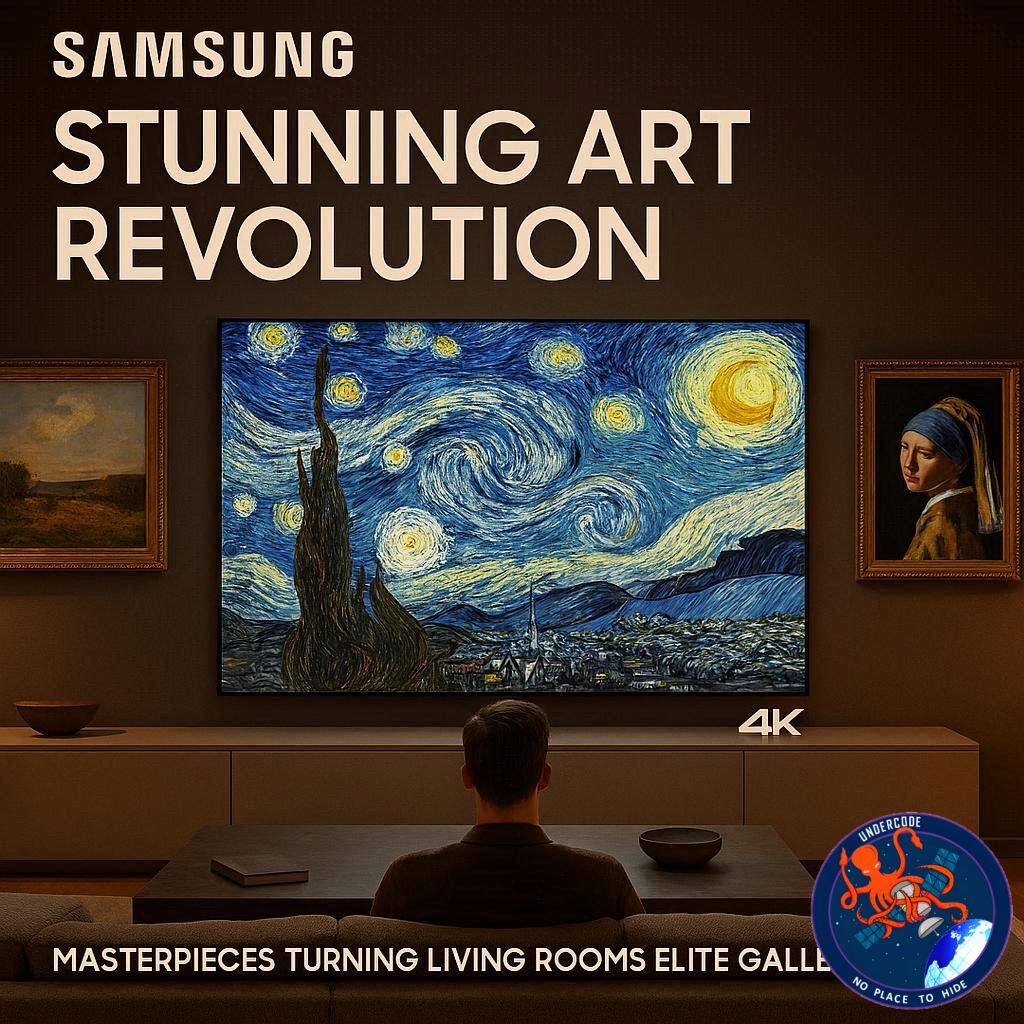
A Bold New Fusion of Technology and Fine Art
Samsung has taken a striking leap into the world of digital art by introducing the Art Basel Hong Kong 2026 collection to its expanding Art Store platform. This move signals more than just another feature update—it represents a growing convergence between high-end display technology and the global art scene. With compatibility now extended across its latest Micro RGB, OLED, and The Frame TV lineups, Samsung is reshaping how consumers experience art in their homes.
Bringing Art Basel Hong Kong 2026 Into Everyday Homes
The newly launched collection features a curated selection of 25 artworks created by 20 contemporary artists showcased at Art Basel Hong Kong 2026. Traditionally an exclusive, high-profile art fair attended by collectors and critics, this exhibition is now accessible to a global audience through Samsung’s digital ecosystem. The artworks are displayed in 4K resolution, ensuring that every detail—from brushstrokes to color gradients—is preserved with remarkable clarity.
Expanding Access Beyond Premium Displays
Samsung’s Art Store was once limited to its premium The Frame TV series, known for blending into interiors like real paintings. However, the company has steadily expanded access, first introducing the platform to Neo QLED TVs and now extending it further to select 2026 OLED models such as the S95H and S99H. This democratization of digital art access is a key step toward making high-quality artistic experiences more mainstream.
The Role of Cutting-Edge Display Technology
The inclusion of Micro RGB, OLED, and The Frame Pro TVs ensures that the artwork is presented with exceptional visual fidelity. These technologies are designed to deliver superior contrast, color accuracy, and brightness levels, which are crucial for replicating the authenticity of physical artwork. Samsung emphasizes that its displays can capture even the subtlest artistic nuances, making digital reproductions feel closer to the real thing than ever before.
A Global Art Event Meets Consumer Technology
Art Basel Hong Kong 2026 is scheduled to take place from March 27 to March 29 at the Hong Kong Convention and Exhibition Centre. The event is one of the most prestigious art fairs in Asia, attracting renowned galleries and artists from around the world. By integrating this exhibition into its Art Store, Samsung effectively bridges the gap between exclusive cultural events and everyday consumer experiences.
Collaboration With Leading Galleries and Institutions
The artworks featured in the collection are presented by eight prominent galleries, each contributing to a diverse and rich selection of contemporary pieces. In addition to these works, Samsung has included 20 pieces from the Lee Kun-Hee Collection, curated by the late chairman of Samsung Electronics. These pieces are showcased in partnership with the National Museum of Korea, adding historical and cultural depth to the collection.
Honoring a Legacy Through Digital Preservation
The inclusion of the Lee Kun-Hee Collection is particularly significant, as it represents one of the most valuable private art collections in South Korea. By digitizing and displaying these works, Samsung not only preserves cultural heritage but also makes it accessible to a broader audience. This initiative reflects a growing trend of using technology to archive and share historically important artworks.
Transforming Living Spaces Into Personal Galleries
Samsung’s vision extends beyond simply displaying art—it aims to transform living rooms into curated gallery spaces. According to Bongjun Ko, Vice President of Samsung’s Visual Display Business, the goal is to enable users to personalize their environments with museum-quality art. This concept redefines the role of televisions, shifting them from passive entertainment devices to active elements of interior design.
The Rise of Digital Art Consumption
The integration of art into smart TVs aligns with a broader shift toward digital art consumption. As more people spend time at home and invest in home aesthetics, platforms like Samsung’s Art Store are becoming increasingly relevant. They offer a convenient and cost-effective alternative to owning physical artwork while still delivering a premium visual experience.
A Strategic Move in the Competitive Display Market
Samsung’s expansion of its Art Store also serves as a strategic differentiator in the highly competitive TV market. By offering exclusive content and partnerships with prestigious art institutions, the company adds value beyond hardware specifications. This approach helps Samsung maintain its leadership position while appealing to a more design-conscious and culturally engaged audience.
What Undercode Say:
The Hidden Strategy Behind Samsung’s Art Push
Samsung’s move into digital art distribution is not merely about aesthetics—it’s a calculated ecosystem play. By embedding exclusive art collections into its devices, the company is creating a form of content lock-in that encourages consumers to stay within its product ecosystem. This mirrors strategies used by streaming platforms, but applied to visual culture.
Turning TVs Into Lifestyle Products
The transformation of TVs into lifestyle-centric devices reflects a broader industry shift. Consumers are no longer just buying screens for watching content—they are investing in experiences. Samsung understands this shift and positions its TVs as multifunctional objects that blend entertainment, design, and culture seamlessly.
Monetizing Culture Through Technology
There is also a subtle monetization strategy at play. While the Art Store enhances user experience, it also opens up new revenue streams through subscriptions or exclusive content purchases. This positions Samsung not just as a hardware manufacturer, but as a digital content distributor operating within the art world.
The Democratization vs. Commercialization Debate
While Samsung promotes accessibility, critics may argue that this initiative commercializes fine art. By placing curated masterpieces behind a digital platform, the experience of art becomes mediated by corporate technology. However, it also democratizes access, allowing people who may never visit Art Basel to engage with high-level art.
Competing With Traditional Art Spaces
Digital platforms like Samsung’s Art Store could eventually challenge traditional galleries and museums. While they cannot replace the physical experience of viewing art, they offer convenience and scalability that physical spaces cannot match. This raises questions about the future role of traditional art institutions.
The Importance of Display Accuracy
Samsung’s emphasis on color accuracy and resolution is not just marketing—it’s essential for credibility in the art world. Artists and collectors demand precise representation, and any distortion could undermine the value of digital exhibitions. This makes display technology a critical factor in the success of such initiatives.
Cultural Influence and Brand Positioning
By associating itself with Art Basel and prestigious collections, Samsung elevates its brand image. It positions itself not just as a tech company, but as a cultural curator. This branding strategy appeals to affluent consumers who value both technology and art.
The Future of Digital Collecting
This initiative could pave the way for digital art ownership models, potentially integrating with blockchain or NFT technologies. While not explicitly stated, the infrastructure being built could support future innovations in how art is bought, sold, and displayed digitally.
User Experience as a Competitive Edge
Samsung’s success will ultimately depend on user experience. If navigating the Art Store is intuitive and visually satisfying, it could become a daily-use feature rather than a novelty. This would significantly increase user engagement and brand loyalty.
The Risk of Oversaturation
One potential downside is oversaturation. As more brands adopt similar strategies, the uniqueness of digital art platforms could diminish. Samsung will need to continuously innovate and secure exclusive partnerships to maintain its edge.
Bridging Generations Through Art
Digital art platforms can also bridge generational gaps. Younger audiences who are accustomed to screens may engage more with art through digital formats, while older audiences can rediscover art in a new medium. This cross-generational appeal adds to the platform’s long-term value.
Sustainability and Digital Alternatives
Digital art also offers a more sustainable alternative to physical art distribution, reducing the need for transportation and physical storage. This aligns with global sustainability trends and enhances Samsung’s corporate responsibility narrative.
The Psychological Impact of Art at Home
Having access to curated art at home can influence mood, creativity, and well-being. Samsung’s initiative taps into this psychological benefit, positioning its products as tools for enhancing quality of life, not just entertainment.
A New Standard for Smart TVs
Ultimately, Samsung is setting a new standard for what smart TVs can offer. By integrating art, technology, and design, it challenges competitors to rethink their approach and expand beyond traditional features.
🔍 Fact Checker Results
Verified Expansion of Art Store Access
✅ Samsung has expanded its Art Store beyond The Frame TVs to include Neo QLED and select OLED models, increasing accessibility.
Confirmed Collaboration With Art Basel
✅ The partnership with Art Basel Hong Kong 2026 and inclusion of curated artworks is officially announced and aligns with Samsung’s ongoing collaborations.
Accurate Inclusion of Lee Kun-Hee Collection
✅ The addition of artworks from the Lee Kun-Hee Collection in partnership with the National Museum of Korea is a verified component of the release.
📊 Prediction
The Rise of Subscription-Based Art Ecosystems
Samsung is likely to evolve its Art Store into a subscription-driven platform, offering tiered access to exclusive collections and premium content.
Integration With Emerging Digital Ownership Models
Future updates may include blockchain-based authentication or NFT integration, allowing users to “own” digital versions of artworks displayed on their screens.
Industry-Wide Adoption of Art-Driven Features
Competitors will likely follow Samsung’s lead, making art integration a standard feature in high-end TVs, ultimately transforming the entire display industry.
🕵️📝✔️Let’s dive deep and fact‑check.
References:
Reported By: www.sammobile.com
Extra Source Hub (Possible Sources for article):
https://www.reddit.com/r/AskReddit
Wikipedia
OpenAi & Undercode AI
Image Source:
Unsplash
Undercode AI DI v2
Bing
🔐JOIN OUR CYBER WORLD [ CVE News • HackMonitor • UndercodeNews ]
📢 Follow UndercodeNews & Stay Tuned:
𝕏 formerly Twitter 🐦 | @ Threads | 🔗 Linkedin | 🦋BlueSky | 🐘Mastodon


