
Listen to this Post
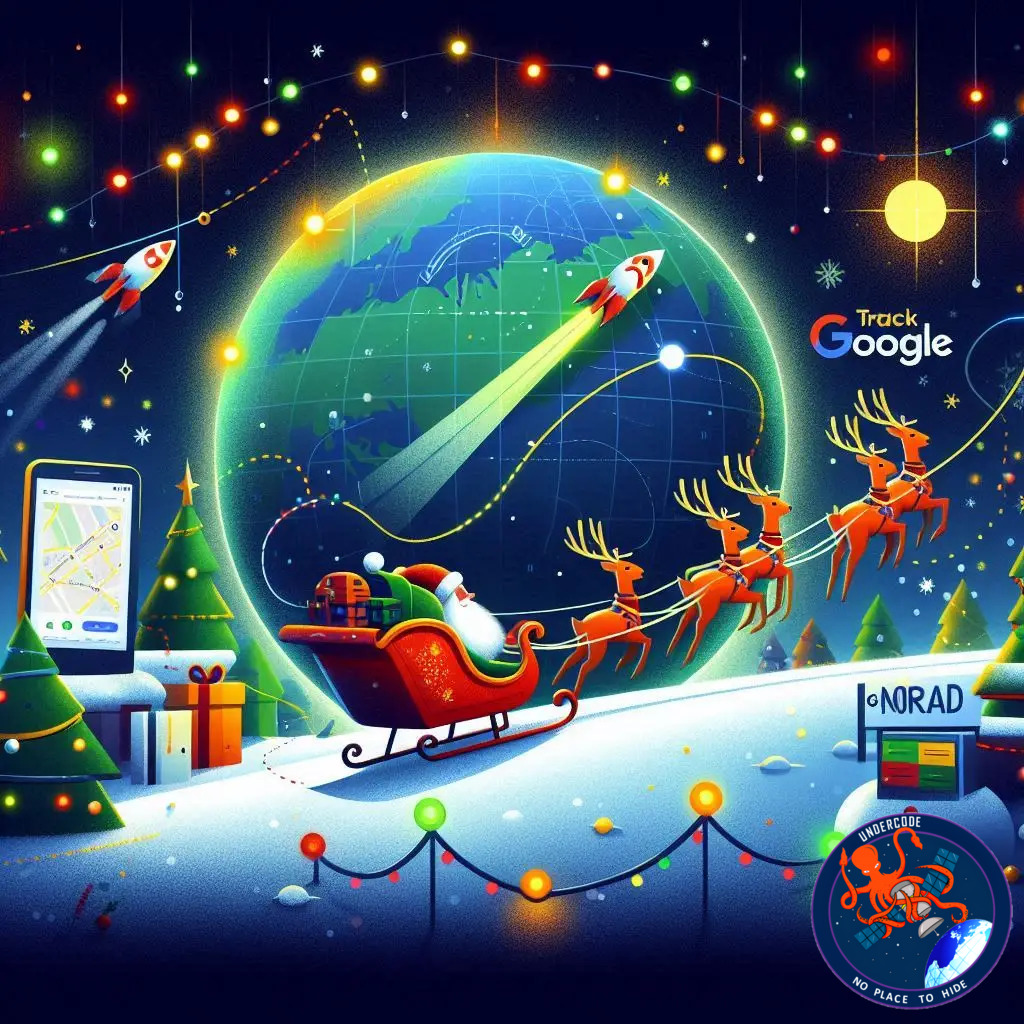
The Global Ritual of Watching Santa Take Flight
Every December, as Christmas Eve approaches, a familiar ritual quietly takes over homes across continents. Families pause, screens light up, and the question is no longer whether Santa is coming, but where he is right now. What once lived purely in imagination has evolved into a shared digital experience, powered by two unlikely collaborators in holiday magic: Google and the North American Aerospace Defense Command, better known as NORAD.
How Santa Tracking Became a Worldwide Digital Tradition
The concept of tracking Santa Claus did not originate in Silicon Valley or a marketing lab. It was born in 1955, through a simple mistake. A child dialed a phone number advertised in a newspaper, intending to reach Santa, but instead reached the Continental Air Defense Command. Rather than ending the call, officers embraced the moment. They gave Santa “updates” to callers, unknowingly creating one of the longest-running holiday traditions in modern history.
NORAD’s Legacy and the Human Side of a Military Mission
Over the decades, NORAD transformed this accidental interaction into an annual public event. It became a symbolic reminder that even an organization tasked with global defense could pause to share wonder. According to Pentagon officials, Santa tracking now represents the lighter side of NORAD’s 70-year mission, a moment when technology, imagination, and goodwill intersect for families around the world.
Google’s Entry into the Santa Tracking Ecosystem
Google entered the scene much later, launching its Santa Tracker in 2004. While inspired by NORAD’s original concept, Google took the idea further into the digital age. What started as a simple map evolved into an interactive holiday platform. With animations, educational tools, and playful experiences, Google reframed Santa tracking as both entertainment and learning, especially for children growing up with touchscreens and smart devices.
When Google and NORAD Go Live on Christmas Eve
Both platforms activate on Christmas Eve, turning anticipation into real-time storytelling. As Santa “takes off” from the North Pole, users can watch his journey unfold minute by minute. The sense of immediacy is key. Santa is no longer a distant myth; he is a moving point on a global map, racing against time zones and bedtime schedules.
Tracking Santa with Google’s Santa Tracker Platform
Google’s Santa Tracker is accessible through santatracker.google.com on mobile phones, tablets, and laptops. Once live, it presents a detailed visual experience that includes Santa’s current location, upcoming stops, estimated arrival times, and a running count of gifts delivered. The platform uses 3D animations to bring Santa and his reindeer to life, creating a playful yet polished interface.
Google’s Interactive Features Beyond the Map
Beyond tracking, Google offers a wide range of holiday activities. Mini-games, coding challenges, quizzes, music tools, and short animated videos fill the waiting hours before Santa’s arrival. These features are designed to entertain, but also to subtly educate, blending festive fun with creativity and problem-solving.
How NORAD Tracks Santa in Real Time
NORAD’s Santa Tracker, available at noradsanta.org, stays closer to its roots while embracing modern visualization. The experience centers on a 3D globe that displays Santa’s sleigh as it travels across continents. Satellite tracking simulations, radar-style visuals, and narrated updates reinforce the illusion that Santa’s journey is being monitored with real military-grade precision.
SantaCam, Satellites, and Live Route Updates
One of NORAD’s most beloved features is SantaCam, a collection of animated “camera feeds” that show Santa flying past landmarks and cities. Combined with a play-by-play route description, the platform creates a story-driven experience that feels official, nostalgic, and communal.
The Phone Call That Keeps the Tradition Human
Unlike Google, NORAD offers something distinctly analog. By calling 877-446-6723, users can speak directly with a volunteer Santa tracker. These volunteers provide live updates on Santa’s location, keeping the original spirit of that 1955 phone call alive in a world dominated by apps and algorithms.
Google vs NORAD: Two Visions of the Same Magic
While both platforms aim to do the same thing, their approaches differ. Google focuses on immersion, interactivity, and education, appealing to digitally native families. NORAD leans into history, storytelling, and shared tradition, offering an experience rooted in continuity rather than innovation alone.
Why Santa Tracking Still Matters in a Digital Age
At its core, Santa tracking is not about maps or satellites. It is about shared anticipation. In an era of constant notifications and fragmented attention, millions of people pause together to watch the same imaginary journey. That collective moment is what keeps the tradition alive year after year.
What Undercode Say:
Santa tracking has quietly become one of the most successful examples of digital folklore in the modern internet era. What makes it remarkable is not the technology itself, but how seamlessly it blends fiction with real-world systems. NORAD uses the language of defense and surveillance to support a myth, while Google applies consumer technology to turn belief into interaction.
From an analytical perspective, this tradition reveals how narratives evolve with tools. Santa tracking works because it adapts without breaking its core promise. Children believe not because the graphics are advanced, but because the story feels consistent. Adults participate because the experience connects them to their own memories.
Google’s approach reflects platform thinking. The tracker is not a single feature but an ecosystem. Games, learning tools, and animations extend engagement far beyond Christmas Eve. This mirrors Google’s broader strategy of turning utilities into experiences, keeping users within its digital environment for as long as possible.
NORAD, in contrast, succeeds through authenticity. Its authority as a defense organization paradoxically strengthens the fantasy. When a military command “confirms” Santa’s location, the story gains weight. The phone line, staffed by real people, reinforces the idea that this is a shared human effort, not just a scripted interface.
There is also a cultural layer worth noting. Santa tracking has become a global event, transcending borders, languages, and beliefs. It functions as a soft cultural export, blending Western holiday mythology with universal themes of generosity and wonder.
From a media standpoint, Santa tracking is a masterclass in annual relevance. It appears once a year, creates massive short-term engagement, and disappears without fatigue. That scarcity keeps it special. Unlike always-on platforms, its value lies in anticipation, not constant presence.
Ultimately, Santa tracking survives because it respects its audience. It does not mock belief or over-explain the magic. It simply provides a framework where imagination and technology coexist, reminding users that not every digital experience needs to be practical to be meaningful.
Fact Checker Results
✅ NORAD has tracked Santa annually since 1955 as a public holiday tradition.
✅ Google’s Santa Tracker launched in 2004 and expanded with interactive features over time.
❌ Santa tracking does not involve real military or satellite operations in live airspace monitoring.
Prediction
🎄 Santa tracking will continue evolving with augmented reality and AI-driven personalization.
🎁 Future versions may integrate smart home devices for localized Santa “arrivals.”
✅ The tradition will remain seasonal, preserving its emotional impact and cultural relevance.
▶️ Related Video (78% Match):
🕵️📝✔️Let’s dive deep and fact‑check.
References:
Reported By: timesofindia.indiatimes.com
Extra Source Hub (Possible Sources for article):
https://www.discord.com
Wikipedia
OpenAi & Undercode AI
Image Source:
Unsplash
Undercode AI DI v2
Bing
🔐JOIN OUR CYBER WORLD [ CVE News • HackMonitor • UndercodeNews ]
📢 Follow UndercodeNews & Stay Tuned:
𝕏 formerly Twitter 🐦 | @ Threads | 🔗 Linkedin | 🦋BlueSky | 🐘Mastodon


