
Listen to this Post
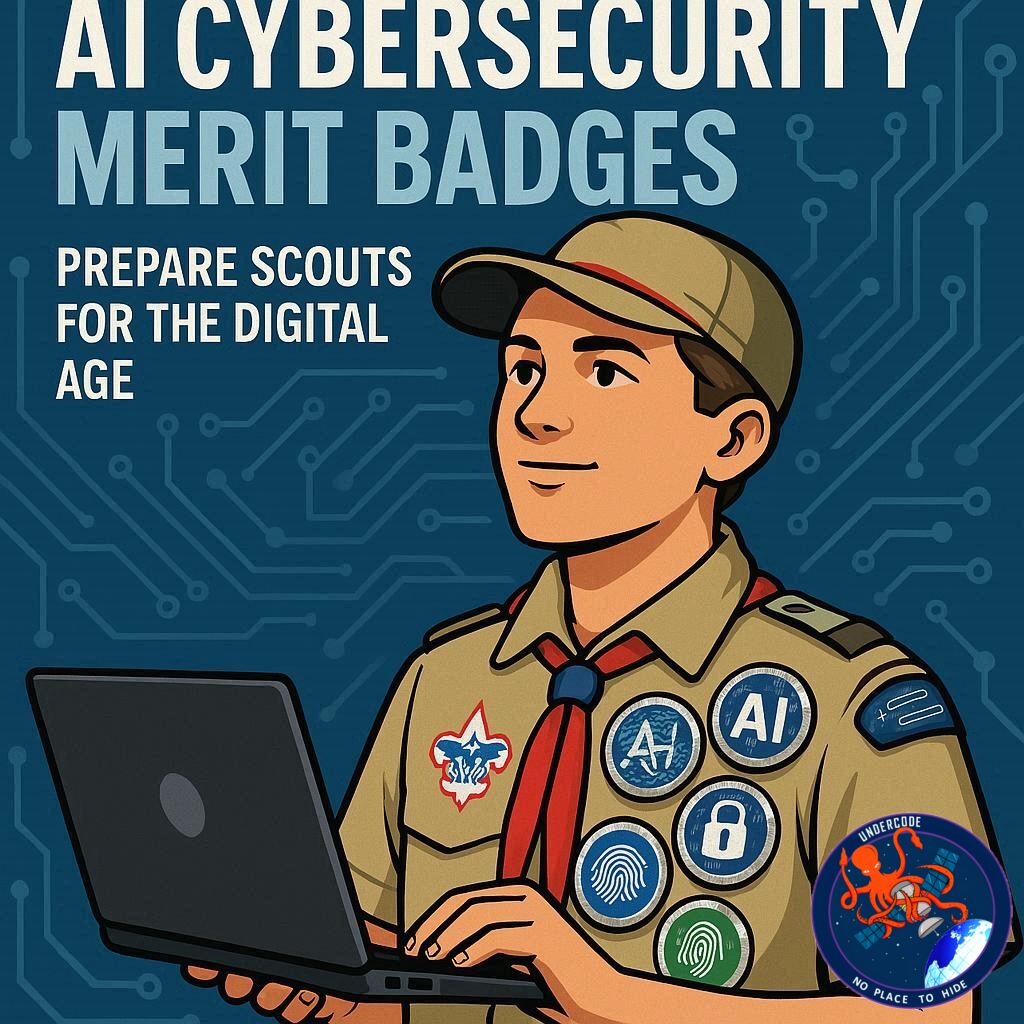
In a world increasingly defined by technology, Scouting America—the organization formerly known as the Boy Scouts—is stepping boldly into the future. With the launch of two new merit badges in artificial intelligence (AI) and cybersecurity, scouts now have the opportunity to explore the frontiers of technology, learn critical skills, and prepare for careers in some of the fastest-growing fields. This move reflects the organization’s ongoing efforts to stay relevant for today’s youth while maintaining its tradition of skill-building and character development.
Scouting America, which serves roughly a million scouts across the country, has long offered a diverse range of merit badges, covering everything from fishing and camping to fingerprinting and emergency preparedness. These badges are designed not just for fun, but to challenge scouts to explore new subjects, sharpen practical skills, and develop curiosity-driven learning. With the new AI and cybersecurity badges, the organization is directly responding to the interests of modern youth and the demands of a rapidly changing digital landscape.
According to CEO Roger Krone, the new badges aim to engage young people in topics that resonate with them today. “What we’re trying to do with the merit badge program is put together these badges around topics that the youth today are interested in,” Krone told CNN. These badges are not Scouting America’s first foray into technology: earlier this year, the group launched Scoutly, an AI chatbot designed to answer questions about the organization and its merit badges, reflecting its commitment to integrating technology in practical and educational ways.
The AI badge challenges scouts to understand the role of artificial intelligence in daily life. Participants examine the impact of AI and deepfakes, and complete a project that either incorporates AI technology or explains it to other scouts in an accessible way. The cybersecurity badge, developed with the help of Air Force Commander Michael Dunn, teaches scouts essential skills to protect themselves and their families from digital threats while also introducing them to an industry facing a shortage of skilled professionals. The badges are designed to be hands-on, engaging, and practical, providing scouts with insights into careers that are increasingly critical in the modern workforce.
The badges have already seen enthusiastic uptake. Brothers Charles, 13, and Wydell Hendricks, 15, were among the first to earn them. Charles described earning the cybersecurity badge as “more fun than it is work,” while Wydell, who hopes to pursue a cybersecurity career in the Air Force, noted that the experience also highlighted ethical considerations, reinforcing the moral values emphasized by Scouting America.
By introducing these new badges, Scouting America is not only updating its curriculum but also preparing young people for the realities of a tech-driven world. The organization’s approach underscores a broader recognition that AI, cybersecurity, and other digital skills are no longer niche interests—they are essential competencies for future personal and professional success.
What Undercode Say:
Scouting America’s introduction of AI and cybersecurity merit badges represents more than just a modernization of tradition; it signals a strategic pivot to align youth development with real-world technological demands. Historically, merit badges have served as exploratory tools, giving scouts exposure to diverse fields while fostering curiosity, resilience, and ethical decision-making. By targeting AI and cybersecurity, the organization is acknowledging two crucial trends: the omnipresence of artificial intelligence in daily life and the critical shortage of cybersecurity talent globally.
The AI badge, in particular, is significant because it encourages scouts to engage critically with complex concepts like deepfakes, algorithmic bias, and the societal implications of AI. This approach goes beyond technical literacy, integrating ethical considerations, communication skills, and project-based learning. Scouts must not only understand AI but translate its complexity into digestible insights for their peers—a skill set that mirrors contemporary demands in tech communication and education.
Cybersecurity, on the other hand, addresses both personal safety and workforce readiness. With an estimated millions of unfilled cybersecurity positions worldwide, early exposure to this field can spark long-term interest and potentially guide scouts toward high-demand careers. The badge emphasizes practical skills such as secure password creation, phishing awareness, and safe internet habits, equipping scouts to protect themselves and their communities. At the same time, it introduces ethical frameworks, highlighting the importance of responsible digital citizenship.
Integrating these badges into Scouting America’s portfolio reflects a broader educational philosophy: skills acquisition must evolve alongside societal needs. For decades, scouts learned practical survival skills in the physical world; today, digital literacy, AI awareness, and cybersecurity competence are equally vital for thriving in modern society. Moreover, the badges support soft skills such as critical thinking, problem-solving, collaboration, and ethical reasoning. For instance, scouts completing the AI badge must consider how algorithms influence decision-making and social dynamics—a subtle but impactful lesson in digital ethics.
Another dimension worth noting is the motivational aspect. Scouts like Charles and Wydell show that these badges can spark genuine curiosity and inspire career aspirations. By framing learning as “fun but meaningful,” Scouting America is applying a pedagogical principle long recognized in education: engagement increases retention. Young people are more likely to pursue further learning in AI or cybersecurity if their first exposure is challenging, interactive, and rewarding.
From a broader cultural perspective, this initiative can help bridge the digital divide. Not all young people have access to tech education outside formal schooling, and merit badges offer an accessible gateway to sophisticated topics. Early exposure demystifies AI and cybersecurity, helping scouts view these fields as approachable and relevant rather than abstract or intimidating.
Strategically, this also positions Scouting America as an innovative organization that adapts to the modern era. Many traditional youth programs struggle to maintain relevance, but by embedding digital literacy into its core offerings, Scouting America signals that it understands both its historical mission and the evolving needs of young people. This dual focus—honoring tradition while embracing innovation—can strengthen its appeal to parents, educators, and scouts alike.
The badges’ potential long-term impact extends beyond individual scouts. Widespread adoption could create a generation more digitally literate and ethically conscious, equipped to navigate AI’s societal implications and the challenges of cybersecurity threats. This foresight is critical, as digital competence increasingly defines success in education, employment, and civic participation.
Ultimately, the AI and cybersecurity badges are not merely educational tools—they are instruments of empowerment. They equip scouts with the knowledge, skills, and ethical grounding needed to thrive in a technologically complex world. By integrating cutting-edge topics with hands-on learning and moral reflection, Scouting America is reimagining the concept of merit in the 21st century.
Fact Checker Results:
✅ Scouting America now offers AI and cybersecurity merit badges.
✅ Scouts learn both technical skills and ethical considerations.
❌ The initiative is recent, and long-term adoption rates are not yet known.
Prediction:
🚀 The AI and cybersecurity badges will likely inspire more youth to pursue STEM careers, particularly in cybersecurity and AI ethics.
🌐 Expect other youth organizations to follow suit, integrating emerging tech into skill-building programs.
📈 Over the next five years, these badges could help close early gaps in tech literacy, creating a more digitally competent generation ready for the challenges of tomorrow.
🕵️📝✔️Let’s dive deep and fact‑check.
References:
Reported By: edition.cnn.com
Extra Source Hub (Possible Sources for article):
https://www.reddit.com
Wikipedia
OpenAi & Undercode AI
Image Source:
Unsplash
Undercode AI DI v2
Bing
🔐JOIN OUR CYBER WORLD [ CVE News • HackMonitor • UndercodeNews ]
📢 Follow UndercodeNews & Stay Tuned:
𝕏 formerly Twitter 🐦 | @ Threads | 🔗 Linkedin | 🦋BlueSky | 🐘Mastodon


