
Listen to this Post
Introduction
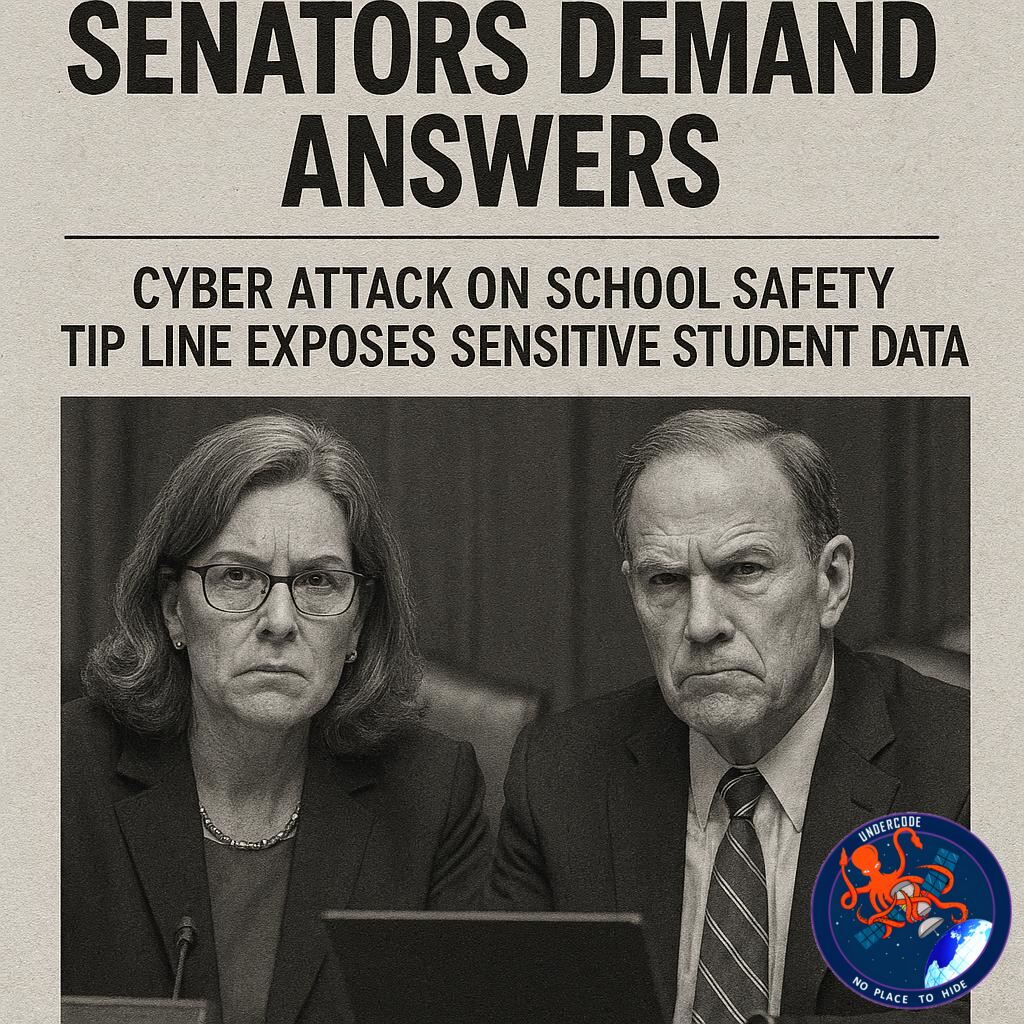
A growing wave of cyberattacks targeting educational institutions has now reached a deeply sensitive point: anonymous school safety reporting systems. A recent breach involving Navigate360, a company used by thousands of schools and public safety agencies, has raised serious concerns in Washington. Bipartisan senators are now demanding answers after hackers allegedly accessed and leaked highly sensitive student data from a platform designed to protect anonymity and safety.
Summary of the Original
Senators Maggie Hassan and Jim Banks have formally requested answers from Navigate360 following a reported cyberattack.
The company operates the P3 Global Intel tip line, which allows anonymous reporting of school safety concerns.
Lawmakers expressed concern that hackers may have accessed sensitive personally identifiable student information.
The senators sent a letter dated April 24 asking for full transparency on the breach.
They demanded clarity on what data was stolen and how the company is responding.
Navigate360 reportedly serves more than 30,000 schools and 5,000 public safety agencies.
Hackers claim they extracted approximately 93 gigabytes of data from the system.
The senators warned that the platform’s promise of anonymity may no longer be trustworthy.
They argued that compromised anonymity could discourage students from reporting threats.
Experts have also raised concerns about trust in digital reporting systems.
Navigate360’s CEO initially stated the company was investigating the incident.
At that time, no confirmation of data exposure was officially provided.
The company did not immediately respond to the senators’ letter.
Cybersecurity incidents in schools have become increasingly common in recent years.
A report shows 82% of K-12 schools experienced cyber incidents between 2023 and 2024.
The COVID-19 era significantly expanded the digital attack surface for schools.
Many attackers are financially motivated, often seeking ransom payments.
However, in this case, hackers claimed ideological motivations.
The group behind the attack reportedly described their actions as “hacktivism.”
They criticized law enforcement and rejected traditional criminal investigations.
Hackers suggested their goal was to challenge institutional authority.
Senators also questioned whether the platform truly ensures anonymity.
They asked what cybersecurity safeguards are currently in place.
They requested details on the extent of compromised data.
They also asked what support was provided to affected school districts.
The situation has intensified scrutiny of digital safety tools in education.
Concerns are growing about whether such systems can be fully trusted.
The breach has raised questions about student privacy protections.
Lawmakers are now pushing for accountability and stronger safeguards.
The investigation into the full impact of the breach is still ongoing.
What Undercode Say:
The Navigate360 breach is not just another cybersecurity incident, it represents a structural failure in systems built on trust and anonymity.
When a platform promises anonymity, it becomes a psychological safety net for students reporting threats.
If that trust is broken, the entire reporting ecosystem weakens instantly.
Schools depend heavily on third-party digital tools, often without full visibility into their security architecture.
This creates a hidden dependency risk across thousands of institutions.
A single vulnerability can scale into a national-level exposure event.
The 93GB data claim suggests this was not a minor intrusion but a systemic extraction.
Even if not all data is verified, the scale alone raises serious concerns.
Hacktivist motivations complicate response strategies because the goal is ideological disruption, not financial gain.
This shifts the threat model from ransom prevention to information control and narrative warfare.
Schools are now part of a broader cyber battleground, not isolated targets.
The 82% incident rate in K-12 schools shows normalization of breaches.
Normalization leads to complacency, which is dangerous in cybersecurity.
Anonymous reporting systems require zero-trust architecture, not just basic encryption.
Many platforms still rely on outdated assumptions about user safety.
If anonymity is even partially compromised, reporting rates may decline sharply.
That creates blind spots in school safety monitoring.
Senators’ bipartisan response indicates this issue transcends political divisions.
It is now a national infrastructure concern, not just a tech issue.
Transparency from vendors is becoming as important as technical defense.
Without disclosure, schools cannot evaluate real risk exposure.
There is also a regulatory gap in oversight of school safety platforms.
Current frameworks may not match modern threat complexity.
Cybersecurity in education is now directly tied to child protection policy.
Hackers exposing student identities introduces ethical and legal escalation.
The psychological impact on students may outlast the technical breach.
Trust once lost in safety tools is extremely difficult to rebuild.
This incident may trigger audits across similar platforms nationwide.
Vendor accountability standards are likely to tighten.
Future systems may require independent security certification before deployment.
The key issue is no longer just prevention but resilience under breach conditions.
Ultimately, this case exposes how fragile digital trust infrastructure has become in education ecosystems.
Fact Checker Results
✔️ Senators did send a formal letter expressing concern about the breach
✔️ Hackers claimed to have stolen a large volume of data (93GB reported)
❌ Full scope of data exposure and anonymity breakdown is still unconfirmed
Prediction
This incident will likely lead to stricter federal oversight of school safety technology platforms.
More schools may temporarily suspend or audit anonymous reporting tools.
Cybersecurity requirements for education vendors will likely become more strict and standardized.
🕵️📝✔️Let’s dive deep and fact‑check.
References:
Reported By: cyberscoop.com
Extra Source Hub (Possible Sources for article):
https://www.instagram.com
Wikipedia
OpenAi & Undercode AI
Image Source:
Unsplash
Undercode AI DI v2
Bing
🔐JOIN OUR CYBER WORLD [ CVE News • HackMonitor • UndercodeNews ]
📢 Follow UndercodeNews & Stay Tuned:
𝕏 formerly Twitter 🐦 | @ Threads | 🔗 Linkedin | 🦋BlueSky | 🐘Mastodon


