
Listen to this Post
Introduction: A Sudden Digital Blackout Across Cyprus
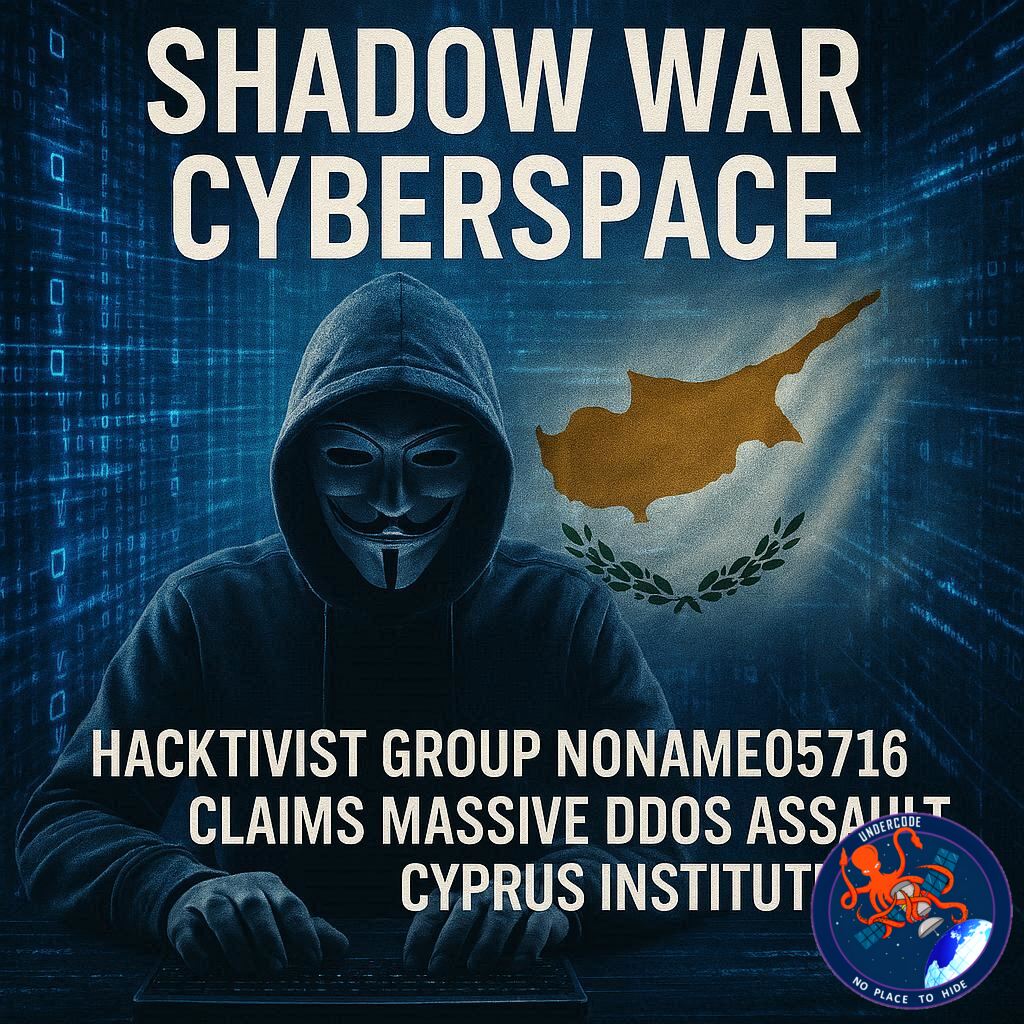
Cyprus recently faced a significant wave of cyber disruption after a notorious hacktivist group claimed responsibility for coordinated attacks targeting critical national services. The alleged campaign reportedly struck several major institutions, including the country’s government portal, port authorities, and financial infrastructure. The attacks disrupted online services and sparked concerns about the resilience of digital systems that support everyday operations across the island nation.
Cyber incidents of this scale rarely happen without a deeper context. While distributed denial-of-service (DDoS) attacks are not new, coordinated campaigns targeting multiple strategic institutions simultaneously often signal organized cyber activism or geopolitical messaging. As Cyprus continues to digitize public services and financial platforms, incidents like this highlight both the opportunities and vulnerabilities of an increasingly connected society.
the Reported Cyberattack on Cyprus Institutions
Hacktivist Group Claims Responsibility
The cyber collective known as NoName057(16) publicly claimed responsibility for a series of coordinated distributed denial-of-service attacks aimed at key institutions in Cyprus. The announcement surfaced through online cybersecurity monitoring channels and social media discussions that track threat actors and hacktivist activity.
According to the claims, the group orchestrated traffic floods designed to overwhelm digital infrastructure belonging to several essential services across the country.
Financial Infrastructure Targeted
Among the primary targets was JCC Payment Systems, a major financial transaction platform widely used for payment processing throughout Cyprus. When a system like this becomes unavailable, the disruption can ripple across retail, banking, and online commerce.
DDoS attacks against financial processors can temporarily prevent users from completing transactions, causing delays and uncertainty for businesses and consumers alike.
Government Services Disrupted
The attack campaign reportedly also targeted the Cyprus Government Portal, a central digital hub where citizens access administrative services, official documents, and government communications.
When public portals go offline, citizens may lose access to essential functions such as digital identification services, government forms, or regulatory updates. Even temporary outages can create confusion and delays in public administration.
Strategic Infrastructure Under Pressure
Another reported victim was the Cyprus Ports Authority, an entity responsible for managing maritime infrastructure and port operations across the island.
Ports represent a vital logistical artery for Cyprus, supporting international trade, shipping, and tourism. Any digital disruption affecting port systems can potentially impact cargo processing, vessel scheduling, and maritime communication networks.
Service Outages and Operational Disruptions
The alleged attacks triggered widespread service interruptions, with users reporting difficulty accessing various platforms linked to the targeted institutions.
DDoS campaigns typically function by flooding servers with massive volumes of requests, overwhelming the system until it becomes unable to respond to legitimate users. Although the attacks do not usually involve data theft, the disruption itself can cause economic losses and operational chaos.
Growing Pattern of Hacktivist Campaigns
Groups like NoName057(16) have gained notoriety in recent years for conducting politically motivated cyber operations. Their activities often include targeting government websites, financial infrastructure, and institutions linked to countries involved in geopolitical tensions.
While attribution in cyberspace is complex and claims made by hacktivists are sometimes exaggerated, the scale of coordinated attacks across multiple institutions suggests a deliberate and organized campaign.
Cybersecurity Community Monitoring the Incident
Security researchers and cyber threat monitoring communities quickly circulated reports of the claimed attack across various platforms. Analysts continue evaluating whether the disruptions were solely caused by DDoS traffic or if additional intrusion attempts accompanied the campaign.
In many cases, DDoS attacks are used not only to cause disruption but also as a distraction while other cyber operations occur in parallel.
What Undercode Says:
The Strategic Messaging Behind Hacktivist Cyber Campaigns
The alleged attack highlights how modern cyber conflict increasingly blurs the line between activism, propaganda, and digital warfare. Groups like NoName057(16) often frame their attacks as ideological or geopolitical statements rather than purely criminal activity.
By publicly claiming responsibility, these groups amplify psychological impact far beyond the technical disruption itself.
DDoS Attacks as a Tool of Digital Protest
Distributed denial-of-service attacks remain one of the most accessible forms of cyber aggression. Unlike complex hacking operations that require deep system infiltration, DDoS campaigns rely primarily on traffic volume.
Botnets, compromised devices, and coordinated volunteer networks can generate enormous waves of requests capable of overwhelming even well-protected servers.
Why Financial Systems Are Frequent Targets
Financial transaction platforms such as JCC Payment Systems represent high-visibility targets. Interrupting payment services quickly generates public attention because it directly affects daily economic activity.
Hacktivists understand that disruption to financial infrastructure can generate news coverage and amplify the message they aim to broadcast.
Critical Infrastructure and National Stability
Government portals and port authorities represent the digital backbone of modern state operations. When these systems fail, even temporarily, the perception of institutional vulnerability becomes visible to the public.
For cyber attackers, this visibility is often the real objective. The narrative of disruption becomes as powerful as the attack itself.
Cyprus as a Geopolitical Cyber Target
Cyprus occupies a strategic position in the Eastern Mediterranean, connecting European markets with Middle Eastern trade routes. This position makes the island’s infrastructure particularly important in logistics, finance, and regional diplomacy.
Because of this role, Cyprus occasionally appears in broader geopolitical tensions that extend into cyberspace.
The Psychological Dimension of Cyberattacks
Cyber operations increasingly focus on perception rather than destruction. A temporary outage lasting only minutes can still generate headlines, social media panic, and public speculation about security failures.
Hacktivist groups leverage this psychological dynamic to maximize influence while using relatively simple technical methods.
The Role of Social Media in Cyber Warfare
The claim of responsibility circulated rapidly through online cybersecurity communities and social platforms. In modern cyber conflicts, information dissemination occurs almost simultaneously with the attack itself.
Threat actors use these channels to build reputations, recruit supporters, and amplify the perceived scale of their operations.
The Real Cost of “Temporary” Cyber Disruption
Although DDoS attacks rarely involve permanent damage, the economic consequences can still be substantial. Businesses relying on digital payment systems may lose transactions, ports may experience logistical delays, and government services may stall.
Even short outages can translate into financial losses and operational inefficiencies.
The Evolving Arms Race in Cyber Defense
Defending against DDoS attacks has become an ongoing technological arms race. Organizations deploy mitigation tools, traffic filtering systems, and distributed infrastructure to absorb traffic spikes.
Yet attackers constantly adapt their techniques, using larger botnets and more sophisticated traffic patterns to bypass defenses.
A Reminder of Digital Fragility
Incidents like the alleged Cyprus attack highlight a fundamental reality of modern society: digital systems are powerful but fragile. As governments and businesses migrate services online, resilience against cyber disruption becomes a critical national priority.
🔍 Fact Checker Results
Verification of the Attack Claim
✅ The hacktivist group NoName057(16) has publicly claimed responsibility for coordinated DDoS attacks targeting Cypriot institutions.
Impact on Targeted Services
⚠️ Reports indicate service disruptions, but the full operational impact and duration of outages remain independently unverified.
Evidence of Data Breach
❌ No confirmed evidence suggests data theft or system compromise; the incident appears limited to service disruption.
📊 Prediction
Rising Hacktivist Activity Across Europe
Cybersecurity experts expect hacktivist groups to intensify campaigns against government and infrastructure targets throughout Europe. As geopolitical tensions evolve, DDoS attacks will likely remain a preferred tactic due to their simplicity and high visibility.
Expansion of Defensive Infrastructure
Following incidents like the Cyprus disruption, organizations will likely invest more heavily in traffic-scrubbing services, distributed hosting, and automated DDoS mitigation systems designed to absorb massive traffic surges.
Increased Monitoring of Hacktivist Networks
Authorities and cybersecurity researchers are expected to expand monitoring of online communities associated with groups like NoName057(16). Tracking communication channels, recruitment patterns, and infrastructure could become key to anticipating future campaigns before they escalate into widespread service outages.
🕵️📝✔️Let’s dive deep and fact‑check.
References:
Reported By: x.com
Extra Source Hub (Possible Sources for article):
https://www.facebook.com
Wikipedia
OpenAi & Undercode AI
Image Source:
Unsplash
Undercode AI DI v2
Bing
🔐JOIN OUR CYBER WORLD [ CVE News • HackMonitor • UndercodeNews ]
📢 Follow UndercodeNews & Stay Tuned:
𝕏 formerly Twitter 🐦 | @ Threads | 🔗 Linkedin | 🦋BlueSky | 🐘Mastodon


