
Listen to this Post
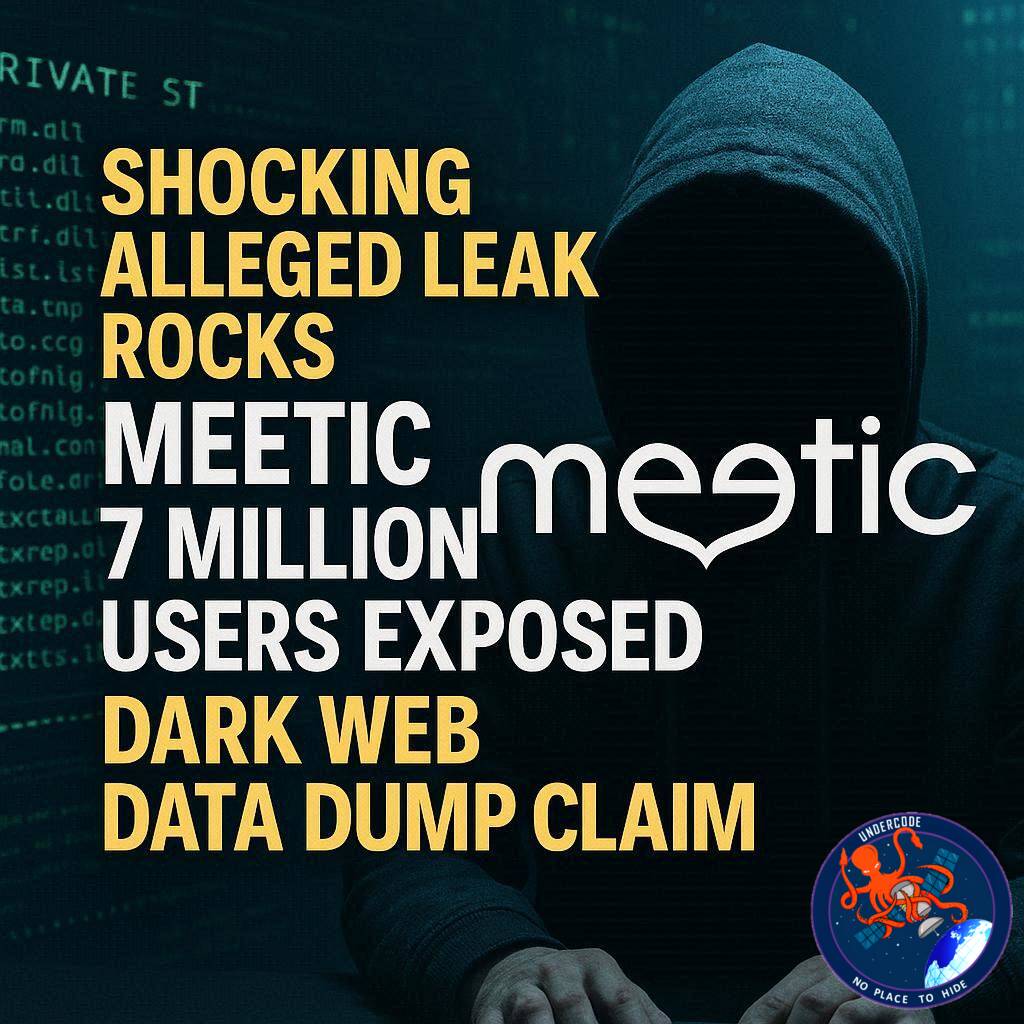
Introduction: Massive Dating Platform Exposure Sparks Privacy Alarm Across Europe
A major cybersecurity alarm has emerged after a threat actor allegedly published a large dataset linked to Meetic, one of France’s most widely used online dating platforms. The post, circulating through underground channels, claims that information belonging to more than 7 million users has been exposed, raising serious concerns about digital privacy, identity safety, and the security of personal relationships stored online. The actor reportedly shared sample records along with download access, intensifying fears of widespread data misuse. While the authenticity of the dataset has not yet been independently verified, the scale and sensitivity of the alleged leak have already triggered warnings across cybersecurity circles.
the Alleged Meetic Data Leak and Its Potential Impact
A threat actor has allegedly released a database tied to Meetic, a major French dating platform. The claim suggests that over 7 million user records may be included in the exposed dataset. The leak was reportedly distributed through underground forums and dark web channels, where samples of the data were shared to validate its authenticity. Although no official confirmation has been made regarding the breach, the structure and scale described by the actor indicate a potentially significant privacy incident. The dataset is said to include sensitive personal details commonly associated with online dating services. These may involve user profile data, email addresses, private messaging content, relationship preferences, geolocation signals, and authentication-related metadata. Such information, if accurate, could expose users to severe privacy risks. Dating platform breaches are particularly damaging because they involve intimate behavioral and emotional data. Users affected by such leaks may face targeted phishing campaigns, extortion attempts, impersonation risks, and credential reuse attacks. Cybercriminals often exploit emotional vulnerability linked to dating platforms to enhance social engineering success rates. In response to such threats, experts consistently advise users to update passwords immediately, especially if reused across platforms, enable multi-factor authentication where possible, and stay alert to suspicious communication attempts. On the organizational side, platforms handling sensitive interpersonal data are urged to strengthen encryption, limit data retention, and improve real-time intrusion detection systems. Rapid disclosure and incident response protocols are also considered essential to mitigate long-term damage. Despite the alarming nature of the claims, the dataset’s authenticity remains unverified, and investigations would be required to confirm whether the exposure is legitimate or exaggerated.
What Undercode Say:
The Expanding Shadow of Data Markets in Cybercrime Ecosystems
The alleged Meetic breach reflects a broader and more disturbing pattern in underground cyber markets where personal datasets have become highly monetized assets. Dating platforms are especially attractive targets because they store not only identifiers but also emotional and behavioral insights that can be weaponized. If the claim of 7 million records is accurate, it suggests either a large-scale compromise or aggregation from multiple sources, both of which highlight how fragmented security controls can be exploited at scale.
Psychological Exploitation as a Primary Weapon in Dating Data Breaches
Unlike financial leaks, dating platform exposures carry a unique psychological dimension. Attackers can leverage emotional connections, relationship history, and private conversations to craft highly convincing scams. This elevates the risk beyond traditional phishing, introducing blackmail and emotional manipulation tactics that are harder for victims to detect. The human factor becomes the weakest security layer when intimacy data is involved.
Structural Weaknesses in Consumer Platform Security Models
Consumer-facing platforms often prioritize user experience over strict security architecture, which can lead to insufficient encryption or over-retention of sensitive metadata. If such weaknesses exist in systems like Meetic, attackers may exploit backend vulnerabilities or poorly secured APIs. The alleged breach underscores the need for stronger default security settings rather than optional protections.
The Dark Web Distribution Mechanism and Its Amplification Effect
Once datasets appear on underground channels, they gain rapid amplification through reposting, mirroring, and resale. Even if the original leak is small or partially fabricated, distribution networks can inflate its perceived scale. This creates a persistent risk where misinformation and genuine data often blend, making verification difficult for both users and investigators.
User Exposure Risks Beyond the Platform Itself
The danger of dating platform leaks extends beyond the platform ecosystem. Users often reuse emails and passwords across multiple services, which allows attackers to perform credential stuffing across unrelated platforms. Additionally, leaked personal preferences and geolocation data can be used for real-world targeting, increasing both digital and physical security risks.
Regulatory Pressure and the Future of Data Accountability
Incidents like this, whether confirmed or not, intensify pressure on regulators to enforce stricter data governance standards. European frameworks already impose significant obligations, but repeated allegations show that enforcement alone may not be sufficient. Future compliance may require real-time auditing, mandatory breach transparency windows, and stricter penalties for data retention violations.
Fact Checker Results
🔍 Verification Status Remains Unconfirmed
The alleged Meetic dataset has not been independently validated by official cybersecurity authorities or the company.
🔍 Claims Originate from Underground Channels
The source of the leak is a threat actor posting in dark web-related forums, which often include both real and exaggerated datasets.
🔍 No Technical Proof Released Publicly
No verified forensic evidence or confirmed breach vector has been disclosed to substantiate the dataset’s authenticity.
Prediction
Rising Wave of Dating Platform Targeting Expected
If current trends continue, dating platforms will increasingly become high-value targets due to their emotionally sensitive data structures.
Increased Hybrid Scams Likely to Emerge
Future attacks may combine leaked dating data with AI-generated social engineering, making scams more personalized and harder to detect.
Stronger Regulatory Enforcement and Security Overhaul Ahead
Even unverified leaks like this will likely push platforms toward stricter encryption standards, reduced data retention, and mandatory breach disclosure frameworks.
🕵️📝Let’s dive deep and fact‑check.
References:
Reported By: x.com
Extra Source Hub (Possible Sources for article):
https://www.discord.com
Wikipedia
OpenAi & Undercode AI
Image Source:
Unsplash
Undercode AI DI v2
Bing
🔐JOIN OUR CYBER WORLD [ CVE News • HackMonitor • UndercodeNews ]
📢 Follow UndercodeNews & Stay Tuned:
𝕏 formerly Twitter 🐦 | @ Threads | 🔗 Linkedin | 🦋BlueSky | 🐘Mastodon


