
Listen to this Post
Introduction
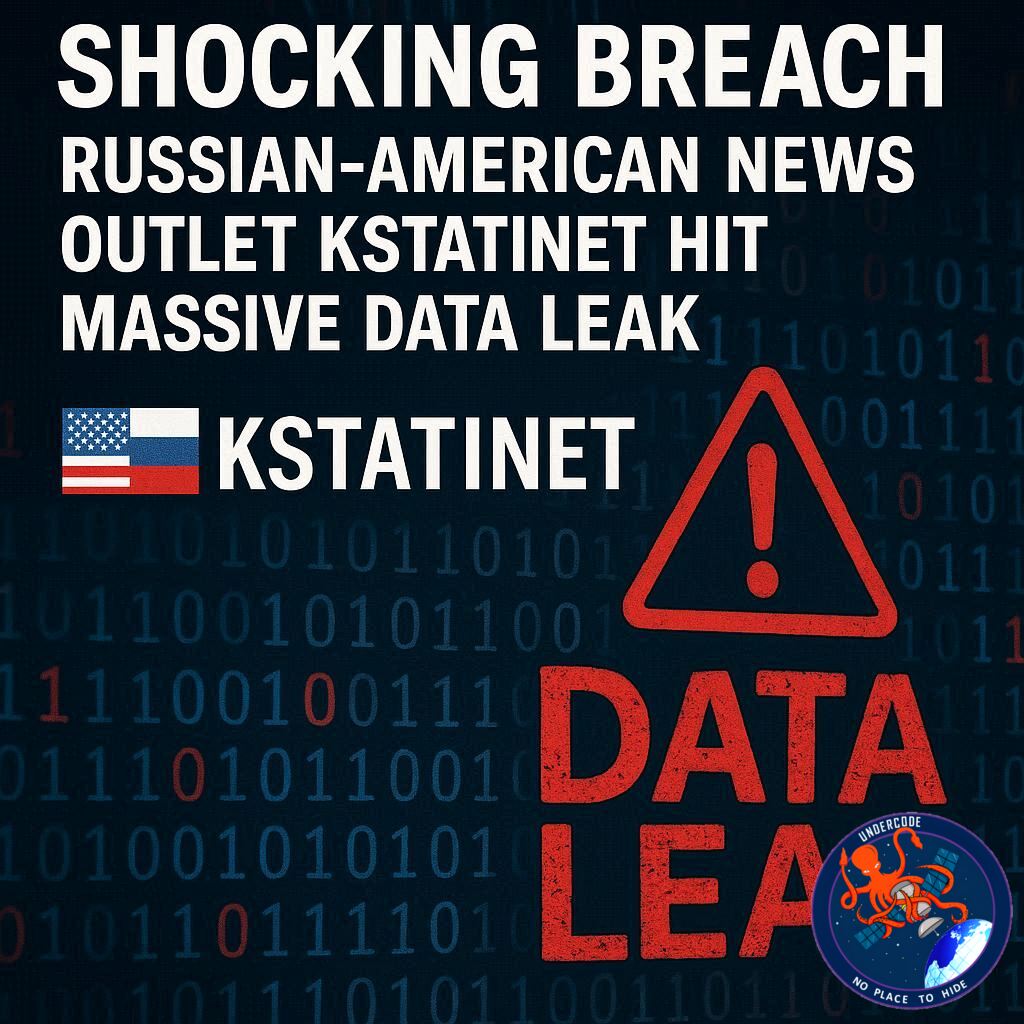
In the ever-evolving landscape of cyber threats, news organizations are increasingly finding themselves on the frontline of digital attacks. The latest victim is Kstati.net, a Russian-American news outlet, which has allegedly suffered a major data breach. Reports from dark web monitoring sources reveal that a threat actor leaked a database containing the personal details of around 8,000 users on a hacking forum. This breach highlights the growing vulnerability of cross-border media platforms and raises pressing questions about privacy, security, and information warfare.
The Breach: What Happened?
According to cybersecurity watchers, the breach was first reported by Dark Web Intelligence (@DailyDarkWeb). A hacker allegedly posted a stolen database of Kstati.net users to an underground forum, offering sensitive data to cybercriminals. With 8,000 accounts exposed, this leak has the potential to impact both personal users and the broader trust in media outlets.
The scale of the breach is significant—not just for its size, but because it involves a platform connecting Russian and American audiences. In today’s tense geopolitical climate, cyberattacks on such outlets carry not only financial risks but also potential influence on cross-border narratives and trust.
Possible Motives Behind the Attack
Cyberattacks on media platforms often have more than one motive:
Financial gain: Stolen user data can be sold for profit on dark web marketplaces.
Espionage: State-backed groups may use breaches to monitor readers, influence stories, or collect intelligence.
Disruption of trust: Attacking media platforms weakens credibility and fosters misinformation.
In this case, while attribution remains unclear, the attack coincides with rising tensions between Russia and the United States, suggesting possible geopolitical undertones.
Consequences for Users
The exposure of personal data—including names, emails, and possibly hashed passwords—poses serious risks. Victims may face:
Phishing campaigns targeting their emails.
Identity theft if personal details are combined with other leaked data.
Loss of privacy, especially for readers who prefer anonymity when engaging with politically sensitive content.
The breach underlines the urgent need for news platforms to adopt stronger cybersecurity measures and educate their audiences about potential threats.
What Undercode Say:
When analyzing this breach from a cybersecurity perspective, several key insights emerge.
First, the choice of target is telling. Kstati.net represents a cultural and political bridge between Russian and American communities. By compromising this platform, attackers not only gain access to user data but also strike at the credibility of international dialogue.
Second, the timing of the attack cannot be ignored. With ongoing global conflicts and increasing digital propaganda efforts, disrupting media channels that cross borders fits into a larger strategy of information warfare. Hackers know that by leaking user data, they spark fear, discourage engagement, and indirectly shape public perception.
Third, the dark web’s role is crucial. Cybercriminal forums thrive as distribution hubs for stolen data. The fact that this leak surfaced so quickly on such a forum demonstrates the efficiency of these underground networks. Once data is released, it becomes nearly impossible to contain, meaning thousands of users are now permanently vulnerable.
Fourth, we must examine the security posture of smaller media organizations. Unlike major corporations with dedicated cybersecurity teams, outlets like Kstati.net often lack robust defenses. Hackers exploit these weaknesses to send a larger message: no one is safe if security is neglected.
Fifth, the psychological effect of the breach should not be underestimated. Readers may lose trust, advertisers may withdraw, and the organization may struggle to recover its credibility. In a digital age where trust is currency, a data breach is not just a technical failure—it’s a reputational disaster.
Finally, from a preventive standpoint, this incident reinforces the importance of:
Regular security audits for news outlets.
Data minimization practices to reduce exposure.
User education on password safety and phishing awareness.
By studying breaches like this, cybersecurity experts highlight the interconnectedness of media, politics, and digital crime, showing how one leak can ripple across entire communities.
✅ Fact Checker Results
The data leak has been confirmed by multiple dark web monitoring sources. While attribution of the hacker group remains unclear, the existence of the leaked database is real and poses a tangible threat to affected users.
🔮 Prediction
Given the rising frequency of cyberattacks on media organizations, we can expect more news outlets to become primary targets in the coming months. Hackers will increasingly exploit platforms that sit at the intersection of politics and public opinion. Unless outlets like Kstati.net strengthen their defenses, similar breaches will continue, undermining both user security and global information trust.
🕵️📝✔️Let’s dive deep and fact‑check.
References:
Reported By: x.com
Extra Source Hub:
https://www.instagram.com
Wikipedia
OpenAi & Undercode AI
Image Source:
Unsplash
Undercode AI DI v2
🔐JOIN OUR CYBER WORLD [ CVE News • HackMonitor • UndercodeNews ]
📢 Follow UndercodeNews & Stay Tuned:
𝕏 formerly Twitter 🐦 | @ Threads | 🔗 Linkedin | 🦋BlueSky | 🐘Mastodon


