
Listen to this Post
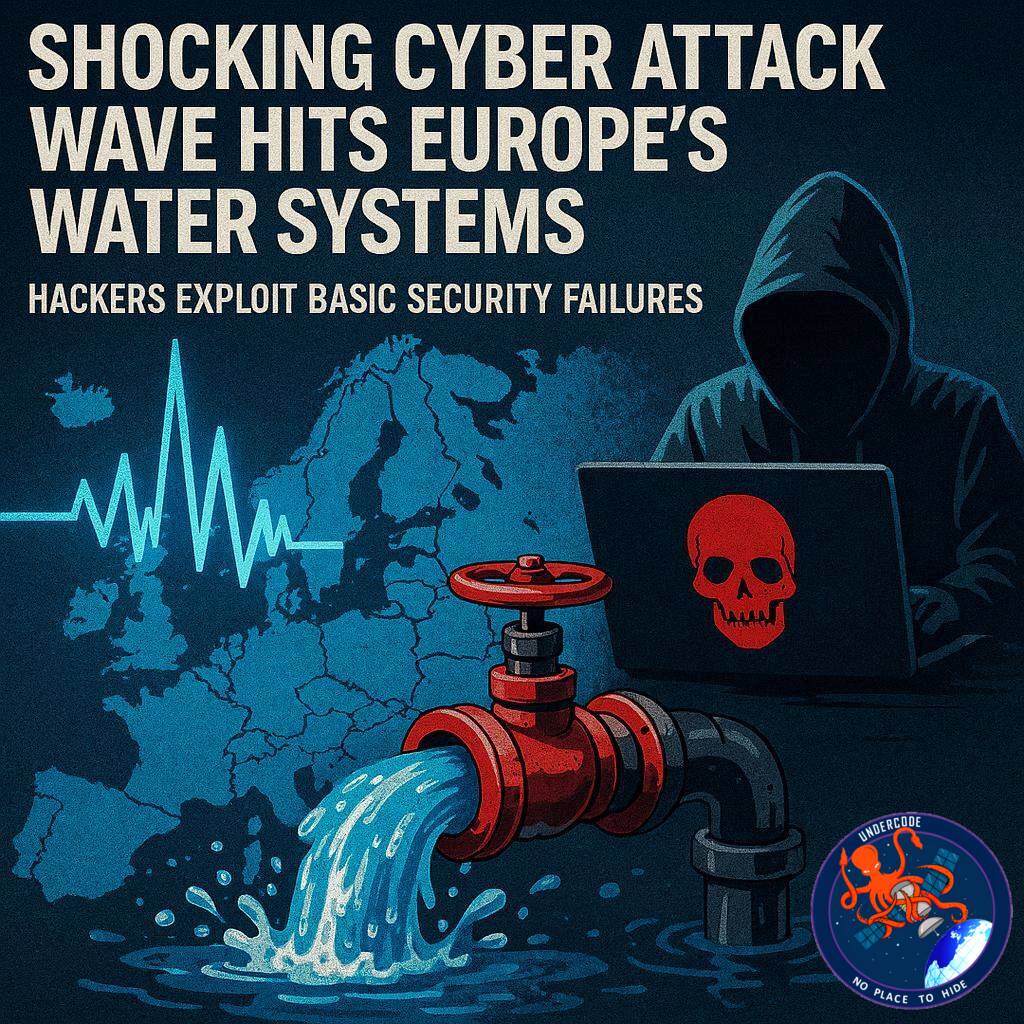
Introduction: Rising Digital Threats to Critical Water Infrastructure
A new wave of cybersecurity incidents is raising serious concerns across Europe, with Poland emerging as a key focus of recent investigations. Industrial Control Systems (ICS) that manage essential water treatment facilities have reportedly become prime targets for advanced cyber actors. Security agencies warn that attackers are no longer relying on highly sophisticated zero-day exploits—instead, they are exploiting extremely basic vulnerabilities such as weak passwords and poor system configuration. The situation highlights a growing global risk where essential public utilities are increasingly exposed to cyber interference, potentially threatening public safety and national infrastructure resilience.
the Cybersecurity Incident Report (Water Systems Under Attack)
Poland’s Internal Security Agency (ABW) has reported a significant increase in cyber intrusions targeting Industrial Control Systems used in water treatment plants between 2024 and 2025. The attacks have been attributed to well-known threat actors including APT28, APT29, and UNC1151, groups often linked to state-sponsored cyber operations. Investigations suggest that the attackers gained access primarily through weak or reused passwords, allowing them to infiltrate operational systems without advanced exploitation techniques. Once inside, they were able to manipulate equipment settings, potentially affecting water processing and distribution functions. Authorities believe these intrusions were not random but strategically targeted to test infrastructure vulnerabilities. The incidents highlight the fragility of critical utility systems when cybersecurity hygiene is not properly enforced. Experts emphasize that even minimal security lapses in ICS environments can lead to significant operational disruption. The report also underscores that water infrastructure, often considered low-risk compared to financial systems, is becoming an increasingly attractive target for cyber espionage and sabotage activities. This shift in targeting strategy reflects a broader trend in global cyber warfare where essential civilian services are now part of geopolitical cyber conflict zones.
What Undercode Say:
Weak Security Hygiene Is Becoming a National-Level Threat
The repeated exploitation of weak passwords shows that even the most advanced infrastructure can collapse under the weight of poor basic security practices. Attackers no longer need advanced malware when credentials are the easiest entry point.
Industrial Control Systems Are Still Dangerously Outdated
Many water treatment systems rely on legacy software and hardware that were never designed for modern cyber threats. This technological gap creates an open door for intrusion.
State-Sponsored Groups Are Testing Infrastructure Resilience
The involvement of APT28, APT29, and UNC1151 suggests that these are not random attacks but structured probes into national infrastructure resilience. These groups often operate with strategic intelligence goals.
Water Systems Are Becoming the New Cyber Battlefield
Unlike financial systems that already have strong defenses, water infrastructure remains under-protected. This makes it an ideal target for both espionage and disruption.
The Real Risk Lies in Operational Manipulation
The ability to alter equipment settings is more dangerous than data theft. It means attackers could potentially disrupt water safety without immediate detection.
Cybersecurity Gaps Are Human, Not Just Technical
Most breaches stem from human negligence—weak passwords, reused credentials, and lack of multi-factor authentication. This is a cultural security issue, not just a technical one.
Critical Infrastructure Exposure Is Expanding Globally
Poland is not isolated in this trend. Similar vulnerabilities exist across Europe and other regions where ICS systems are aging and underfunded.
Attackers Prefer Silent Intrusion Over Loud Disruption
Instead of immediate destruction, attackers often remain undetected to gather intelligence or maintain long-term access to systems.
Geopolitical Cyber Pressure Is Increasing
These incidents align with broader global tensions where cyber operations are becoming extensions of political influence.
Urgent Need for ICS Modernization
Without major upgrades and strict authentication policies, water systems and similar infrastructure remain easy targets for future cyber campaigns.
🔍 Fact Checker Results:
✔ Reports of increased ICS targeting in Europe align with known cybersecurity trends affecting critical infrastructure.
✔ APT28, APT29, and UNC1151 are widely associated with advanced state-linked cyber operations in multiple global investigations.
✔ Weak credential exploitation remains one of the most common and successful intrusion methods in industrial systems.
📊 Prediction
Cybersecurity pressure on critical infrastructure is expected to intensify over the next 12–24 months, especially in water and energy sectors. Attackers will likely continue shifting away from complex exploits toward credential-based intrusions due to their reliability and low cost. Governments may respond with stricter regulations on ICS authentication and mandatory modernization programs. However, unless significant investment is made in upgrading legacy systems, similar breaches are likely to expand across Europe and beyond, potentially escalating into more disruptive operational attacks rather than simple intrusions.
🕵️📝Let’s dive deep and fact‑check.
References:
Reported By: x.com
Extra Source Hub (Possible Sources for article):
https://www.quora.com
Wikipedia
OpenAi & Undercode AI
Image Source:
Unsplash
Undercode AI DI v2
Bing
🔐JOIN OUR CYBER WORLD [ CVE News • HackMonitor • UndercodeNews ]
📢 Follow UndercodeNews & Stay Tuned:
𝕏 formerly Twitter 🐦 | @ Threads | 🔗 Linkedin | 🦋BlueSky | 🐘Mastodon


