
Listen to this Post
Introduction
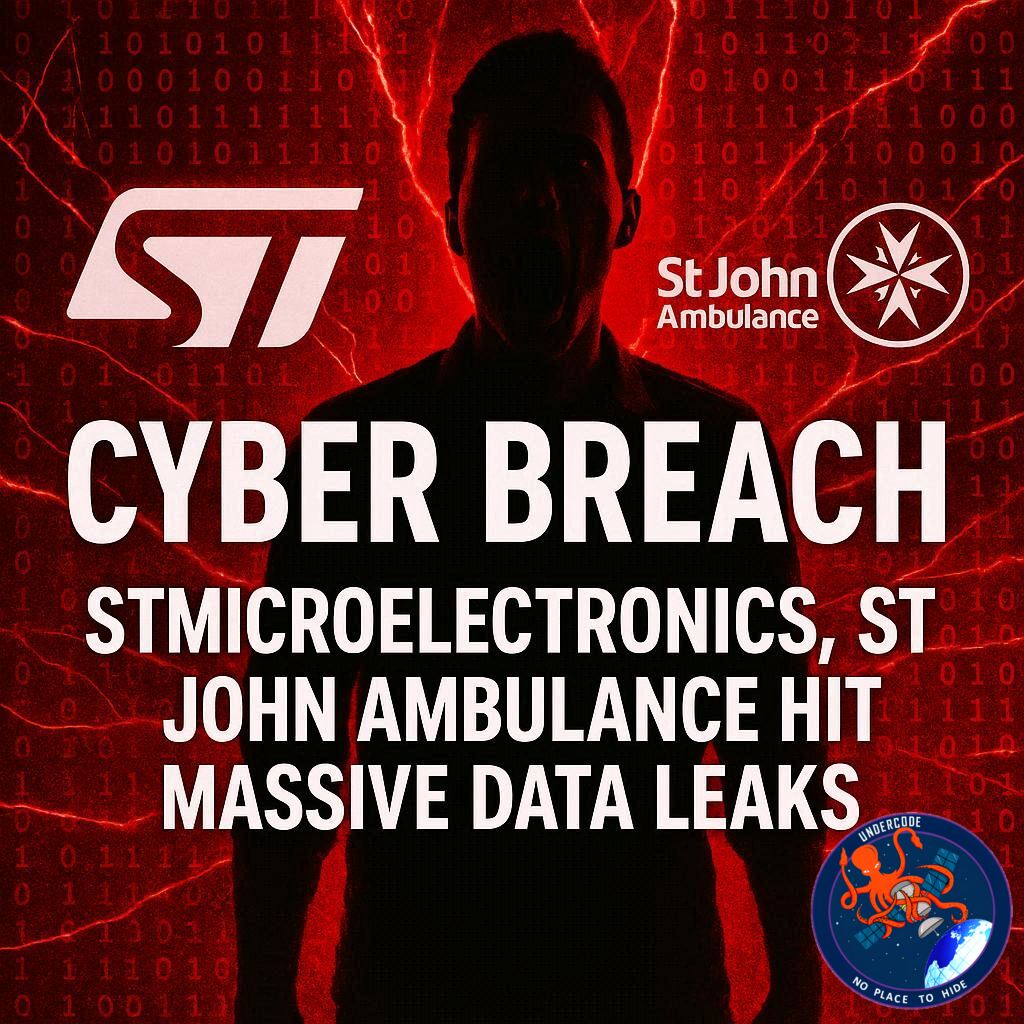
In today’s digital battleground, even the biggest corporations and humanitarian organizations are no longer safe from the dark web’s relentless wave of cyberattacks. Recent reports reveal that semiconductor giant STMicroelectronics and the well-known non-profit St. John Ambulance Canada have allegedly fallen victim to devastating data breaches. These incidents expose thousands of sensitive files and records, raising global concerns about data security, corporate espionage, and the safety of humanitarian organizations that handle personal information.
Breaking Down the Allegations
STMicroelectronics Breach
According to Dark Web Intelligence, STMicroelectronics, a global leader in semiconductor manufacturing, has allegedly suffered a breach that resulted in over 18,000 internal files being leaked. The compromised data reportedly includes:
Confidential corporate documents
Presentations outlining strategic plans
Sales data exposing business performance
Such exposure could potentially provide competitors and malicious actors with deep insights into company operations, R\&D projects, and global supply chain vulnerabilities.
St. John Ambulance Canada Breach
In a separate but equally alarming case, St. John Ambulance Canada was allegedly targeted by cybercriminals. Reports suggest that data from 17,000 users has been leaked online. This breach could put at risk sensitive information such as medical training records, volunteer data, and potentially personal contact information of individuals connected to the charity.
Growing Trend of Targeted Attacks
These dual incidents reflect a rising trend: hackers are no longer only chasing financial institutions but are increasingly targeting corporations with intellectual property and humanitarian organizations with personal data. Both sectors hold highly valuable information—whether for profit, espionage, or manipulation.
What Undercode Say:
Cybersecurity experts analyzing the breaches warn that these incidents may have long-lasting repercussions. The semiconductor industry, in particular, is a critical pillar of global technology infrastructure. If STMicroelectronics’ proprietary data reaches competitors or hostile state actors, it could disrupt innovation cycles, weaken market dominance, and even threaten national security where these chips are used in defense and telecommunications.
For St. John Ambulance Canada, the breach is equally concerning, but for different reasons. Non-profits often lack the same cybersecurity defenses as large corporations, making them attractive targets. Exposing the records of 17,000 users could erode public trust, discourage volunteers, and impact the organization’s credibility in delivering life-saving first aid training.
Cybercriminals thrive on exploiting weaknesses, and these attacks illustrate how no sector is immune. The fact that files are being leaked—not just stolen—suggests that attackers are seeking notoriety and influence in underground networks, rather than purely financial gain.
From a geopolitical standpoint, these breaches could also be viewed as cyber sabotage. Semiconductor companies are strategically important in the global supply chain, while humanitarian organizations maintain soft power and societal trust. Undermining both at once may not be coincidental—it could reflect a broader trend of destabilization.
Another key takeaway is the ripple effect of such breaches. Competitors may scour leaked data for intelligence, journalists may uncover scandals, and regulators could impose heavy fines or restrictions. For businesses, this highlights the urgent need for layered security systems, dark web monitoring, and rapid response strategies.
At a societal level, individuals affected by the breaches face personal risks such as phishing attacks, identity theft, and fraud attempts. The St. John Ambulance case is particularly worrying in this context, as the victims are likely everyday citizens and volunteers rather than corporate insiders.
Ultimately, these events signal a wake-up call. Companies and organizations of every size must treat cybersecurity not as a luxury but as a core responsibility. Failure to do so will not just cost money but also trust, reputation, and in some cases, national security.
✅ Fact Checker Results
The reports about both breaches originated from Dark Web Intelligence.
No official confirmation has yet been issued by the affected organizations.
The claims remain allegations until independently verified.
🔮 Prediction
Cyberattacks like these will likely intensify in the coming years, with hackers increasingly targeting industries of strategic importance such as semiconductors, healthcare, and non-profits. Expect governments to tighten cybersecurity regulations, while corporations will need to invest heavily in proactive monitoring of the dark web. Meanwhile, humanitarian organizations may face growing pressure to secure personal data with enterprise-level protections. The battle between cyber defense and offense is only just heating up.
🕵️📝✔️Let’s dive deep and fact‑check.
References:
Reported By: x.com
Extra Source Hub:
https://www.quora.com/topic/Technology
Wikipedia
OpenAi & Undercode AI
Image Source:
Unsplash
Undercode AI DI v2
🔐JOIN OUR CYBER WORLD [ CVE News • HackMonitor • UndercodeNews ]
📢 Follow UndercodeNews & Stay Tuned:
𝕏 formerly Twitter 🐦 | @ Threads | 🔗 Linkedin | 🦋BlueSky | 🐘Mastodon


