
Listen to this Post
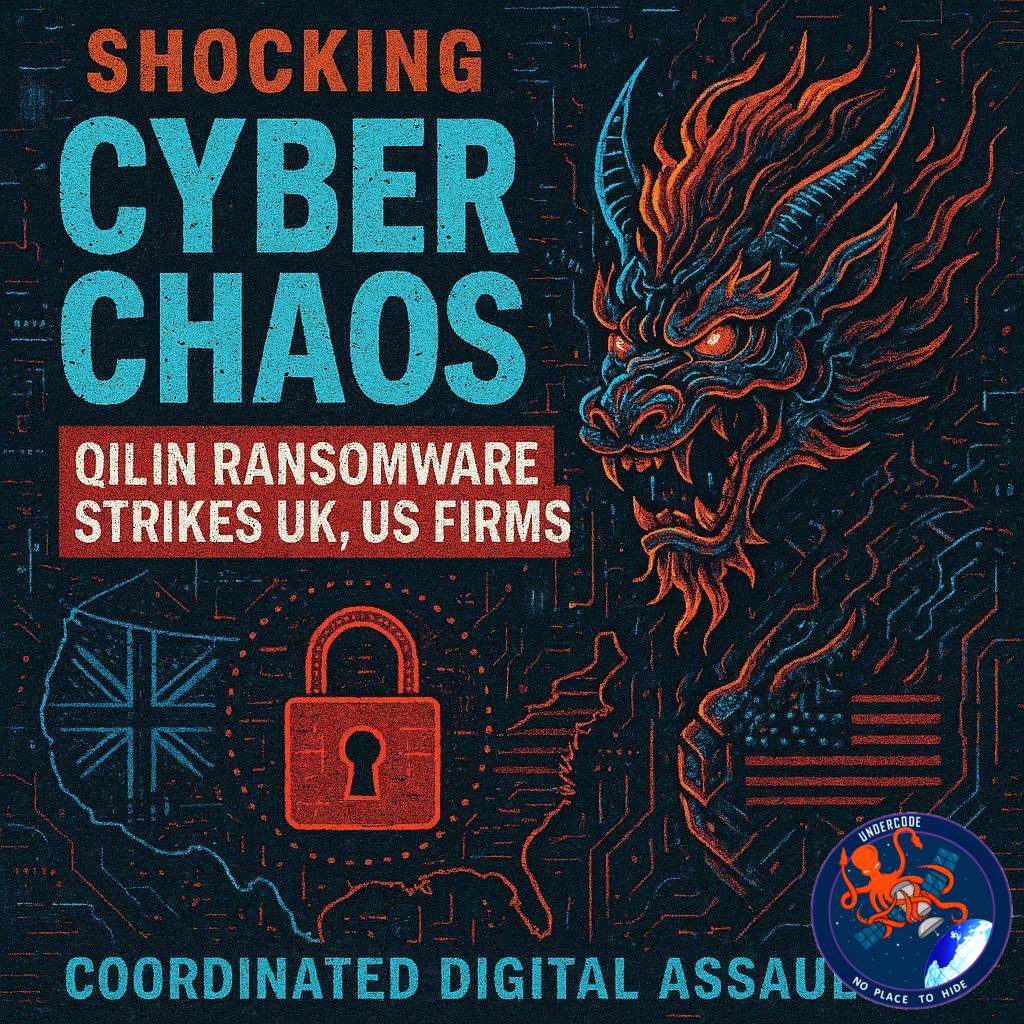
Explosive Cybersecurity Wave Hits Industrial and Architectural Sectors
A new wave of ransomware attacks has sent shockwaves through both the United Kingdom and the United States, with multiple organizations reportedly impacted by the Qilin ransomware group. The incidents, which targeted LTJ Industrial Services in the UK and Johnson Carter Architects in the US, highlight the growing scale and coordination of modern cybercrime operations. According to cybersecurity monitoring sources, both attacks resulted in operational disruption, restricted access to critical systems, and suspected data compromise. The simultaneous emergence of these cases signals an alarming escalation in ransomware campaigns targeting mid-sized businesses across essential service sectors.
Massive Incident Summary: What the Reports Reveal (Extended Overview)
LTJ Industrial Services in the United Kingdom reportedly became a victim of a ransomware attack attributed to the Qilin cybercriminal group, causing significant disruption across its internal operations and limiting access to key organizational data. Employees were reportedly unable to access essential systems, suggesting a coordinated encryption-based attack designed to lock internal infrastructure. In a separate but similar incident, Johnson Carter Architects in the United States also reportedly suffered a Qilin-linked ransomware breach, leading to operational interruptions and system-level damage affecting design and project workflows. Both incidents are believed to have originated from the same ransomware-as-a-service ecosystem, indicating possible shared infrastructure or overlapping threat actor tactics. Cybersecurity researchers cited on social platforms suggest that Qilin continues to expand its targeting profile, focusing on industries that rely heavily on digital project management and sensitive client data. The attacks reportedly involved data encryption, potential data exfiltration, and ransom demands, although exact figures and negotiation outcomes have not been publicly disclosed. Observers note that these incidents are part of a broader trend of ransomware groups increasing pressure on organizations by combining data theft with operational shutdowns. The timing of both attacks, reported within a short window, raises concerns about coordinated campaign activity or opportunistic exploitation of similar vulnerabilities across sectors. Security analysts emphasize that industrial service providers and architectural firms are particularly vulnerable due to their reliance on interconnected cloud systems and legacy software integrations. No confirmed recovery timeline has been released, and both organizations are believed to be actively working with cybersecurity responders to restore functionality and assess damage. The incidents underscore the persistent threat ransomware actors pose to global business continuity and data integrity.
What Undercode Says:
Escalation of Ransomware-as-a-Service Models
The Qilin incidents reflect how ransomware-as-a-service platforms are lowering barriers for cybercriminal operations, enabling rapid scaling across countries and industries.
Target Selection Strategy and Sector Vulnerability
Attacks on industrial services and architectural firms suggest threat actors are prioritizing organizations with high operational dependency on digital systems but weaker cyber defense maturity.
Coordinated Timing and Attack Efficiency
The near-simultaneous reports indicate either coordinated campaigns or shared exploit kits being deployed across multiple regions within short operational windows.
Business Disruption as Primary Weapon
Modern ransomware groups are increasingly focusing on operational paralysis rather than just data theft, maximizing pressure on victims to pay ransoms quickly.
Expanding Global Attack Surface
The geographic spread between the UK and US highlights how ransomware networks now operate without regional limitation, exploiting global connectivity.
Data Exposure Risks Beyond Encryption
Even when systems are restored, potential data leaks create long-term reputational and legal risks for affected organizations.
Increasing Pressure on Mid-Sized Firms
Mid-tier companies appear to be increasingly targeted due to limited cybersecurity budgets compared to large enterprises.
Cyber Insurance and Response Challenges
Rising incidents like these are forcing organizations to reassess insurance coverage and incident response preparedness.
Dependency on Digital Infrastructure
Heavy reliance on cloud-based workflows increases attack impact severity when ransomware strikes core systems.
Evolving Criminal Ecosystem Complexity
Groups like Qilin demonstrate how ransomware ecosystems are becoming structured, professionalized, and highly adaptive.
Fact Checker Results
Attribution Uncertainty in Cyber Claims
Reports of Qilin attribution are based on cybersecurity monitoring sources and may not yet be independently verified by official investigations.
Operational Impact Claims
Disruption reports are consistent with ransomware behavior patterns, but exact system damage levels remain undisclosed.
Cross-Region Attack Link
While timing suggests coordination, no confirmed technical evidence publicly proves a single unified campaign.
Prediction
Rising Frequency of Multi-Country Ransomware Waves
Ransomware groups are expected to increase simultaneous attacks across multiple countries to maximize global disruption and pressure.
Expansion into Mid-Sized Business Targets
Future campaigns will likely continue shifting toward mid-tier companies with weaker cybersecurity defenses but valuable operational data.
Intensification of Data Leak Extortion Tactics
Beyond encryption, attackers will increasingly rely on threatening data publication as a primary leverage strategy against victims.
🕵️📝Let’s dive deep and fact‑check.
References:
Reported By: x.com
Extra Source Hub (Possible Sources for article):
https://www.stackexchange.com
Wikipedia
OpenAi & Undercode AI
Image Source:
Unsplash
Undercode AI DI v2
Bing
🔐JOIN OUR CYBER WORLD [ CVE News • HackMonitor • UndercodeNews ]
📢 Follow UndercodeNews & Stay Tuned:
𝕏 formerly Twitter 🐦 | @ Threads | 🔗 Linkedin | 🦋BlueSky | 🐘Mastodon


