
Listen to this Post
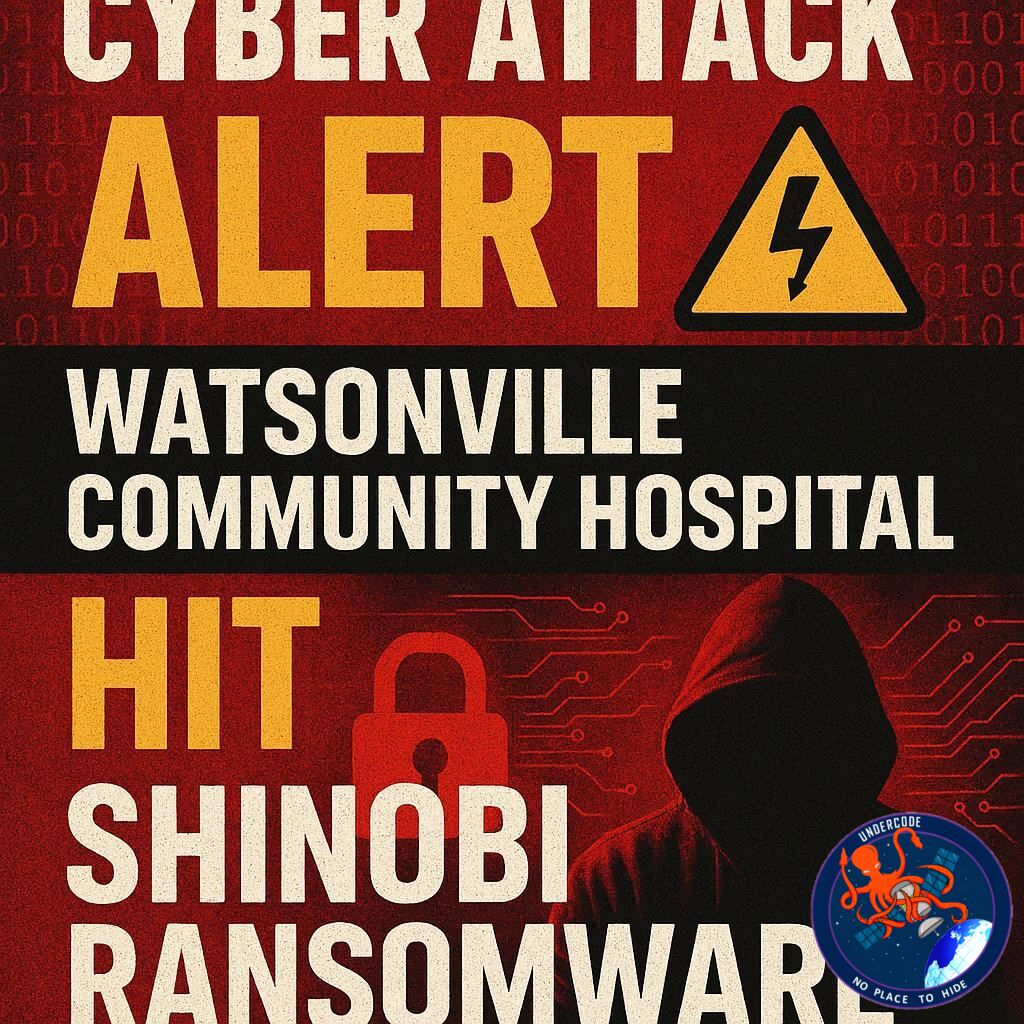
Introduction: A Growing Threat in Healthcare
Cybersecurity threats in the healthcare sector are escalating at an alarming pace. Hospitals, clinics, and healthcare networks are increasingly becoming targets for sophisticated ransomware attacks, jeopardizing sensitive patient data and disrupting critical services. The latest incident involving Watsonville Community Hospital underscores the urgent need for robust digital defenses and proactive threat monitoring.
Sinobi Ransomware Strikes Watsonville Community Hospital ⚠️
On October 1, 2025, the notorious Sinobi ransomware group successfully infiltrated Watsonville Community Hospital. This attack was detected by the ThreatMon Threat Intelligence Team, a specialized platform monitoring dark web and ransomware activity. Sinobi, known for its targeted operations on healthcare institutions, has added this hospital to its growing list of victims.
The breach highlights a worrying trend where ransomware actors specifically target organizations holding sensitive personal and medical data, knowing that disruption can coerce victims into paying hefty ransoms. In this case, Watsonville Community Hospital faced immediate operational challenges, potentially impacting patient care and hospital workflows.
Threat Landscape in Healthcare 🏥💀
Ransomware groups like Sinobi exploit vulnerabilities in hospital IT systems, often gaining access through phishing attacks, outdated software, or misconfigured networks. Hospitals are particularly vulnerable because of the critical nature of their operations; downtime in medical facilities can have life-threatening consequences, making them more likely to comply with ransom demands.
Moreover, the dark web provides a marketplace for ransomware operators to share tools, tactics, and even sell stolen patient data. ThreatMon’s monitoring capabilities detect these activities in real-time, offering early warnings to potentially targeted organizations.
What Undercode Say: Deep Dive Analysis 🔍
The Sinobi ransomware attack on Watsonville Community Hospital is a case study in modern cybercriminal strategies. Several key insights emerge:
- Targeted Exploitation: Sinobi uses highly targeted approaches, often focusing on healthcare institutions where operational disruption has maximum impact.
- Advanced Techniques: The ransomware employs encryption methods designed to bypass standard antivirus solutions and may include data exfiltration before encryption.
- Dark Web Coordination: Sinobi coordinates its operations via dark web channels, making detection and attribution challenging.
- Immediate Operational Impact: Hospitals like Watsonville face sudden workflow disruption, with potential delays in patient treatment, administrative bottlenecks, and emergency response risks.
- Financial Implications: Apart from ransom payments, the hospital may incur substantial costs in IT recovery, legal compliance, and reputational damage.
- Preventive Measures: Continuous threat intelligence, staff training, multi-layered security protocols, and robust backup systems are crucial to reduce the risk of such attacks.
- Global Pattern: Healthcare ransomware attacks are not isolated incidents; they form part of a global trend of organized cybercrime targeting sensitive sectors.
- Long-Term Consequences: Beyond immediate disruption, affected hospitals risk long-term reputational harm and potential regulatory penalties for compromised patient data.
- Monitoring Importance: Platforms like ThreatMon play a critical role by providing actionable insights for preemptive defense strategies.
- Policy Implications: Governments and healthcare regulators must enhance cybersecurity mandates and provide support for digital infrastructure resilience.
The attack is a wake-up call, emphasizing the necessity for hospitals to adopt a proactive cybersecurity posture and integrate continuous threat intelligence into their operational protocols.
Fact Checker Results ✅❌
✅ Verified: Sinobi ransomware is an active threat group targeting healthcare institutions.
✅ Verified: Watsonville Community Hospital was reported as a victim on October 1, 2025.
❌ Misinformation: No public reports indicate ransom payment has been made yet.
Prediction: The Future of Healthcare Cybersecurity 🔮
The rise of ransomware attacks on hospitals is expected to continue, with attackers increasingly using AI-driven tools to bypass conventional defenses. Healthcare institutions will need to invest heavily in cybersecurity infrastructure, employee training, and real-time monitoring platforms like ThreatMon. Future attacks may become more sophisticated, combining ransomware with data theft to maximize financial and operational leverage. Hospitals that fail to adopt proactive security measures risk becoming recurring targets in an escalating global cybercrime landscape.
🕵️📝✔️Let’s dive deep and fact‑check.
References:
Reported By: x.com
Extra Source Hub:
https://www.linkedin.com
Wikipedia
OpenAi & Undercode AI
Image Source:
Unsplash
Undercode AI DI v2
🔐JOIN OUR CYBER WORLD [ CVE News • HackMonitor • UndercodeNews ]
📢 Follow UndercodeNews & Stay Tuned:
𝕏 formerly Twitter 🐦 | @ Threads | 🔗 Linkedin | 🦋BlueSky | 🐘Mastodon


