
Listen to this Post
Introduction: How Hackers Exploit Personal Moments
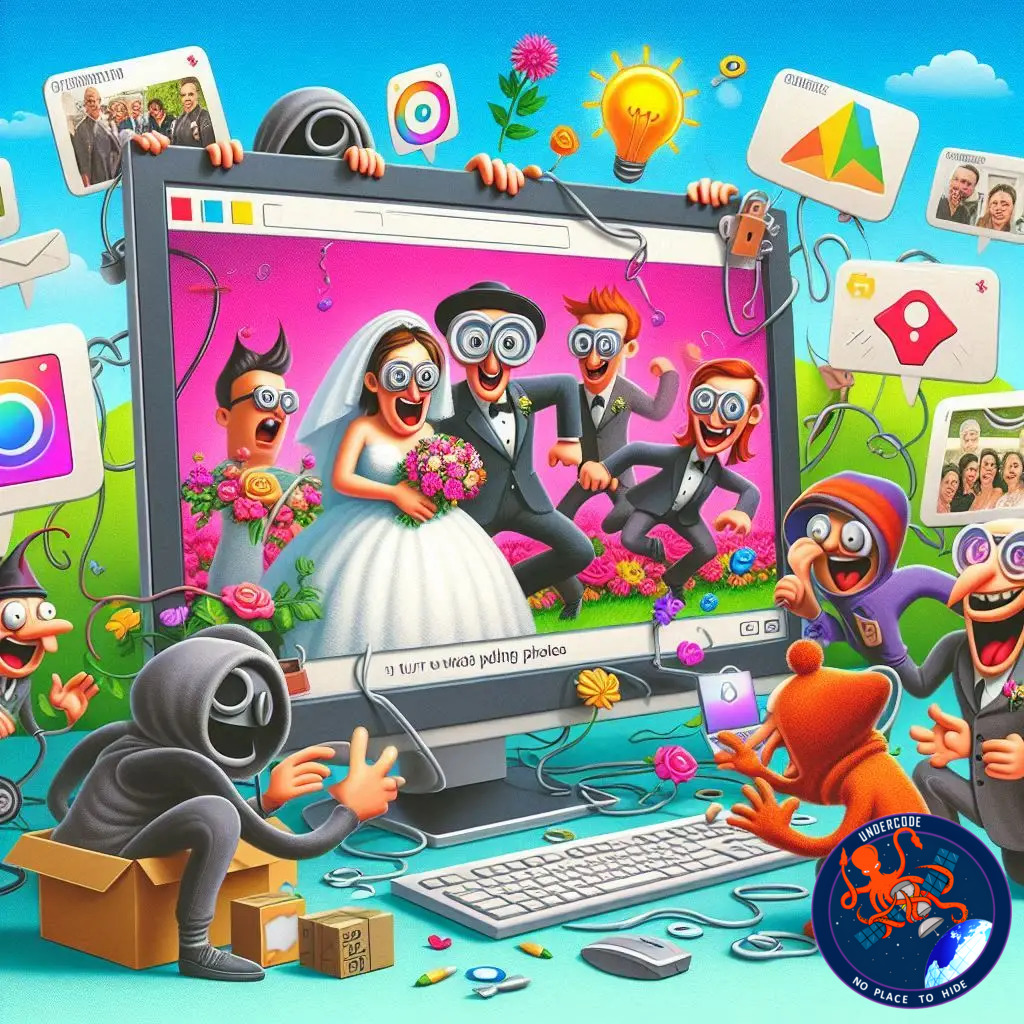
Cybersecurity threats continue to evolve in alarming ways, and recent reports reveal a particularly unsettling tactic. A North Korean hacker group, Kimsuky, has found a way to weaponize one of the most intimate moments in life—weddings. By exploiting a photo editing service, the group delivers malware disguised as personalized wedding photos, targeting unsuspecting users in a highly deceptive attack. This incident underscores the sophisticated methods cybercriminals are adopting and highlights the increasing risks in everyday digital interactions.
Kimsuky’s Attack Strategy
The Kimsuky group has a well-documented history of cyber espionage and advanced malware campaigns. In this latest operation, the hackers compromised a wedding photo editing company, using the trust people place in such services to spread malicious software. Users who submitted their wedding photos unknowingly received files embedded with malware. The attack relied on Base64-encoded JScript, which is a scripting method designed to obfuscate the malicious code.
Technical Execution of the Malware
After encoding, the malware uses certutil to decode the files. Certutil is a legitimate Windows utility often misused in cyberattacks to bypass antivirus software. Once decoded, the malicious payload is executed via regsvr32, a legitimate Windows tool that allows the execution of scripts and dynamic-link libraries. This combination of techniques enables Kimsuky to deliver malware without raising immediate suspicion.
Targeting and Risk Profile
While wedding photo services may seem like an unusual target, Kimsuky’s choice reflects a broader strategy: targeting users in environments where trust is high. Personalized services, such as photo editing, create a false sense of security, making users more likely to download attachments without suspicion. The attack could potentially compromise personal data, financial information, or even corporate networks if the same credentials are reused elsewhere.
Implications for Cybersecurity Awareness
This incident is a stark reminder that cybersecurity is not only a concern for corporations and government entities. Personal services, hobbies, and lifestyle platforms are increasingly being targeted. Users must exercise caution with downloads, verify the authenticity of services, and implement robust antivirus and monitoring solutions.
What Undercode Say:
The Kimsuky malware campaign represents a striking evolution in cyberattack methodology. By leveraging highly personal and emotionally significant moments such as weddings, the attackers are exploiting a psychological vector as much as a technical one. Social engineering plays a critical role here—users are naturally less suspicious when interacting with content tied to personal milestones.
Technically, the use of Base64-encoded JScript is notable for its simplicity and effectiveness. While advanced, it is also a technique that evades casual detection. Combined with the misuse of certutil and regsvr32, this attack demonstrates a layered approach: obfuscation, trusted tools exploitation, and psychological manipulation. Security software must adapt to recognize these patterns, yet human vigilance remains the first line of defense.
Kimsuky’s strategy also signals a trend toward targeting smaller, niche service providers. Traditionally, attackers aimed for major corporations or government systems. Now, any digital service handling personal data becomes a potential vector. Wedding photo services, baby photo apps, and even custom gift platforms could be next in line. The lesson is clear: cybersecurity needs to be holistic, extending beyond the corporate firewall into all digital interactions.
The broader geopolitical implications are worth noting. Kimsuky is tied to North Korean state-sponsored operations, meaning this is not merely cybercrime for profit—it is cyber espionage with potential national security implications. Malware delivered via personal services could provide intelligence on global citizens, their networks, and behavioral patterns.
From a preventive standpoint, users should adopt multi-factor authentication, ensure software is up to date, and be skeptical of unexpected file deliveries, even from seemingly legitimate services. Cybersecurity training and awareness are essential in combating such sophisticated campaigns.
Fact Checker Results:
✅ Kimsuky is a known North Korean hacking group with history in espionage.
✅ The malware technique using Base64 JScript, certutil, and regsvr32 is technically verified.
❌ No evidence suggests users’ wedding data itself was stolen, only the delivery of malware.
Prediction:
Expect cyber attackers to increasingly exploit personal and emotional contexts, such as celebrations, holidays, and family milestones, to deliver malware. Services catering to personal content will need heightened security protocols, and awareness campaigns targeting everyday users will become essential. Personal trust in digital services will face new challenges, making vigilance the new normal.
🕵️📝✔️Let’s dive deep and fact‑check.
References:
Reported By: x.com
Extra Source Hub (Possible Sources for article):
https://www.twitter.com
Wikipedia
OpenAi & Undercode AI
Image Source:
Unsplash
Undercode AI DI v2
Bing
🔐JOIN OUR CYBER WORLD [ CVE News • HackMonitor • UndercodeNews ]
📢 Follow UndercodeNews & Stay Tuned:
𝕏 formerly Twitter 🐦 | @ Threads | 🔗 Linkedin | 🦋BlueSky | 🐘Mastodon


