
Listen to this Post
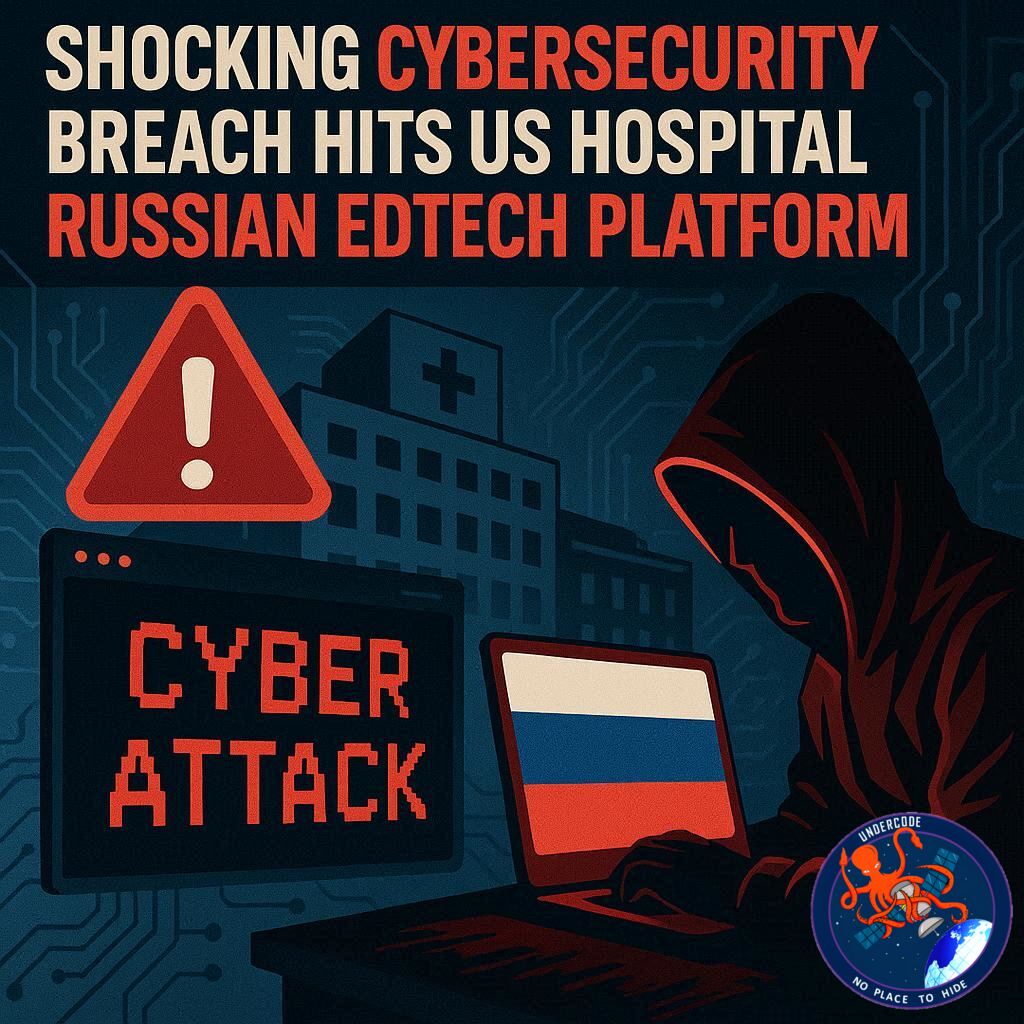
In a startling escalation of cyber threats this week, two major digital attacks have raised alarms across healthcare and education sectors. Modoc Medical Center in Alturas, California, fell victim to a ransomware attack, while a massive data leak from Russia’s Foxford platform threatens the personal information of millions of students. These incidents underscore the persistent vulnerability of institutions handling sensitive data and the growing boldness of cybercriminals worldwide.
Ransomware Paralyzes Modoc Medical Center
Modoc Medical Center, a critical healthcare provider in Northern California, reported that its systems were encrypted by the notorious ransomware group WorldLeaks on February 16, 2026. The attack caused severe disruption to hospital operations, with staff unable to access patient records, schedule procedures, or manage critical care efficiently. According to reports, the ransom demand is unspecified, but the threat includes potential exposure of sensitive patient data, raising concerns over privacy and HIPAA compliance.
The breach highlights the ongoing targeting of hospitals by ransomware gangs, exploiting gaps in cybersecurity measures and the urgent need for data protection protocols. Cybersecurity analysts note that healthcare systems are particularly vulnerable due to the high-stakes nature of patient care, often forcing institutions to comply with ransom demands to restore functionality.
Massive Data Leak Hits Russian EdTech Platform Foxford
Simultaneously, the Russian educational technology platform Foxford is facing a severe data breach. A threat actor operating under the alias Angel_Batista claims to be selling data for 13.6 million users on the Tor network. If confirmed, this would rank as one of the largest education sector breaches of 2024, exposing the personal information of students, educators, and possibly payment details.
The leak exposes significant security failings in the EdTech sector, raising questions about how online learning platforms handle sensitive user data. Security experts warn that compromised accounts could lead to phishing attacks, identity theft, and long-term reputational damage for Foxford. The sale of this data on dark web marketplaces exemplifies how cybercriminals monetize breaches beyond ransomware demands.
Escalating Threats in Healthcare and Education
Both incidents illustrate a disturbing trend: the convergence of high-impact ransomware and large-scale data leaks. Hospitals and EdTech companies are prime targets because they store massive amounts of sensitive personal information. While ransomware attacks often demand immediate payouts, breaches like Foxford’s turn user data into a long-term commodity for criminals.
The attacks also demonstrate the importance of proactive cybersecurity measures, including network segmentation, regular data backups, multi-factor authentication, and employee training. With attackers becoming more sophisticated, institutions must adopt layered security strategies to mitigate both operational disruption and data theft.
Regulatory and Public Response
Regulatory bodies in both the U.S. and Russia are likely to investigate these incidents. In the U.S., HIPAA regulations could impose fines and mandatory reporting for the Modoc Medical Center breach. In Russia, Foxford may face scrutiny from authorities responsible for digital privacy, though enforcement historically remains uneven. Public reaction, particularly from affected patients and students, will add pressure on these organizations to strengthen their cybersecurity postures.
What Undercode Says:
Healthcare Sector Vulnerabilities
The Modoc Medical Center attack is symptomatic of systemic vulnerabilities in U.S. healthcare cybersecurity. Many hospitals operate with outdated infrastructure and limited IT budgets, creating ideal targets for ransomware groups. Even minor lapses in patch management or network segmentation can provide attackers with full access to critical systems.
EdTech Data Security Risks
The Foxford breach reveals a blind spot in global EdTech security. Educational platforms often prioritize scalability and user engagement over stringent data protection, leaving millions of accounts exposed. The monetization of stolen educational data signals that attackers are diversifying their revenue streams, targeting not just immediate ransom payments but also long-term sales of personal information.
Implications for Cybercrime Evolution
Together, these events suggest a more sophisticated cybercrime ecosystem where ransomware and data resale co-exist. Cybercriminals are increasingly targeting sectors previously considered less lucrative, leveraging automation and dark web marketplaces to maximize profit while remaining anonymous.
Strategic Recommendations for Organizations
Institutions must adopt zero-trust security frameworks and conduct regular penetration testing. Staff training remains critical, as phishing and social engineering remain the top initial vectors for breaches. For healthcare, encrypted backups and rapid incident response plans can prevent operational collapse, while EdTech companies need stricter access controls and real-time monitoring of data exfiltration.
Long-Term Industry Impact
These attacks may accelerate regulatory reform and drive investment in cybersecurity insurance and third-party auditing. Organizations that fail to modernize their defenses could face significant financial and reputational losses, while those that anticipate threats may gain a competitive edge by reassuring clients and users about their commitment to data protection.
🔍 Fact Checker Results
✅ Modoc Medical Center reported a ransomware attack on Feb 16, 2026.
✅ Foxford’s alleged leak involves 13.6 million users and was advertised on the Tor network.
❌ Exact ransom amounts and verification of data sale have not been independently confirmed.
📊 Prediction
The healthcare and education sectors will likely see an increase in targeted attacks over the next 12–18 months. Hospitals with legacy systems are particularly vulnerable to ransomware, while EdTech platforms could face multiple high-volume breaches unless data protection practices are improved. Organizations that proactively invest in cybersecurity infrastructure and staff training will mitigate both operational and reputational risks, while reactive measures may prove costly.
If you want, I can also generate a chart showing projected ransomware attacks in healthcare vs. EdTech for 2026.
🕵️📝✔️Let’s dive deep and fact‑check.
References:
Reported By: x.com
Extra Source Hub (Possible Sources for article):
https://www.reddit.com
Wikipedia
OpenAi & Undercode AI
Image Source:
Unsplash
Undercode AI DI v2
Bing
🔐JOIN OUR CYBER WORLD [ CVE News • HackMonitor • UndercodeNews ]
📢 Follow UndercodeNews & Stay Tuned:
𝕏 formerly Twitter 🐦 | @ Threads | 🔗 Linkedin | 🦋BlueSky | 🐘Mastodon


