
Listen to this Post
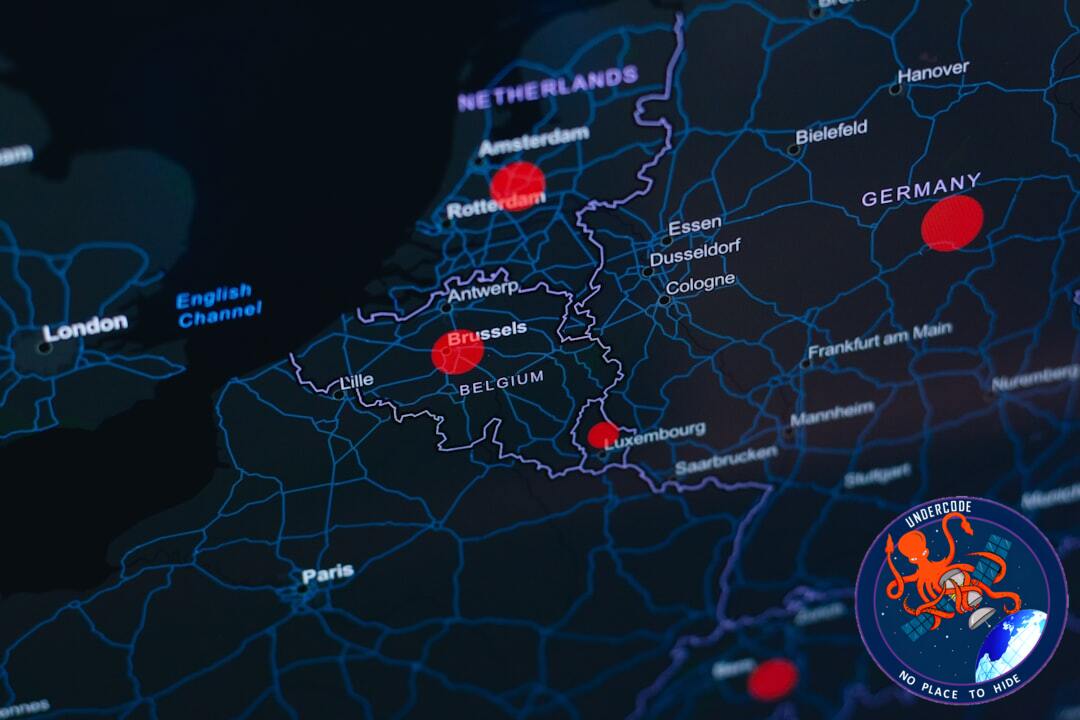
Introduction: Rising Alarm From Hidden Cyber Channels
A cryptic post emerging from a dark web intelligence monitoring account has drawn attention to a possible data breach allegedly linked to the Netherlands. The message, brief and partially redacted, suggests that sensitive data may have been exposed or traded within underground cyber networks. While details remain unclear, the timing and nature of the post have triggered renewed concern among cybersecurity observers who closely track leak-based activity across hidden forums and encrypted marketplaces. The incident highlights how fragmented intelligence snippets can rapidly escalate into broader speculation within the global cyber threat landscape.
the Original Post (Expanded Interpretation)
The original post originates from the account known as “Dark Web Intelligence,” which regularly shares brief alerts related to cyber activity observed across underground networks. In this specific case, the message references the Netherlands alongside a shortened link, implying a potential connection to a dataset, breach, or leaked repository. However, the information provided is incomplete, with no explicit confirmation of what type of data may be involved or how extensive the alleged exposure is.
The post was published in the evening hours and quickly received limited engagement, suggesting either early-stage dissemination or a highly targeted audience. The phrase structure “Data Br…” appears truncated, likely indicating “Data Breach,” though this is not officially confirmed in the visible text. The ambiguity of the message leaves room for interpretation, which is common in dark web intelligence reporting where early signals are often fragmented.
Accounts like this typically monitor illicit marketplaces, ransomware leak sites, and private hacker channels, then publish short summaries to alert cybersecurity communities. In this case, the Netherlands is identified as the geographical focus, but no specific institution, company, or government body is named.
Because of the lack of detail, analysts cannot yet determine whether the claim refers to a verified breach, a rumored dataset, or a recycled leak from previous incidents. The presence of a link suggests external reference material, but without access, its contents remain unknown.
Such posts often function as early warning signals rather than confirmed reports. They may precede public disclosure by days or even weeks, depending on the severity and legitimacy of the data involved.
At this stage, the situation remains speculative, with no official confirmation from Dutch authorities or cybersecurity agencies.
What Undercode Say:
Fragmented Intelligence and Early Signal Noise
The post reflects a common pattern in dark web monitoring where information is intentionally incomplete or partially obscured. These early signals are often designed to attract attention before verification occurs, creating a cycle of speculation across cybersecurity communities.
The Netherlands as a Frequent Cyber Target
The mention of the Netherlands aligns with broader trends where European nations are frequently referenced in leak-based ecosystems. However, without attribution to a specific sector or institution, the risk level cannot be accurately measured at this stage.
Possible Data Breach Lifecycle Stage
If the claim is valid, the post likely represents an early-stage breach disclosure or data auction teaser. These stages typically appear before full datasets are released or sold, indicating potential escalation rather than confirmation.
Role of Dark Web Intelligence Accounts
Accounts like “Dark Web Intelligence” operate as aggregators rather than primary sources. Their posts often condense larger underground conversations into short alerts, which can sometimes amplify unverified claims unintentionally.
Risk of Misinterpretation and Amplification
Due to the lack of context, such posts can be misinterpreted as confirmed incidents. This creates a ripple effect where speculation spreads faster than verification, increasing perceived threat levels without solid evidence.
Cybersecurity Monitoring Implications
For analysts, the key takeaway is not the claim itself but the signal pattern. Monitoring frequency, language structure, and repeated mentions of specific regions can help identify genuine breach activity trends over time.
🔍 Fact Checker Results
❌ No Verified Breach Confirmed
There is no official evidence confirming a data breach in the Netherlands tied to this post.
⚠️ Source Remains Unverified
The dark web intelligence account provides secondary monitoring content, not primary forensic proof.
❓ Claim Should Be Treated as Early-Stage Signal
The information is currently speculative and requires independent validation.
📊 Prediction
If the signal corresponds to a real underground activity cycle, the next 24–72 hours may bring additional leaks, sample datasets, or ransomware group claims referencing the Netherlands. However, there is also a strong possibility that the post remains an unverified teaser with no further development. Increased monitoring activity across cyber threat forums will determine whether this evolves into a confirmed breach or fades as background noise in ongoing dark web intelligence reporting.
▶️ Related Video (80% Match):
🕵️📝Let’s dive deep and fact‑check.
References:
Reported By: x.com
Extra Source Hub (Possible Sources for article):
https://www.medium.com
Wikipedia
OpenAi & Undercode AI
Image Source:
Unsplash
Undercode AI DI v2
Bing
🔐JOIN OUR CYBER WORLD [ CVE News • HackMonitor • UndercodeNews ]
📢 Follow UndercodeNews & Stay Tuned:
𝕏 formerly Twitter 🐦 | @ Threads | 🔗 Linkedin | 🦋BlueSky | 🐘Mastodon | 📺Youtube


