
Listen to this Post
Introduction: Massive Cybersecurity Alarm Hits Academic World
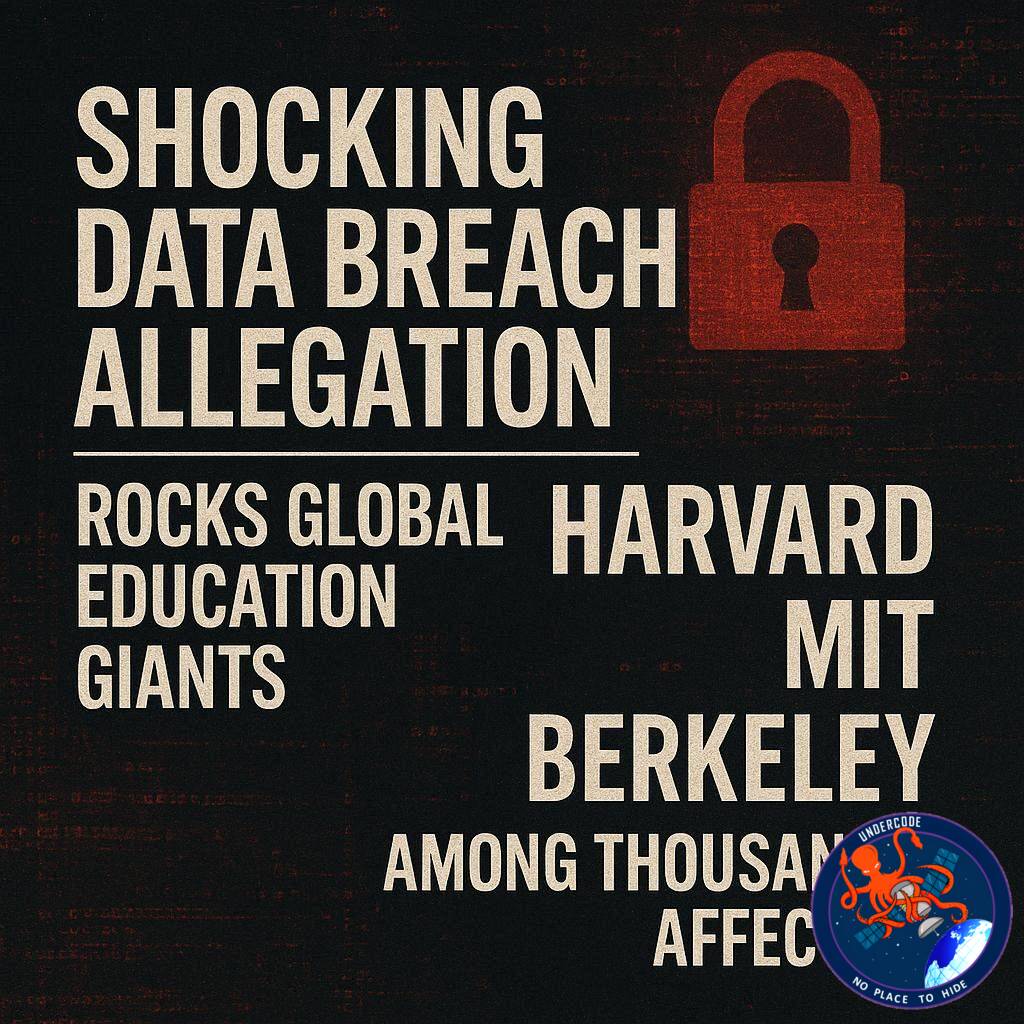
A major cybersecurity allegation has surfaced involving one of the most widely used educational platforms in the world. Reports claim that Instructure’s Canvas system may have been compromised, potentially exposing sensitive data from thousands of academic institutions. Among the affected names are globally recognized universities such as Harvard, MIT, Columbia, and UC Berkeley. The cyber threat group known as ShinyHunters is reportedly behind the claim, further escalating concerns across the digital education infrastructure. With a payment deadline reportedly extended to May 12, the situation raises serious questions about data security in academic ecosystems and the rising sophistication of cybercriminal operations targeting education systems.
Breach Reports
The cybersecurity landscape has been shaken by claims originating from threat actors identifying as ShinyHunters, who allege they have breached Instructure’s Canvas learning management platform. Canvas is widely used across educational institutions globally, reportedly serving nearly 9,000 schools and universities. According to the claims, sensitive data belonging to students, faculty, and administrative systems may have been compromised in this incident. The list of affected institutions allegedly includes elite universities such as Harvard University, Massachusetts Institute of Technology (MIT), Columbia University, and the University of California, Berkeley, highlighting the potential scale and severity of the breach. Reports suggest that the attackers have issued a payment demand, extending the deadline to May 12, implying a possible extortion or ransom scenario. While the exact nature of the data exposure has not been independently confirmed, the alleged incident underscores growing vulnerabilities in centralized education platforms. The situation has sparked widespread concern among cybersecurity experts, particularly given the reliance of academic institutions on cloud-based learning systems. If verified, this breach could represent one of the most significant education-sector cyber incidents in recent years, affecting millions of students and staff worldwide. The broader implications include risks of identity exposure, academic record manipulation, and institutional operational disruption. The lack of immediate official confirmation adds further uncertainty, but the scale of the claim alone has already triggered heightened scrutiny across the global education technology ecosystem.
What Undercode Says: Cybersecurity Reality Behind the Canvas Allegation
Centralization Risk in Education Platforms
The alleged Canvas breach highlights a structural vulnerability in modern education systems: over-reliance on centralized SaaS platforms. When thousands of institutions depend on a single infrastructure provider, the attack surface becomes significantly more attractive to threat actors. Even a partial compromise can ripple across global institutions instantly.
ShinyHunters and the Economics of Data Extortion
Groups like ShinyHunters are not traditional hackers seeking disruption alone—they operate within a data monetization ecosystem. The reported payment deadline extension suggests negotiation tactics often seen in ransomware-style operations. This reflects how data is now treated as a financial asset rather than just information.
Scale Amplification Through Educational Networks
The inclusion of nearly 9,000 institutions demonstrates how education networks amplify breach consequences. Unlike isolated corporate systems, academic platforms interconnect students, faculty, research data, and administrative records. A single breach claim can therefore affect multiple layers of sensitive identity ecosystems.
Trust Erosion in Digital Learning Environments
If such claims continue to emerge, trust in digital learning platforms may weaken. Universities increasingly depend on systems like Canvas for grading, communication, and academic record management. Any perceived instability directly impacts confidence in digital transformation efforts in education.
Regulatory Pressure and Compliance Gaps
Education technology often operates across multiple jurisdictions, making regulatory enforcement complex. A breach of this scale could trigger compliance investigations under data protection frameworks in the US, EU, and beyond. However, enforcement speed typically lags behind real-time cyber incidents.
Potential Attack Vectors and Exploitation Patterns
Although details remain unverified, such breaches often stem from credential theft, API vulnerabilities, or misconfigured cloud storage. Attackers increasingly exploit weak identity management systems rather than directly breaking encryption, shifting focus toward human-system interaction flaws.
Psychological Impact on Academic Communities
Beyond technical damage, the psychological impact on students and faculty is often underestimated. Fear of data exposure can reduce trust in digital tools, slow adoption of educational technologies, and increase resistance to cloud-based academic systems.
Cybersecurity Preparedness Gap in Education Sector
Compared to finance or healthcare, education often underinvests in cybersecurity infrastructure. This gap makes universities attractive targets despite handling equally sensitive personal and research data. The Canvas allegation reinforces this long-standing imbalance.
🔍 Fact Checker Results
Verification Status: Unconfirmed Claim
The alleged breach has not yet been independently verified by Instructure or major cybersecurity authorities.
Source Reliability Concerns
Claims originate from threat actor channels, which are historically inconsistent and sometimes exaggerated.
Impact Assessment Still Preliminary
No confirmed evidence currently validates the scale involving 9,000 institutions or elite universities.
📊 Prediction: What Happens Next in This Cybersecurity Crisis
If evidence of the breach is substantiated, major educational institutions are likely to initiate emergency security audits and forced credential resets across affected systems. Instructure may face increased regulatory scrutiny and pressure to disclose technical breach details publicly. Cybersecurity firms will likely escalate monitoring of education-sector platforms, anticipating follow-up attacks or data leaks. Even if the claim proves partially false, the incident will still intensify investment in decentralized learning infrastructure and zero-trust security models across universities worldwide.
🕵️📝Let’s dive deep and fact‑check.
References:
Reported By: x.com
Extra Source Hub (Possible Sources for article):
https://www.quora.com/topic/Technology
Wikipedia
OpenAi & Undercode AI
Image Source:
Unsplash
Undercode AI DI v2
Bing
🔐JOIN OUR CYBER WORLD [ CVE News • HackMonitor • UndercodeNews ]
📢 Follow UndercodeNews & Stay Tuned:
𝕏 formerly Twitter 🐦 | @ Threads | 🔗 Linkedin | 🦋BlueSky | 🐘Mastodon


