
Listen to this Post
Introduction: A Sudden AI Battle Inside Washington
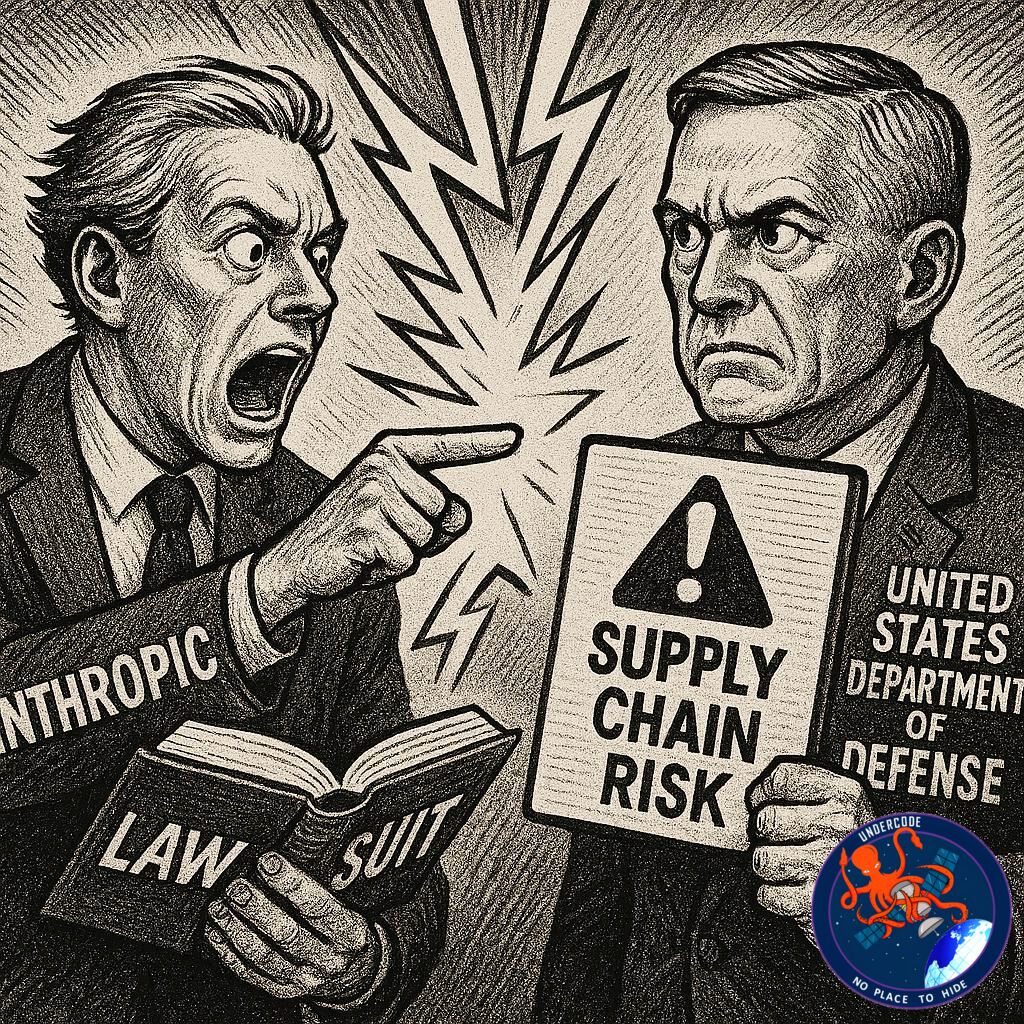
The artificial intelligence industry has become one of the most politically sensitive sectors in the United States, and the latest confrontation shows just how tense the relationship between technology companies and government agencies has become. AI startup Anthropic has launched a lawsuit against the United States Department of Defense and several other federal agencies after being officially labeled a “supply chain risk” during policies introduced under the administration of Donald Trump.
The move has sparked controversy across the tech world. Government officials argue that national security requires strict scrutiny of emerging AI developers, while Anthropic claims the designation is unjustified and damaging to its reputation and business relationships. The legal fight highlights a much larger struggle over control, trust, and regulation in the rapidly evolving AI economy.
Government Classification That Sparked the Lawsuit
The dispute began when federal authorities categorized Anthropic as a potential “supply chain risk,” a designation that can significantly limit a company’s ability to work with government agencies. Such labels are usually reserved for organizations suspected of security vulnerabilities or connections that could threaten federal infrastructure.
Anthropic argues that the label was applied unfairly and without adequate justification. According to the company, the classification could prevent it from participating in critical government contracts and collaborations related to artificial intelligence technologies.
Why the Label Matters for AI Companies
Being designated as a supply chain risk carries enormous consequences for technology companies operating in government ecosystems. Federal agencies rely heavily on trusted vendors, especially in areas tied to cybersecurity, data processing, and national defense.
If a company is viewed as a potential risk, government departments may avoid using its software, models, or infrastructure entirely. For AI firms like Anthropic, which aim to provide advanced language models and machine learning tools, the label could effectively block access to one of the most lucrative markets in the world.
Anthropic’s Legal Challenge Against Federal Agencies
Anthropic has filed a lawsuit challenging the decision, arguing that the federal government failed to provide transparent reasoning for the designation. The company claims the process lacked due process and could harm its competitive standing in the AI industry.
The lawsuit seeks to overturn the classification and prevent federal agencies from enforcing restrictions based on the supply chain risk designation. By taking the matter to court, Anthropic hopes to restore its credibility and secure the ability to work with government institutions.
The Role of Federal Security Concerns
Government agencies frequently evaluate technology providers to ensure national security risks are minimized. AI systems, which can process enormous volumes of sensitive data, present particularly complex security concerns.
Officials may fear vulnerabilities ranging from data leaks to external influence or unauthorized access. In the context of geopolitical competition and technological rivalry, federal agencies often adopt cautious approaches toward emerging AI vendors.
Media Coverage of the Dispute
The controversy gained wider attention through coverage by major news organizations. Reports from CNN and technology journalists such as Lisa Eadicicco highlighted the legal clash and its potential implications for the AI industry.
The story underscores growing tensions between Washington policymakers and Silicon Valley companies that are rapidly shaping the future of artificial intelligence.
What Undercode Says:
A Legal Fight That Reflects the AI Power Struggle
The lawsuit filed by Anthropic is not simply about a single classification dispute. It represents a deeper power struggle over who ultimately controls the development and deployment of artificial intelligence technologies. Governments want oversight and security assurances, while AI companies want freedom to innovate and compete.
As AI capabilities expand, this conflict will likely intensify rather than fade.
National Security vs. Innovation
From the perspective of federal agencies, caution is understandable. AI systems can influence defense planning, intelligence analysis, cybersecurity, and economic infrastructure. A single compromised system could theoretically expose sensitive national data.
However, overly aggressive restrictions could also slow technological progress. If innovative companies fear sudden blacklisting or opaque classifications, they may hesitate to collaborate with government institutions altogether.
Reputation Damage in the AI Industry
One of the biggest risks for Anthropic is reputational harm. Even if the company eventually wins its case, the mere presence of a government risk label can create doubts among partners, investors, and clients.
In fast-moving industries like AI, reputation is closely tied to trust. A suggestion that a company poses a supply chain risk—even if unproven—can alter how the market perceives its technology.
The Hidden Economic Stakes
Government contracts represent enormous financial opportunities for technology firms. Defense agencies and federal departments spend billions of dollars annually on advanced computing tools, cloud infrastructure, and AI development.
Being excluded from that ecosystem could dramatically affect a
Political Legacy and Policy Continuity
Although the policies behind the classification originated during the administration of Donald Trump, the legal implications extend beyond a single presidency. Government security frameworks often remain in place long after political leadership changes.
This means that companies must navigate regulatory decisions that may outlast the political climate in which they were created.
The Rising Regulation of Artificial Intelligence
The lawsuit also reflects a broader trend: governments around the world are tightening regulations around AI technologies. Concerns range from national security and data privacy to misinformation and automation risks.
As regulatory frameworks expand, more conflicts between AI developers and government agencies are almost inevitable.
Silicon Valley’s Growing Friction With Washington
Historically, technology companies enjoyed relatively loose oversight while building global platforms. That era is quickly disappearing as artificial intelligence becomes strategically important to national economies and defense systems.
The Anthropic case could become a defining example of how governments assert control over AI companies operating within their jurisdictions.
The Potential Precedent for Future AI Lawsuits
If Anthropic succeeds in challenging the supply chain designation, it could create an important legal precedent. Other companies facing similar government classifications may feel empowered to fight back in court.
On the other hand, if the government wins, agencies could gain stronger authority to restrict AI vendors based on security concerns.
🔍 Fact Checker Results
✅ Verified: Anthropic Filed a Lawsuit
Reports confirm that Anthropic has legally challenged federal agencies regarding the “supply chain risk” designation.
✅ Verified: Government Security Reviews Exist
Federal agencies such as the United States Department of Defense routinely evaluate technology providers for national security risks.
❌ Unverified: Specific Security Evidence
Public reports have not disclosed detailed evidence explaining why Anthropic was labeled a supply chain risk.
📊 Prediction
🚀 AI Lawsuits Will Increase Rapidly
As artificial intelligence becomes central to national security and economic competition, legal battles between governments and AI companies will likely multiply.
🏛 Governments Will Expand Vendor Scrutiny
More AI firms may face security reviews, background checks, and risk classifications before receiving government contracts.
⚖ Courts May Become the New AI Battleground
Judicial rulings could increasingly shape how artificial intelligence companies interact with regulators, defining the balance between innovation and national security for years to come.
🕵️📝✔️Let’s dive deep and fact‑check.
References:
Reported By: edition.cnn.com
Extra Source Hub (Possible Sources for article):
https://www.discord.com
Wikipedia
OpenAi & Undercode AI
Image Source:
Unsplash
Undercode AI DI v2
Bing
🔐JOIN OUR CYBER WORLD [ CVE News • HackMonitor • UndercodeNews ]
📢 Follow UndercodeNews & Stay Tuned:
𝕏 formerly Twitter 🐦 | @ Threads | 🔗 Linkedin | 🦋BlueSky | 🐘Mastodon


