
Listen to this Post
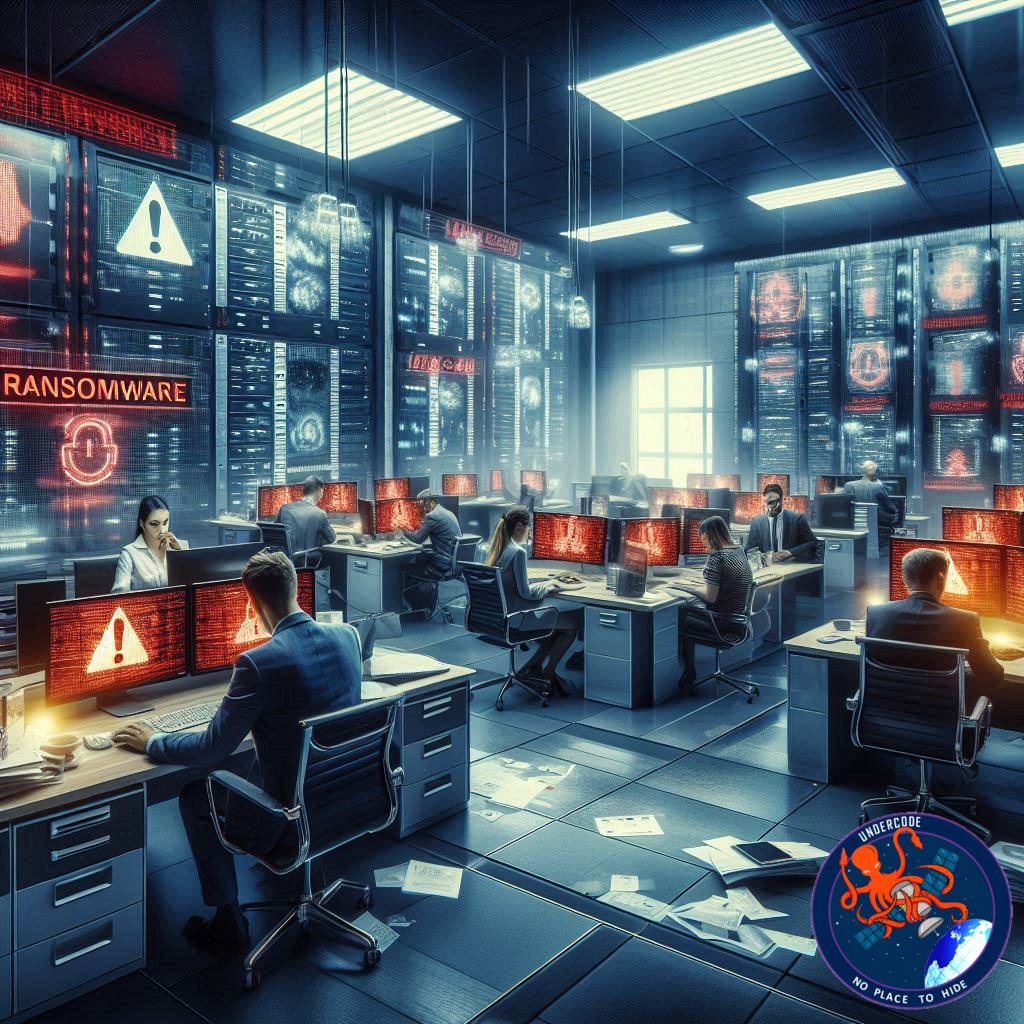
Introduction: A Wake-Up Call for Europe’s Healthcare Sector
A major ransomware attack has sent shockwaves through Spain’s pharmaceutical industry after Novelty Technology Care España reportedly suffered a crippling cyber intrusion. The incident, revealed on January 11, 2026, highlights the growing threat facing healthcare and biotech firms, which increasingly hold valuable intellectual property and sensitive patient data. As cybercriminals continue targeting critical sectors, this attack serves as a stark reminder that even highly regulated industries are not immune.
the Original Report
The cybersecurity-focused account @TweetThreatNews reported that Novelty Technology Care España, a pharmaceutical company based in Spain, was hit by a ransomware attack that caused widespread disruption.
According to the post, attackers successfully encrypted large volumes of the company’s data, severely impacting internal operations and potentially halting business processes.
The breach was officially uncovered on January 11, 2026, suggesting that the attackers may have had access to internal systems before detection.
The source of the information is linked to hendryadrian.com, a website known for monitoring cybersecurity incidents and threat intelligence updates.
While specific details about the ransomware group responsible were not disclosed, the impact was described as “major,” indicating a high level of system compromise.
The post included hashtags such as Ransomware, PharmaAttack, and Spain, underscoring the significance of the event within the cybersecurity community.
No confirmation was provided regarding data exfiltration, but encryption alone implies serious operational damage.
The tweet also highlights how healthcare and pharmaceutical organizations remain prime targets due to their reliance on continuous digital operations.
Although viewership numbers were relatively low, the information quickly spread among cybersecurity researchers and analysts.
The report did not clarify whether the company paid a ransom or contacted law enforcement.
There was no official statement from Novelty Technology Care España at the time of posting.
Experts speculate that system recovery could take weeks, depending on the extent of backups and disaster recovery protocols.
The tweet adds to a growing list of ransomware incidents affecting European companies.
This case demonstrates the evolving tactics of cybercriminals, who now focus on high-value corporate targets.
The lack of transparency around the attackers leaves room for further investigation.
Industry observers are awaiting more information from the company or Spanish authorities.
The incident reflects broader trends in global cybercrime activity.
Pharmaceutical firms are particularly vulnerable due to their research data and regulatory dependencies.
The attack likely disrupted manufacturing, supply chain management, and internal communications.
Without verified details, the true scope of damage remains unknown.
Cybersecurity professionals continue monitoring the situation for updates.
This attack reinforces concerns about preparedness in the healthcare sector.
Companies are urged to strengthen their cyber defenses following this event.
The breach serves as a warning to organizations operating critical infrastructure.
Public trust could be affected if patient or research data was compromised.
Ransomware continues to dominate cybercrime headlines in 2026.
This case further emphasizes the urgency of digital resilience strategies.
Experts call for improved incident response frameworks.
Regulators may demand transparency from affected companies.
The story remains developing as new details emerge.
What Undercode Say:
Growing Target on Pharma Companies
Pharmaceutical firms have become prime targets for ransomware groups because they operate under strict deadlines, regulatory pressure, and high-value intellectual property. Attackers know these organizations cannot afford prolonged downtime, making them more likely to negotiate or pay ransoms.
Why Healthcare is So Attractive to Hackers
Healthcare and pharma organizations store sensitive research, patient records, and proprietary drug data. This information holds enormous black-market value, turning these companies into gold mines for cybercriminals.
The Real Cost Goes Beyond Money
Operational paralysis can delay drug development, clinical trials, and production schedules. These delays can cost millions and impact patient access to life-saving medications.
Encryption Attacks Are Just the Beginning
Modern ransomware groups rarely stop at encryption. Many now steal data first, threatening public leaks if victims refuse to pay. Even if Novelty Technology Care España recovers systems, reputational damage could be long-lasting.
Possible Entry Points for the Attack
Such breaches often start with phishing emails, compromised VPN credentials, or outdated software vulnerabilities. A single careless click by an employee can open the door to an entire network compromise.
Why Detection Took Time
The fact that the incident was “uncovered” on January 11 suggests attackers may have lingered undetected. This dwell time allows them to map systems and maximize damage.
Backup Systems Are No Guarantee
Even companies with backups suffer major downtime. Restoring complex pharma infrastructure is slow, expensive, and risky, especially when attackers attempt to sabotage backups.
Regulatory Fallout Could Follow
Spanish and EU regulators may require transparency under GDPR rules. If personal data was accessed, fines and investigations could follow.
Industry Trust at Risk
Partners, investors, and suppliers may question the company’s cybersecurity maturity. Trust is fragile in regulated sectors.
A Lesson for the Entire Sector
This attack should push pharmaceutical firms to reassess their security posture. Cybersecurity is no longer optional—it is business-critical infrastructure.
The Role of Threat Intelligence
Monitoring dark web chatter and attack patterns can help organizations detect threats early. Many firms still underutilize threat intelligence services.
Employee Awareness Still Matters
Technology alone cannot stop ransomware. Staff training remains one of the strongest defenses against phishing-based attacks.
Ransom Payments Create More Attacks
If companies quietly pay ransoms, they encourage further criminal activity. Transparency is key to breaking this cycle.
Why We’ll See More of This
As law enforcement pressure increases, hackers adapt by targeting more lucrative sectors like pharma and biotech.
Cyber Insurance Is Not a Cure
Insurance may cover some losses, but it cannot restore lost trust or intellectual property.
Global Implications
European firms are increasingly targeted as attackers expand beyond North America.
The Shadow Economy Behind Ransomware
Many ransomware groups operate like corporations, with HR departments, profit-sharing, and support teams.
National Security Concerns
Pharmaceutical research has national importance. Attacks on this sector raise geopolitical risks.
Zero Trust Is No Longer a Buzzword
Companies must assume breaches will happen and design systems accordingly.
Future-Proofing Against Threats
AI-driven threat detection, continuous monitoring, and rapid incident response are becoming essential.
Transparency Builds Credibility
Organizations that communicate openly during breaches tend to recover public trust faster.
Supply Chain Risks
Attackers may have entered through a third-party vendor, a growing trend in cybercrime.
Internal Damage Control
Even after recovery, companies spend months auditing systems and tightening policies.
The Cost of Downtime
Every hour offline can mean lost production, delayed shipments, and broken contracts.
Why Hackers Choose Timing Carefully
Attacks often happen during weekends or holidays when IT staff availability is limited.
Cybersecurity as a Boardroom Issue
Executives must treat cyber risk as a strategic business concern.
Lessons from Past Attacks
Previous pharma breaches show recovery can take months, not days.
Need for Stronger Regulation
Governments may soon enforce stricter cybersecurity standards.
Attack Attribution Matters
Knowing who attacked helps prevent future breaches, but attribution is difficult.
Public Perception Is Everything
Patients want to trust the companies behind their medicine.
The Road to Recovery
Rebuilding systems is only half the battle—rebuilding trust is harder.
A Defining Moment for the Industry
This incident could reshape how pharma companies approach cybersecurity.
Final Thought
Cybersecurity is now as important as research labs and manufacturing plants.
🔍 Fact Checker Results
✅ The ransomware incident was reported on January 11, 2026.
✅ The victim organization is Novelty Technology Care España.
❌ No official confirmation yet on data theft or ransom payment.
📊 Prediction
Ransomware attacks against pharmaceutical companies will increase sharply throughout 2026, with attackers shifting focus to high-value research firms. Governments may introduce stricter cybersecurity compliance laws for healthcare organizations. Companies that fail to upgrade their defenses will face repeated breaches and long-term reputational damage.
🕵️📝✔️Let’s dive deep and fact‑check.
References:
Reported By: x.com
Extra Source Hub (Possible Sources for article):
https://www.quora.com/topic/Technology
Wikipedia
OpenAi & Undercode AI
Image Source:
Unsplash
Undercode AI DI v2
Bing
🔐JOIN OUR CYBER WORLD [ CVE News • HackMonitor • UndercodeNews ]
📢 Follow UndercodeNews & Stay Tuned:
𝕏 formerly Twitter 🐦 | @ Threads | 🔗 Linkedin | 🦋BlueSky | 🐘Mastodon


