
Listen to this Post
Introduction
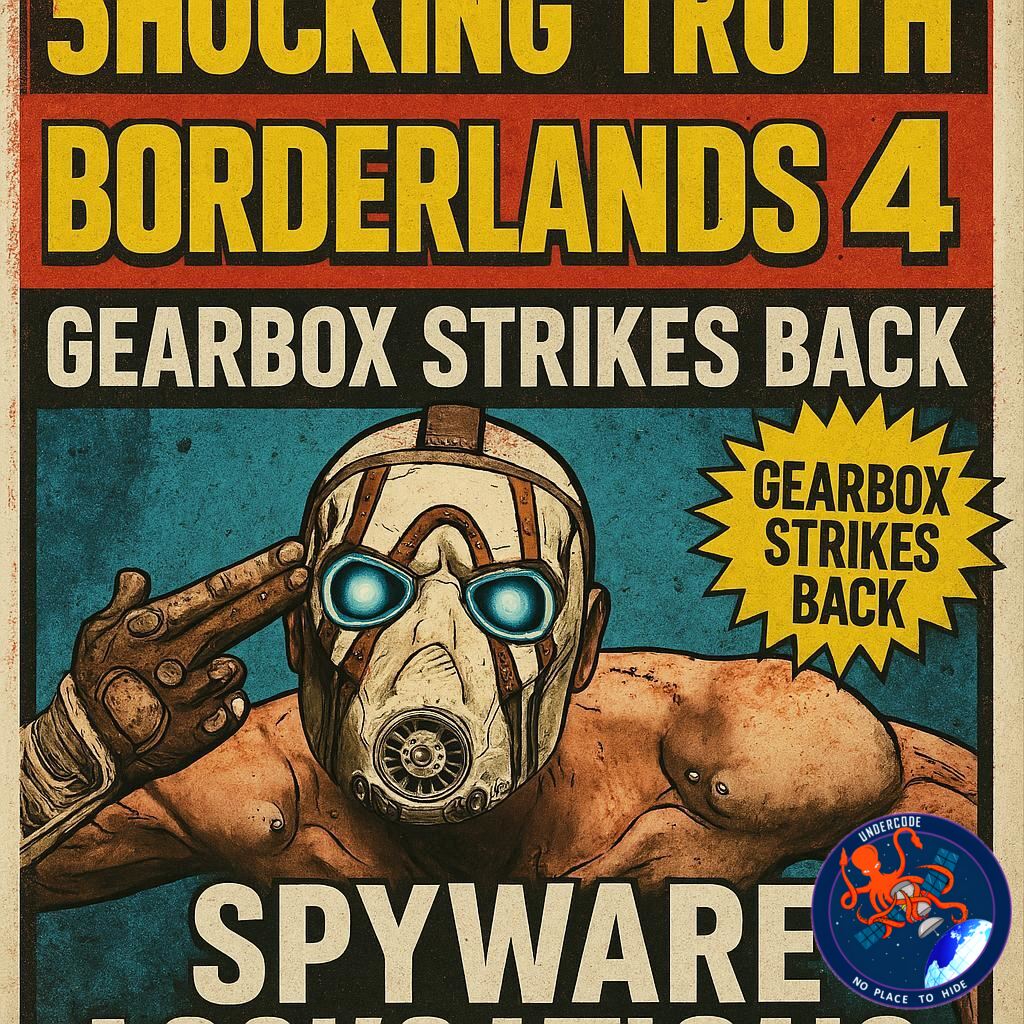
The gaming community is once again buzzing with controversy as Borderlands 4 faces allegations of secretly spying on its players. After a wave of backlash over changes to the End User License Agreement (EULA), developer Gearbox has stepped forward to strongly deny accusations that Take-Two Interactive — the publisher behind the Borderlands franchise — is embedding spyware into its games. This issue isn’t new; similar outrage hit Borderlands 3 earlier this year, leading to review-bombing campaigns and heated debates across gaming forums. But is there any truth to the spyware claims, or is this another case of internet outrage spiraling out of control? Let’s break it down.
Borderlands 4 Controversy Explained
The spark behind this storm came when eagle-eyed players noticed updates in the Borderlands 4 EULA. Many interpreted the new language as a green light for invasive data collection. Within hours, PC players were sounding alarms, and Steam reviews for earlier titles — Borderlands 1, 2, and 3 — were hammered with “Mostly Negative” and “Overwhelmingly Negative” ratings.
Gearbox quickly responded, repeating a clear stance: “Take-Two does not use spyware in its games.” They stressed that while the publisher’s privacy policy covers data practices across all platforms (console, PC, mobile, and web), not every game collects all the examples listed.
The studio explained that the limited data collected — such as player IDs, device information, and account credentials — is primarily for compatibility, performance, and personalization. Features like usernames, platform optimization, and game stability rely on these identifiers. Importantly, Gearbox stated this isn’t covert tracking but standard industry practice.
Another heated topic emerged around mods. Some players assumed the EULA changes meant Borderlands 4 would block all mods. Gearbox clarified the difference: single-player, non-commercial mods are still welcome, but multiplayer-altering mods are restricted. The reason? Protecting fairness and intellectual property, while also mitigating risks of cybercriminals slipping malware through shady downloads.
Security experts have weighed in as well. Since modding is a common attack vector, using reliable protection like Bitdefender Ultimate Security — offering real-time threat detection, anti-phishing measures, and performance-optimized gamer modes — can shield players against malicious attempts disguised as mods.
At its core, this debate seems less about actual spyware and more about trust. The gaming community, burned in the past by companies mishandling data, is quick to react when anything resembling surveillance pops up. Gearbox, however, appears determined to reassure fans before Borderlands 4’s full release.
What Undercode Say:
Analyzing this controversy reveals much more than a surface-level disagreement between developers and fans.
Community Distrust Runs Deep
Gamers have long memories. Incidents of companies pushing overly intrusive DRM, aggressive monetization, and data collection in the past have built skepticism. So when Borderlands 4’s EULA changed, many immediately assumed the worst.
Gearbox’s Communication Strategy
The timing of Gearbox’s response matters. By quickly addressing the backlash, the company prevented the controversy from snowballing further. However, the repetition of their earlier Borderlands 3 defense shows they are stuck in reactive mode instead of proactively clarifying EULA changes before launch.
EULA Language: Legal but Misleading
Most players don’t read EULAs line by line. When they do, vague or technical phrasing often sparks panic. In this case, the broad terms describing what may be collected sounded alarming, even if not all of it applies to the game. Legal teams may write such clauses for coverage, but in practice, this hurts consumer trust.
Data Collection vs. Spyware
It’s important to separate fact from fear. Standard gaming data — player IDs, device compatibility info, and account credentials — are industry norms. Calling this spyware may be an exaggeration, though critics argue companies should be more transparent about the minimum necessary data collected.
Impact on Game Reputation
Review-bombing campaigns have real consequences. The negative Steam ratings across the entire franchise risk damaging Borderlands 4’s reputation before release. Even if Gearbox clears its name, regaining community trust could take years.
The Modding Misunderstanding
Mods are lifeblood for PC games, extending longevity and creativity. By clarifying that single-player mods are allowed, Gearbox avoided alienating modders. Still, banning multiplayer mods feels restrictive to some fans, though justified by cheating concerns.
Cybersecurity Implications
Hackers frequently disguise malware as mods or third-party tools. Gearbox’s stance has a security angle, but it also shifts responsibility to players. This is why strong antivirus solutions remain crucial for modders.
The Bigger Picture
This controversy highlights a broader industry issue: lack of transparency. If publishers clearly communicated why and what data is collected, most players would likely be more accepting. Instead, ambiguity fuels conspiracy theories.
✅ Fact Checker Results
Gearbox officially denied spyware claims, stating only standard game data is collected.
Review-bombing campaigns on Steam are confirmed to have negatively impacted older Borderlands titles.
Mod restrictions apply only to multiplayer, not single-player modifications.
🔮 Prediction
If Gearbox improves transparency and communicates data policies clearly before launch, Borderlands 4 can recover from this backlash. However, if trust continues to erode, the franchise risks alienating its dedicated fanbase, leading to weaker sales and long-term damage to the Borderlands brand.
🕵️📝✔️Let’s dive deep and fact‑check.
References:
Reported By: www.bitdefender.com
Extra Source Hub:
https://www.twitter.com
Wikipedia
OpenAi & Undercode AI
Image Source:
Unsplash
Undercode AI DI v2
🔐JOIN OUR CYBER WORLD [ CVE News • HackMonitor • UndercodeNews ]
📢 Follow UndercodeNews & Stay Tuned:
𝕏 formerly Twitter 🐦 | @ Threads | 🔗 Linkedin | 🦋BlueSky | 🐘Mastodon


