
Listen to this Post
Introduction: The Silent Digital Threat You’re Ignoring
You lock your doors. You ignore suspicious calls. You think twice before posting online. Yet there’s a far bigger danger hiding in plain sight — information about you that’s already public, and you never gave permission for it to be there. Your name, address, phone number, past jobs, relatives, even forgotten usernames are quietly floating across the internet. Anyone can access them. And most people don’t realize how exposed they really are.
This isn’t paranoia. It’s the modern reality of digital life.
Summary: How Your Private Life Became Public Property
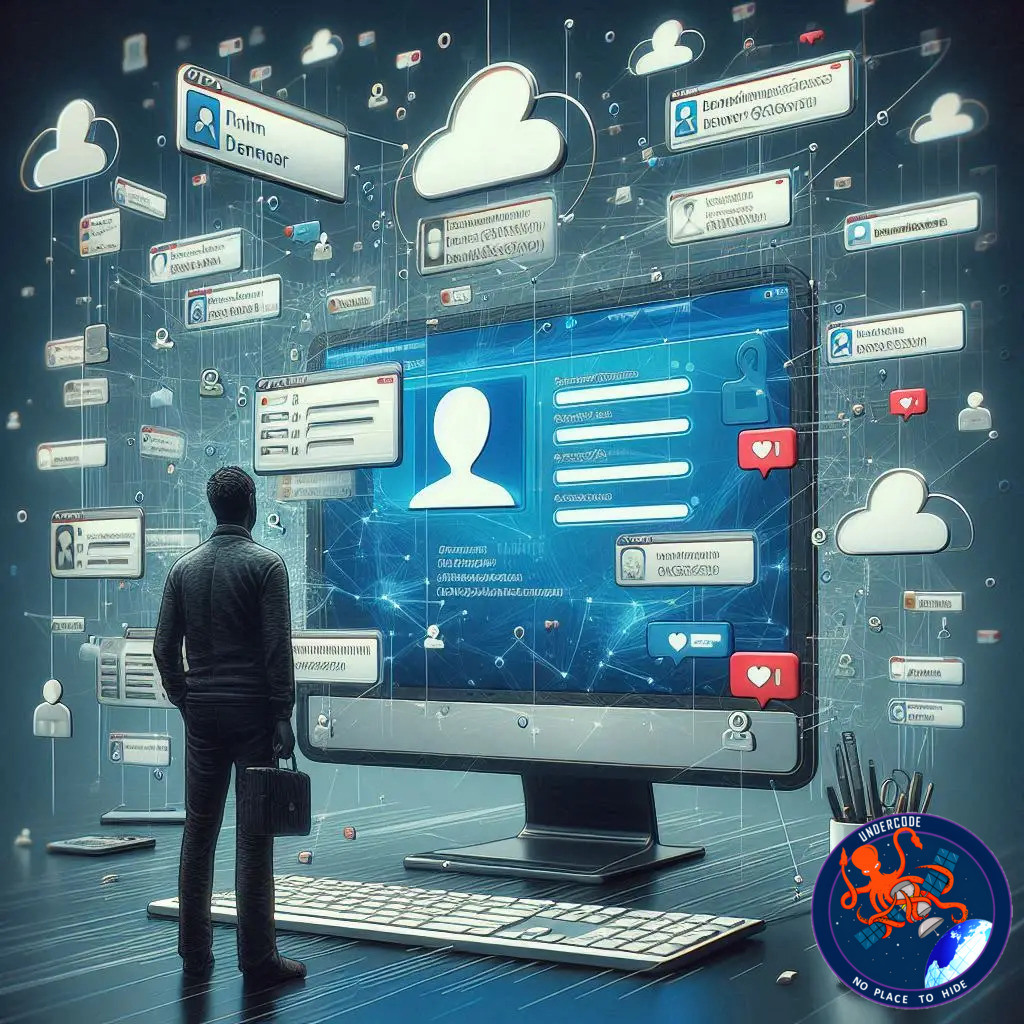
The article highlights a growing but underestimated threat: personal data exposure on public websites and data broker platforms. These sites collect and sell personal information, often without consent, making it accessible to anyone with an internet connection. The data includes names, phone numbers, home addresses, work history, and family connections — enough to build a complete profile of an individual.
This exposure creates serious risks. People become targets for doxxing, harassment, stalking, scams, and identity theft. Online harassment can quickly escalate into real-world danger when strangers show up at someone’s home or workplace. The threat isn’t theoretical — it’s happening every day.
The article stresses that leaving personal information unprotected makes people easier to exploit. Criminals and scammers use old data to impersonate victims, steal identities, or manipulate them into financial traps. Physical safety is also at risk when addresses and phone numbers are easily searchable.
To stay safe, the article recommends removing personal data from sketchy websites and broker platforms. While this can be done manually through opt-out requests and endless searching, it’s time-consuming and exhausting. That’s where a data removal service like Incogni comes in. Incogni automates the process, tracking down personal information across the web and forcing companies to delete it.
The service doesn’t just target major data brokers. It removes data from people-search sites, non-government directories, and shady platforms that profit from distributing private information. With its Unlimited plan, users can submit custom removal requests for websites not already covered.
Thousands of users trust Incogni because online safety isn’t just about antivirus software or strong passwords. It’s about keeping personal life truly private. When personal details are hidden, harassment and scams become much harder to execute.
The article concludes by reinforcing a simple truth: privacy equals security. Everyone deserves to feel safe online and offline. Removing exposed personal data is a crucial step in protecting both digital and physical safety.
What Undercode Says:
The Internet’s Dark Economy Is Built on Your Identity
What many people don’t realize is that personal data has become a commodity. There’s an entire underground economy — and sometimes a very public one — built on harvesting and selling your identity. Data brokers operate legally in many countries, gathering information from public records, leaked databases, and online behavior. They compile detailed profiles and sell them to marketers, insurers, and sometimes anyone willing to pay.
Your identity is no longer just yours. It’s a product.
Why Traditional Cybersecurity Isn’t Enough Anymore
Most people believe security ends with strong passwords and antivirus software. That’s outdated thinking. You can have perfect cybersecurity hygiene and still be exposed because your information is sitting on third-party websites you’ve never visited. These platforms become weak points in your personal security chain.
It’s like installing a steel door on your house while leaving all the windows wide open.
The Real-World Consequences Are Escalating
We are seeing a sharp rise in cases where online exposure leads to real-life danger. Swatting incidents, stalking cases, targeted harassment campaigns, and home invasions have all been linked to leaked personal data. What starts as a name lookup can quickly escalate into physical threats.
This isn’t just about embarrassment — it’s about survival.
Data Brokers Operate in a Legal Grey Zone
One of the most alarming aspects is that many data broker platforms operate legally. They hide behind privacy policies and fine print. Opt-out processes are deliberately complex, time-consuming, and frustrating. Some sites even re-upload your data months later.
This creates a never-ending cycle of exposure.
Manual Removal Is a Psychological Trap
The article mentions manual data removal — and while it’s possible, it’s mentally draining. People underestimate the number of sites hosting their information. You remove yourself from one, only to find ten more. This leads to burnout, frustration, and eventually giving up.
That’s exactly what these platforms count on.
Automation Is Becoming a Necessity, Not a Luxury
Services like Incogni exist because manual privacy management no longer scales. When dozens or hundreds of platforms hold your data, automation becomes the only practical solution. These tools track, submit, and follow up on deletion requests — something no human wants to do full-time.
Privacy management is now a full-time job.
Unlimited Plans Reflect a Harsh Reality
The fact that unlimited removal plans exist tells us something disturbing: data exposure never truly ends. New platforms appear constantly. Old ones resurface. Unlimited monitoring is a recognition that privacy protection is ongoing warfare, not a one-time cleanup.
Your data is always under attack.
Public Records Are a Double-Edged Sword
Many people assume public records are harmless. In reality, when aggregated, they become dangerous. Marriage records, property ownership, business registrations — when combined, they reveal patterns about your life. Criminals don’t need hacking skills anymore. They just need patience.
The Psychological Impact Is Underestimated
Living with the knowledge that strangers can find your home address creates constant anxiety. Victims report feeling watched, unsafe, and paranoid. This mental toll is rarely discussed but deeply damaging.
Privacy violations don’t just harm wallets — they harm minds.
Why Governments Are Lagging Behind
Regulation around data brokers is outdated or nonexistent in many regions. Lawmakers are often decades behind technological realities. While some countries push for stricter data laws, enforcement remains weak. Until legislation catches up, individuals are left to protect themselves.
Trust Is Becoming a Scarce Resource Online
People are losing trust in digital platforms. Every new breach, leak, or scandal reinforces the idea that no company truly protects user data. This erosion of trust damages not just individuals but the entire digital ecosystem.
Digital Footprints Are Permanent
Even if you delete social media accounts, traces remain. Cached pages, archived websites, scraped databases — the internet never forgets. Data removal services are now trying to clean an ocean with a bucket, but it’s better than doing nothing.
The Future: Privacy as a Paid Feature
We’re entering an era where privacy is becoming a premium product. Want to stay hidden? Pay for it. That’s the uncomfortable direction we’re heading. It raises ethical questions: should safety be a subscription?
Why This Issue Will Only Get Worse
As AI tools improve, profiling individuals becomes easier. Automated scraping tools can build psychological and behavioral profiles in seconds. What used to take investigators weeks now takes algorithms minutes.
The Harsh Truth
If your data is online, someone will eventually misuse it. It’s not a question of “if” — it’s “when.” Proactive removal is no longer optional. It’s basic digital hygiene.
🔍 Fact Checker Results
✅ Data broker platforms do legally collect and sell personal information.
✅ Exposed personal data increases risks of scams, stalking, and identity theft.
❌ There is no universal law forcing all brokers to delete user data permanently.
📊 Prediction
🚨 Over the next two years, we predict a surge in privacy-as-a-service platforms as public fear increases.
📈 Governments will introduce stricter regulations, but enforcement will remain slow.
🔐 Personal data protection will become as essential as antivirus software in daily life.
Privacy isn’t paranoia. It’s self-defense.
🕵️📝✔️Let’s dive deep and fact‑check.
References:
Reported By: thehackernews.com
Extra Source Hub (Possible Sources for article):
https://www.instagram.com
Wikipedia
OpenAi & Undercode AI
Image Source:
Unsplash
Undercode AI DI v2
Bing
🔐JOIN OUR CYBER WORLD [ CVE News • HackMonitor • UndercodeNews ]
📢 Follow UndercodeNews & Stay Tuned:
𝕏 formerly Twitter 🐦 | @ Threads | 🔗 Linkedin | 🦋BlueSky | 🐘Mastodon


