
Listen to this Post
Introduction: A Rising Wave of Cybersecurity Chaos
A fresh wave of cybersecurity incidents has sparked alarm across both government and education sectors, with allegations of massive data breaches involving sensitive identity records and institutional systems. Reports suggest that Kuwait’s civil information infrastructure may have been compromised at a staggering scale, while in the United States, a major learning platform is under investigation after repeated attacks disrupted academic operations. Together, these incidents highlight how digital systems holding personal and institutional data are increasingly becoming high-value targets in today’s cyber threat landscape.
the Allegations and Reported Incidents
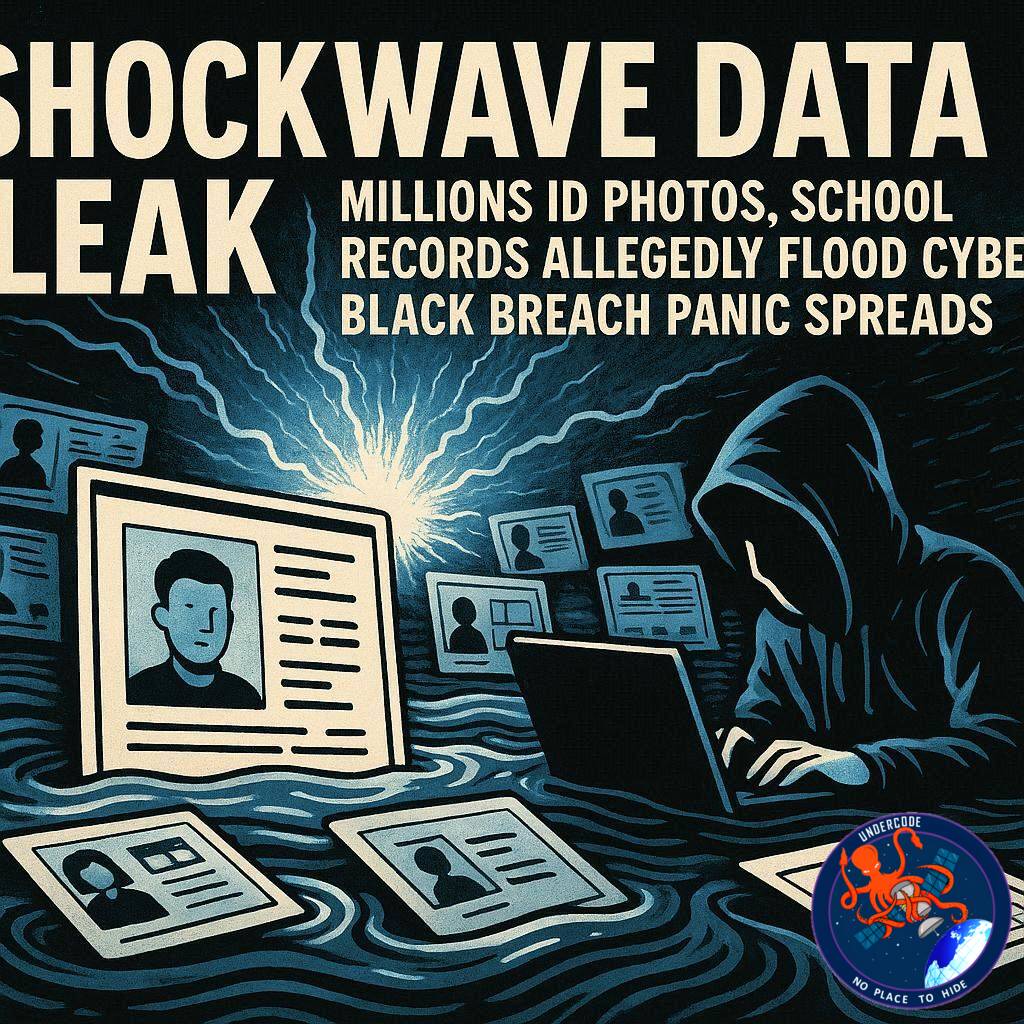
The latest cybersecurity reports claim that Kuwait’s Public Authority for Civil Information may have suffered a significant breach affecting highly sensitive national datasets. Allegedly exposed materials include identity records, population databases, mapping systems, and approximately 5.23 million identification photos. These stolen datasets are reportedly being circulated and offered for sale on underground markets, raising serious concerns about identity theft and state-level data security. At the same time, attention is also focused on the United States, where the House Homeland Security Committee is investigating Instructure after its Canvas platform was reportedly targeted twice by the hacking group known as ShinyHunters. These attacks are said to have exposed student and staff data, defaced institutional portals, and disrupted final examinations, creating widespread operational chaos in academic environments. The dual incidents underline a growing trend of cybercriminal groups targeting both government civil databases and educational infrastructure. While official confirmations remain limited in public sources, the scale of the alleged leaks has already triggered international concern. Experts warn that such breaches, if verified, could lead to long-term consequences including identity fraud, institutional mistrust, and increased ransomware targeting. The combination of population-scale identity exposure and disruption of essential educational systems paints a troubling picture of cybersecurity readiness in critical sectors.
What Undercode Say:
A New Era of Mass Identity Exposure Threats
The alleged Kuwait breach reflects a disturbing evolution in cybercrime where attackers are no longer targeting isolated systems but entire national identity infrastructures. If population records and millions of ID photos are truly compromised, this goes beyond data theft and enters the realm of long-term identity weaponization.
Educational Platforms Becoming Prime Cyber Targets
The repeated attacks on Canvas show that education systems are now high-value targets for cybercriminal groups like ShinyHunters. These platforms contain dense personal data clusters—students, staff, academic records—making them easier to exploit and highly disruptive when compromised.
Underground Data Markets Fueling Cybercrime Economies
Reports of stolen Kuwaiti data being offered for sale highlight the growing sophistication of dark web ecosystems. These marketplaces now operate like structured economies, pricing identity datasets, population records, and institutional access as tradable digital commodities.
Institutional Response Still Lagging Behind Attack Speed
Both incidents underline a consistent weakness: defensive cybersecurity frameworks are struggling to keep up with the speed and coordination of modern cyberattacks. Whether in government agencies or universities, response systems remain largely reactive rather than predictive.
Geopolitical and Social Risks of Large-Scale Breaches
Beyond technical damage, these leaks carry geopolitical implications. National identity systems, when exposed, can undermine public trust in governance, while educational disruptions affect societal stability by targeting future workforce infrastructure.
🔍 Fact Checker Results
Kuwait breach claims are currently unverified by official government confirmation
ShinyHunters has a known history of targeting large institutions globally
No independent forensic evidence publicly confirms full scale of alleged ID photo leak
📊 Prediction
If confirmed, identity-based cyberattacks will become a dominant threat vector in 2026 and beyond
Government civil databases are likely to receive increased ransomware targeting due to high resale value
Education platforms may face stricter cybersecurity regulation following repeated large-scale intrusion attempts
🕵️📝Let’s dive deep and fact‑check.
References:
Reported By: x.com
Extra Source Hub (Possible Sources for article):
https://www.instagram.com
Wikipedia
OpenAi & Undercode AI
Image Source:
Unsplash
Undercode AI DI v2
Bing
🔐JOIN OUR CYBER WORLD [ CVE News • HackMonitor • UndercodeNews ]
📢 Follow UndercodeNews & Stay Tuned:
𝕏 formerly Twitter 🐦 | @ Threads | 🔗 Linkedin | 🦋BlueSky | 🐘Mastodon


