
Listen to this Post
Introduction
The global cybersecurity landscape continues to intensify as both state-linked and criminal ransomware groups escalate attacks on critical institutions. Law firms, often holding vast amounts of sensitive corporate and legal data, have become increasingly attractive targets. At the same time, major software vendors are still racing to close security gaps in legacy systems, highlighting how vulnerable aging infrastructure remains in a rapidly evolving threat environment.
Original Incident: SilentRansomGroup Targets Porter Wright Law Firm
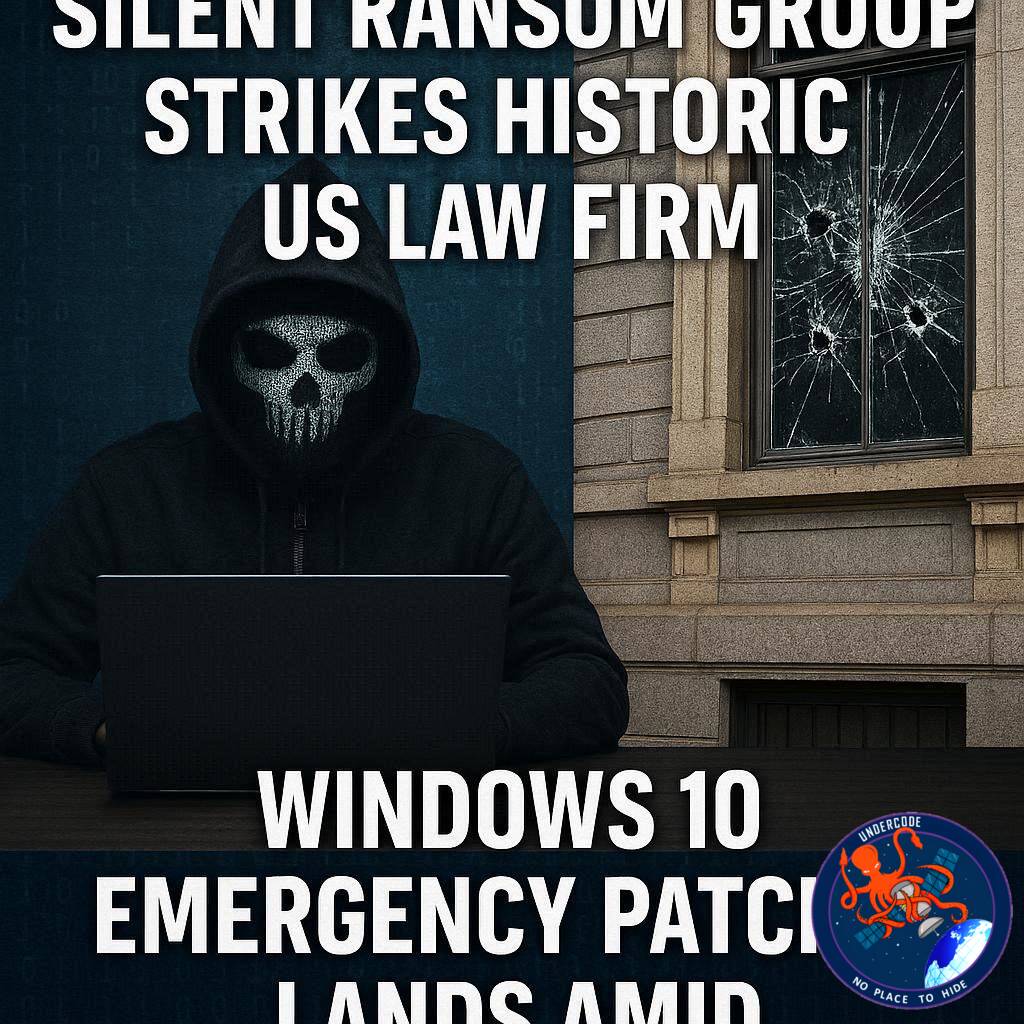
SilentRansomGroup has reportedly claimed responsibility for a ransomware attack targeting Porter Wright, a long-established US-based law firm founded in 1846. The firm is known for its extensive legal services across corporate, regulatory, and litigation sectors, making it a high-value target for cybercriminal operations. According to the claim, attackers allege they successfully breached internal systems and exfiltrated sensitive legal and administrative data.
The incident was first highlighted through cybersecurity monitoring channels and threat intelligence updates circulating on social media platforms. While the attackers publicly asserted responsibility, no official confirmation or detailed forensic disclosure has yet been released by Porter Wright regarding the scope or authenticity of the breach.
This alleged attack aligns with a broader trend of ransomware groups targeting professional service firms, particularly those with historical archives and sensitive client records. Law firms are increasingly seen as soft targets due to their reliance on legacy systems, third-party integrations, and high-value confidential data.
In parallel, cybersecurity analysts note that ransomware groups often use public claims as part of psychological pressure campaigns, aiming to force negotiations or increase reputational damage even before technical validation of the breach is complete.
The incident also emerges within a wider wave of global cybersecurity updates, including Microsoft’s latest Windows 10 security patch release for ESU and LTSC users. These updates address multiple vulnerabilities, improve Secure Boot processes, and fix system-level inconsistencies, reflecting ongoing efforts to harden enterprise environments.
Together, these developments highlight a dual reality: while attackers grow more aggressive and opportunistic, defenders are constantly engaged in a reactive cycle of patching, monitoring, and incident response across both modern and legacy systems.
What Undercode Say:
The claimed ransomware attack on Porter Wright represents a textbook example of how modern cybercriminal ecosystems operate in the current threat economy. Groups like SilentRansomGroup rarely rely solely on encryption-based disruption; instead, they increasingly combine data theft, public exposure threats, and psychological coercion to maximize leverage over victims. Even when breaches are not fully verified, the mere claim can generate reputational pressure that forces organizations into crisis mode.
From a strategic cybersecurity perspective, law firms remain particularly exposed due to their unique data concentration. Unlike typical corporate environments, legal institutions manage confidential case files, intellectual property disputes, regulatory documentation, and high-stakes financial litigation data. This makes them not just targets for disruption, but for long-term intelligence exploitation.
The timing of such attacks often correlates with broader infrastructure vulnerability windows. The simultaneous release of Microsoft’s Windows 10 KB5087544 update underscores how attackers frequently exploit known vulnerabilities before organizations fully deploy patches. Legacy systems, especially those under ESU and LTSC frameworks, often lag behind in update cycles, creating exploitable gaps.
Another critical dimension is the increasing role of information warfare in ransomware campaigns. Public claims posted on social platforms are no longer incidental; they are central to attack strategy. By announcing breaches early, threat actors shape narratives, destabilize trust, and sometimes even pressure insurance providers or legal stakeholders indirectly.
The broader implication is that cybersecurity is shifting from a purely technical battlefield into a hybrid environment involving reputation, psychology, and compliance pressure. Organizations like Porter Wright are not only defending data integrity but also institutional credibility.
Additionally, the coexistence of enterprise-level patches and active ransomware campaigns highlights a persistent asymmetry: defenders must secure every possible vulnerability, while attackers only need one weak entry point to succeed. This imbalance continues to define the modern cyber conflict landscape.
Finally, the evolution of ransomware groups suggests increasing specialization. Some focus on data-heavy industries like law, healthcare, and finance, where the sensitivity of information increases the likelihood of payout. This trend indicates that future attacks will likely become more targeted, quieter, and strategically timed rather than broad and indiscriminate.
🔍 Fact Checker Results
Claim Verification: SilentRansomGroup’s alleged attack on Porter Wright remains unconfirmed publicly, meaning attribution is based on threat actor claims rather than official breach disclosure.
Technical Context: Microsoft’s KB5087544 update for Windows 10 ESU and LTSC aligns with typical enterprise security patch cycles addressing vulnerabilities and system stability improvements.
Threat Assessment: Ransomware targeting law firms is a documented trend, but the severity and impact of each reported incident vary significantly depending on verified forensic evidence.
📊 Prediction
The ransomware landscape is expected to intensify further, with law firms and professional service providers remaining high-priority targets due to their dense concentration of sensitive data. Future campaigns are likely to rely more heavily on hybrid extortion models that combine data leaks, public pressure, and selective encryption rather than full system lockouts.
As enterprise systems continue patching legacy vulnerabilities, attackers will increasingly pivot toward human-layer exploitation, including phishing, credential theft, and third-party supply chain compromises. Over time, incidents like the one attributed to SilentRansomGroup will become less about system disruption and more about controlled data exposure and strategic reputational manipulation.
🕵️📝Let’s dive deep and fact‑check.
References:
Reported By: x.com
Extra Source Hub (Possible Sources for article):
https://www.facebook.com
Wikipedia
OpenAi & Undercode AI
Image Source:
Unsplash
Undercode AI DI v2
Bing
🔐JOIN OUR CYBER WORLD [ CVE News • HackMonitor • UndercodeNews ]
📢 Follow UndercodeNews & Stay Tuned:
𝕏 formerly Twitter 🐦 | @ Threads | 🔗 Linkedin | 🦋BlueSky | 🐘Mastodon


