
Listen to this Post
Introduction
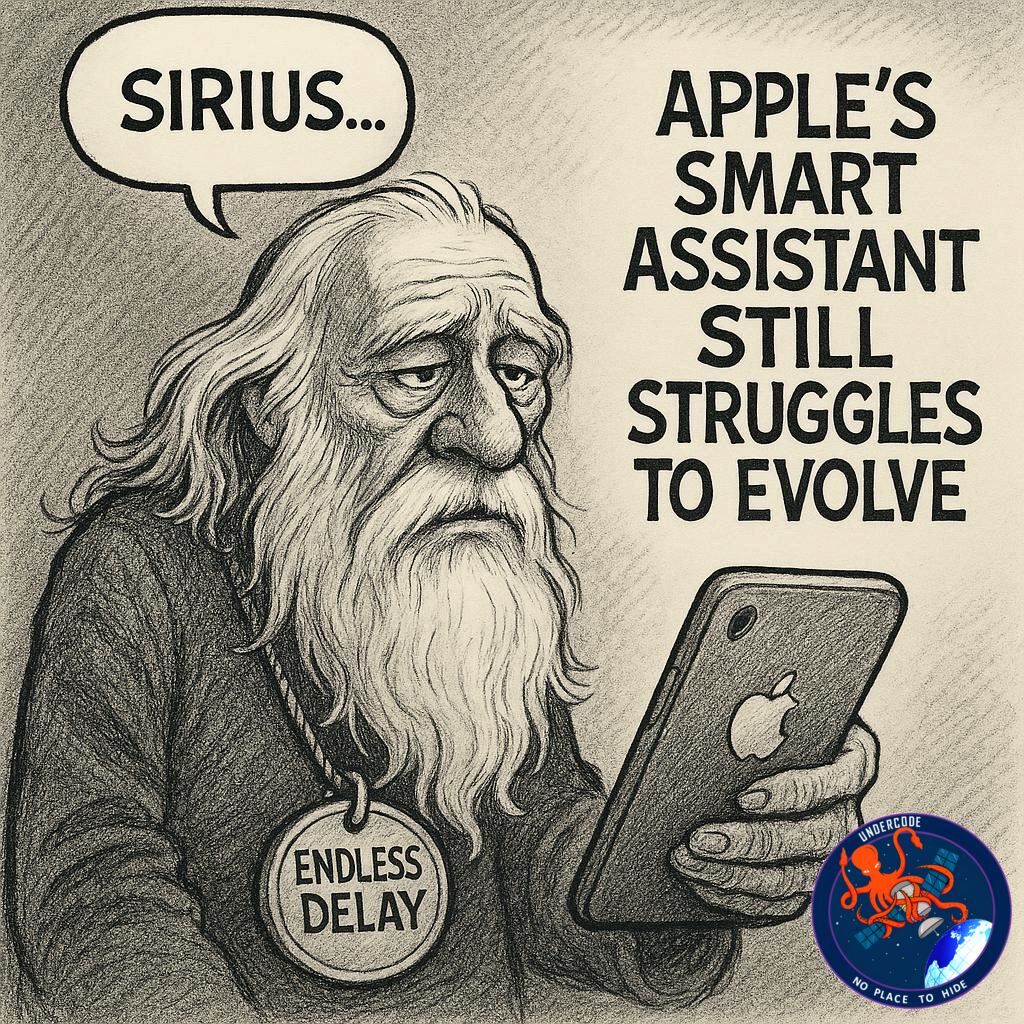
Apple promised a bold transformation for Siri at WWDC 2024, teasing a new era of intelligence for its long-criticized voice assistant. Yet, after years of hype, delays, and even a pulled advertisement, Siri’s big upgrade remains missing in action. Meanwhile, a new survey shows that users are still relying on Siri for the same basic tasks they did back in 2018 — raising questions about whether Apple is truly innovating or simply playing catch-up.
The Long Wait for the “New Siri”
Apple has long been accused of lagging behind in the voice assistant race, often overshadowed by competitors like Google Assistant and Amazon Alexa. During WWDC 2024, Apple sought to silence critics by showcasing impressive new AI-driven Siri features, later amplified in an iPhone 16 ad. But the celebration didn’t last.
The company was forced to retract the ad after accusations of false advertising, and the promised updates were quietly delayed. Critics labeled the new Siri “vaporware,” a stinging accusation that Apple strongly denied. Despite reassurances that the upgrades are coming, no clear timeline exists — leaving users in limbo.
Siri Usage Remains Stagnant
According to a YouGov survey reported by Sherwood News, user behavior around Siri has barely changed in seven years. The top five most common uses remain:
Checking the weather: 59%
Playing music: 51%
Looking up quick answers: 47%
Setting alarms/timers: 40%
Making hands-free calls: 39%
These functions are essentially identical to Siri’s 2018 use cases. Even in the lowest usage categories, most tasks mirror what Siri could already do years ago, suggesting innovation hasn’t trickled down to user habits.
A Frustrated User Base
While many users appear satisfied with these simple utilities, frustration is growing. About 10% of respondents said voice assistants are not as smart as expected, pointing to limited problem-solving abilities. Common complaints include misunderstood commands, inaccurate answers, and the inability to handle complex requests.
Highlighted Accessories
Alongside the Siri debate, Apple continues to market hardware accessories such as MagSafe chargers, compact Anker adapters, and iPhone 16 cases — signaling where its short-term revenue focus lies, even as Siri’s future remains uncertain.
What Undercode Say:
Apple’s Siri journey reflects a deeper tension between innovation promises and user reality. The drawn-out timeline for upgrades is more than just a delay — it highlights Apple’s cautious approach in deploying AI while competitors push aggressive updates.
The Trust Problem
When Apple pulled its iPhone 16 ad, it signaled a lack of confidence. This not only weakened Siri’s credibility but also sparked fears that Apple might be falling behind in the AI-driven assistant race. Trust, once shaken, is hard to rebuild, especially in an ecosystem that prides itself on reliability.
The Plateau in Voice Assistant Adoption
The fact that user behavior hasn’t changed much since 2018 suggests a plateau. Consumers simply don’t see assistants as transformative beyond basic tasks. This points to two issues: either assistants like Siri aren’t evolving, or users don’t trust them with more complex responsibilities. Both scenarios reflect poorly on Apple.
Competitor Landscape
Google Assistant and Alexa have steadily added integrations with smart homes, productivity tools, and contextual AI. In contrast, Siri’s ecosystem feels limited, keeping users confined to a handful of utilities. This limitation could cost Apple in the long term if users start shifting loyalty to ecosystems that deliver more.
AI Timing and Market Strategy
Apple traditionally waits until technology is polished before rolling it out. While this strategy has historically worked with hardware, AI is a different beast. In a fast-moving landscape, being late means losing relevance. Siri risks being remembered as a “good enough” tool rather than the industry leader Apple wants it to be.
User Frustration: A Growth Barrier
Voice assistants that fail to understand commands erode user confidence. When 10% of users openly admit assistants aren’t smart enough, it reflects broader dissatisfaction. This stagnation risks creating a self-reinforcing cycle: users expect less from Siri, so they use it less, which in turn makes Apple less motivated to innovate.
The Commercial Angle
Apple’s push for accessories during this Siri lull is telling. By monetizing hardware while delaying software innovation, Apple prioritizes short-term revenue over long-term trust. This could backfire if consumers begin questioning whether Apple is serious about the AI revolution.
Future Outlook
Siri’s revival depends on Apple’s ability to deliver meaningful, reliable upgrades that genuinely change usage habits. If Apple can integrate advanced generative AI while maintaining privacy — its biggest selling point — Siri could reclaim lost ground. If not, Apple risks fading from the AI conversation altogether.
✅ Fact Checker Results
Siri usage today is nearly identical to 2018 survey results.
Apple did retract an iPhone 16 ad after false advertising concerns.
Siri upgrades are still delayed with no confirmed release timeline.
🔮 Prediction
Siri’s long-awaited upgrade will likely roll out in late 2025 or early 2026, but by then, Apple may face an uphill battle against competitors who already dominate AI-driven assistants. If Apple succeeds, Siri could shift from a “basic tool” to a true AI companion — but failure would cement its role as the weakest link in Apple’s ecosystem.
🕵️📝✔️Let’s dive deep and fact‑check.
References:
Reported By: 9to5mac.com
Extra Source Hub:
https://www.quora.com
Wikipedia
OpenAi & Undercode AI
Image Source:
Unsplash
Undercode AI DI v2
🔐JOIN OUR CYBER WORLD [ CVE News • HackMonitor • UndercodeNews ]
📢 Follow UndercodeNews & Stay Tuned:
𝕏 formerly Twitter 🐦 | @ Threads | 🔗 Linkedin | 🦋BlueSky | 🐘Mastodon


