
Listen to this Post
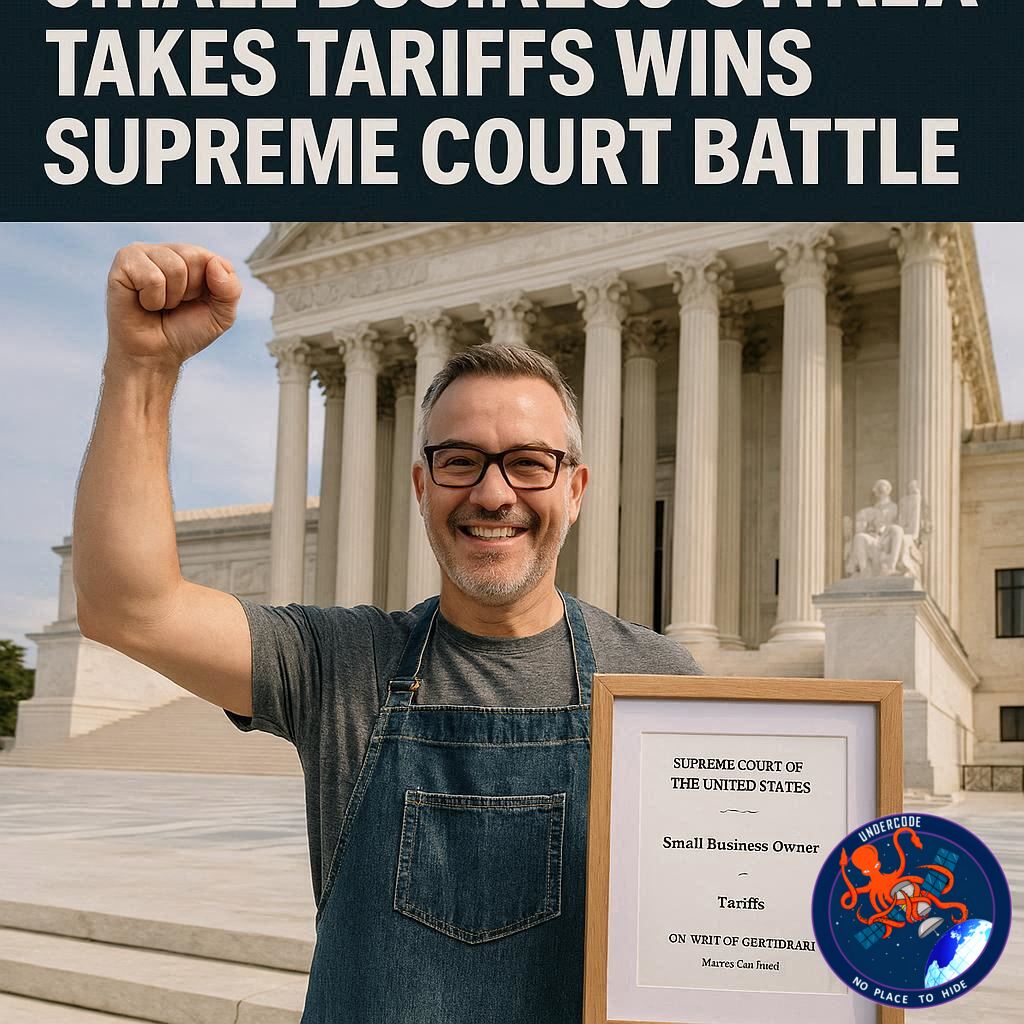
When President Donald Trump announced plans to raise U.S. tariffs to levels not seen since 1930, the business world largely stayed silent. For multinational corporations, opposing the president carried risks that often outweighed the policies themselves. But Victor Schwartz, owner of New York-based wine importer VOS Selections, chose to take a bold stand. His decision to challenge Trump’s sweeping emergency tariffs ultimately led to a landmark Supreme Court victory on Friday, making Schwartz the unlikely hero for small businesses nationwide.
Introduction: A David vs. Goliath Moment
While many CEOs avoided confrontation, Schwartz stepped into the spotlight. Initially hesitant, he became the lead plaintiff after being connected with the Liberty Justice Center, a libertarian-leaning nonprofit law firm challenging Trump’s use of the International Emergency Economic Powers Act to impose tariffs unilaterally. Schwartz’s case, VOS Selections, Inc. v. Trump, was eventually consolidated with similar lawsuits from 12 states and the educational supply company Learning Resources. The Supreme Court ruled the emergency tariffs illegal, marking a rare defeat for the former president’s economic policies.
Courage Against the Odds
Schwartz admitted that stepping into such a prominent role was daunting. “It was one thing to join the case, but then to be the lead plaintiff really gave me pause,” he told CNN. With corporate America largely on the sidelines, Schwartz saw himself as the “last line of defense” against what he considered a grave overreach of executive power threatening his family-run business.
Personal Costs of a Legal Battle
Winning the case came at a personal cost. Schwartz described ongoing harassment through texts and emails and heightened security measures at his office. Yet, he remained steadfast, believing the fight was crucial not just for his company but for small businesses across the nation.
Navigating Tariff Challenges
Schwartz’s business imports wine and spirits from 16 countries, making him intimately familiar with the complexities of U.S. tariff regulations. Last year, Trump even threatened a 50% tariff on European Union products, forcing Schwartz to reassess pricing and revenue repeatedly. Unlike large corporations, his business could not simply absorb these costs, sometimes paying six-figure sums to comply temporarily. The Supreme Court ruling could open the door for refunds totaling at least $134 billion in tariff revenue, though the logistics remain uncertain.
The Broader Implications
While the ruling marks a significant victory, Trump continues to explore other trade restrictions. Schwartz expressed concern about future tariffs but noted that they would likely be narrower in scope with clear expiration dates.
Standing Up to the Most Powerful
Taking on the president carried obvious risks. Even Amazon faced backlash when it considered highlighting tariff impacts, demonstrating that large corporations were also wary of confrontation. For Schwartz, support from small and mid-sized businesses across political lines helped him persevere.
Allies in Small Business
Rick Woldenberg, CEO of Learning Resources, shared Schwartz’s determination. Unlike Schwartz, Woldenberg covered his own legal fees totaling seven figures but remained proud to stand up against what he saw as an unfair financial burden.
Corporate Hesitation
Legal experts note that many large corporations avoided direct confrontation because of threats, exceptions, and the vulnerability of challenging the president publicly. Some companies, like Costco, later sought refunds without taking the reputational risk that Schwartz embraced. For Schwartz, however, blazing the trail was worth the recognition and the potential benefits for all small businesses.
Celebration and Reflection
Schwartz plans to celebrate the Supreme Court victory with an old bottle of Châteauneuf-du-Pape, a symbolic nod to both personal and professional triumph. His story is a testament to the power of individual courage in shaping national economic policy.
What Undercode Says:
Small Business Influence on Policy
Victor Schwartz’s victory underscores how small businesses, though lacking the resources of multinational corporations, can impact major national policies. By taking on the legal battle, Schwartz forced scrutiny on executive powers previously unchecked, creating a precedent that could limit future unilateral economic actions.
Economic Implications for the Import Sector
The tariffs had already imposed six-figure costs on small importers like Schwartz. The Supreme Court ruling may unlock refunds worth billions, potentially reshaping the economic landscape for small and mid-sized businesses heavily reliant on international trade.
Legal Precedent and Executive Limits
The case reinforces the judiciary’s role in checking presidential overreach. By challenging the use of the International Emergency Economic Powers Act, Schwartz highlighted how emergency powers should not bypass Congress in matters affecting the economy at large.
Corporate Hesitation vs. Risk-Taking
Schwartz’s story contrasts sharply with the cautious approach of larger corporations. While giants like Costco could wait for outcomes, small players bear disproportionate financial and reputational risk. Schwartz demonstrates that strategic risk-taking can yield both societal and economic benefits.
Political and Trade Landscape
Despite the victory, new tariffs remain possible under different statutes. This indicates that while small businesses can push back effectively, the broader trade landscape remains volatile, demanding ongoing vigilance from importers.
Public Perception and Leadership
Schwartz’s courage has elevated public awareness of tariff impacts. His fight has generated cross-partisan support and could inspire other entrepreneurs to challenge policies that threaten their survival, emphasizing the role of civic engagement in business strategy.
Cultural Resonance
The narrative of a small business standing up to a former president resonates culturally, embodying a modern David vs. Goliath tale. It strengthens the narrative of individual impact, inspiring entrepreneurs nationwide.
Strategic Lessons
Future small business leaders can learn from Schwartz’s approach: forming strategic alliances with nonprofits, leveraging legal expertise, and demonstrating resilience under public scrutiny can amplify influence beyond financial capabilities.
Financial Ramifications
Potential refunds from overturned tariffs could inject liquidity back into struggling businesses, promoting growth and stability in sectors previously constrained by policy unpredictability.
International Trade Signaling
The ruling may also signal to foreign partners that U.S. trade policies are contestable, potentially influencing negotiations and partnerships, as importers anticipate a more predictable regulatory environment.
Reputation Management
Despite harassment and public scrutiny, Schwartz maintained professionalism and transparency, a lesson in balancing activism with operational stability in high-stakes legal confrontations.
Policy Reform Potential
The case may encourage legislators to reconsider the scope of emergency tariff powers, promoting long-term policy reform that balances executive authority with economic fairness.
Psychological Impact
Schwartz’s resilience under intense pressure exemplifies the psychological fortitude required for small business leadership in politically charged environments.
Long-Term Business Planning
The Supreme Court’s decision may encourage small businesses to integrate legal risk assessment into strategic planning, ensuring preparedness for sudden regulatory changes.
Inspirational Leadership
By embracing the role of lead plaintiff, Schwartz provides a blueprint for proactive leadership, where moral and economic imperatives converge, encouraging an entrepreneurial culture of advocacy.
🔍 Fact Checker Results
✅ Supreme Court ruled Trump’s emergency tariffs illegal.
✅ Victor Schwartz was the lead plaintiff in VOS Selections, Inc. v. Trump.
❌ Exact refund totals remain uncertain; $134 billion is an estimate based on tariff revenue.
📊 Prediction
Schwartz’s victory could inspire a wave of small business-led litigation against overreaching trade policies. Over the next 12–24 months, expect more importers to challenge tariffs proactively, leveraging the legal precedent to secure refunds and prevent future overreach. Additionally, legislators may introduce new safeguards limiting the unilateral imposition of emergency tariffs, promoting a more balanced approach between executive power and congressional oversight.
🕵️📝✔️Let’s dive deep and fact‑check.
References:
Reported By: edition.cnn.com
Extra Source Hub (Possible Sources for article):
https://www.twitter.com
Wikipedia
OpenAi & Undercode AI
Image Source:
Unsplash
Undercode AI DI v2
Bing
🔐JOIN OUR CYBER WORLD [ CVE News • HackMonitor • UndercodeNews ]
📢 Follow UndercodeNews & Stay Tuned:
𝕏 formerly Twitter 🐦 | @ Threads | 🔗 Linkedin | 🦋BlueSky | 🐘Mastodon


