
Listen to this Post
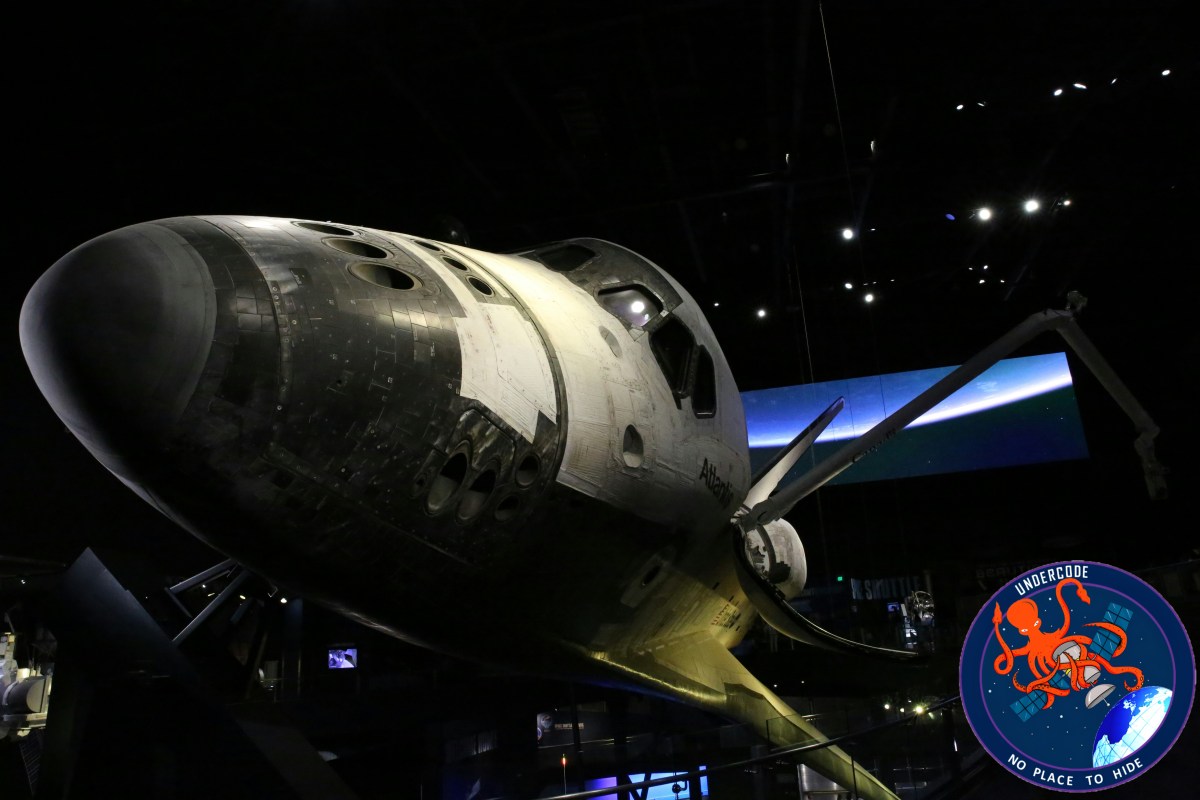
Introduction: Anticipation Builds Around Starship 🚀
SpaceX is once again in the spotlight as its Starship program prepares for another milestone. The company had planned the 10th flight of its groundbreaking Starship rocket, but the launch was unexpectedly delayed. Fans and space enthusiasts were eager to witness whether SpaceX could overcome previous setbacks and achieve a successful launch. Now, the spotlight turns to Monday evening for the highly anticipated Flight 10.
Flight 10 Postponed: Ground Systems Issue 🛠️
The launch, initially scheduled for Sunday evening, was halted just 17 minutes before the one-hour window opened. SpaceX cited a technical problem with its ground systems, specifically a liquid oxygen leak, which required immediate attention. Elon Musk confirmed via social media that the team aims to relaunch Starship on Monday, August 25, 2025.
Starship Ready for Launch 🛰️
Despite the postponement, the Starship vehicle was fully prepped for flight. Both the upper stage and the Super Heavy booster had begun propellant loading, showing that the rocket itself was mission-ready. The delay underscores SpaceX’s commitment to safety and precision, ensuring that even minor issues are resolved before liftoff.
The Significance of Starship’s Mission 🌕
Starship is the tallest and most powerful rocket ever built, designed for lunar and Martian missions. NASA has selected it as the crewed lunar lander for the Artemis program, with astronaut missions tentatively planned for 2027. Each flight, despite past failures, provides SpaceX with critical insights to refine both hardware and operational procedures. A successful Flight 10 would be a major step forward for the Starship program.
A History of Challenges and Progress ⚡
Starship has completed nine flights so far, with three in 2025 alone. Flights 7 and 8 ended in explosions within 10 minutes of launch, and Flight 9 disintegrated during reentry. These setbacks have not deterred SpaceX; instead, each failure fuels improvement. Flight 10 represents not just a launch but a test of the company’s ability to learn and adapt.
Starship’s Role in Space Exploration 🌌
The fully integrated system, comprising the reusable Super Heavy booster and Starship upper stage, is pivotal to SpaceX’s vision of making life multi-planetary. Successful missions will pave the way for deeper space exploration and potential commercial opportunities, including space tourism and cargo transport.
What Undercode Say: Analysis and Insights 📊
The rescheduling of Flight 10 is a familiar scenario in the world of advanced rocketry. SpaceX’s decision to delay the launch highlights the delicate balance between innovation and safety. Ground systems, often overlooked, are crucial to a successful mission, and even minor malfunctions can cascade into mission-critical failures.
Starship’s design—over 400 feet tall with fully reusable stages—represents a paradigm shift in rocket engineering. The lessons from past failures indicate that SpaceX’s iterative development process is working: each launch provides data to refine engines, fuel management, and structural integrity.
The Artemis lunar missions are particularly sensitive to Starship’s performance. Any delay in mastering Starship could affect NASA’s timeline, emphasizing the importance of precision. However, SpaceX’s track record demonstrates a remarkable ability to recover from setbacks, suggesting that Flight 10 could mark a turning point.
From an investment and market perspective, Starship’s success would likely boost SpaceX’s valuation and credibility in the aerospace industry. Partnerships, government contracts, and commercial payload opportunities are all contingent on reliable operations.
Public perception also matters. Previous explosive failures drew headlines and skepticism, but Elon Musk’s transparent communication fosters trust and excitement. This balance of hype and honesty keeps SpaceX in the cultural and scientific spotlight.
Technically, the liquid oxygen leak that delayed Flight 10 is a reminder of the engineering challenges inherent in cryogenic fuel systems. Such issues are not unusual but must be meticulously addressed. Quick detection and resolution underscore SpaceX’s operational maturity compared to traditional aerospace programs.
Flight 10’s potential success could validate SpaceX’s ambitious timeline, moving closer to interplanetary travel and commercial missions. Reusability remains a cornerstone of reducing costs and increasing launch cadence, which could redefine the economics of spaceflight.
Long-term, Starship may enable not only Mars colonization but also rapid satellite deployment, scientific research, and space tourism. Each successful launch strengthens the foundation for a new era in human spaceflight, with commercial and scientific implications rippling globally.
Overall, Flight 10 is more than a test launch; it’s a symbol of perseverance, engineering excellence, and the human desire to explore beyond Earth. A flawless launch would demonstrate that SpaceX is not just building rockets but shaping the future of space exploration.
Fact Checker Results ✅❌
✅ Starship Flight 10 has been rescheduled due to a liquid oxygen leak in ground systems.
✅ SpaceX aims to relaunch on Monday, August 25, 2025.
❌ Past failures of Starship do not indicate guaranteed future failure; iterative improvements continue to enhance performance.
Prediction 🔮
If Flight 10 succeeds, Starship could finally demonstrate reliable operational capability, boosting SpaceX’s credibility and accelerating Artemis lunar missions. This milestone may also pave the way for commercial Mars missions and establish SpaceX as the dominant force in reusable rocketry. ✨
🕵️📝✔️Let’s dive deep and fact‑check.
References:
Reported By: www.teslarati.com
Extra Source Hub:
https://www.quora.com
Wikipedia
OpenAi & Undercode AI
Image Source:
Unsplash
Undercode AI DI v2
🔐JOIN OUR CYBER WORLD [ CVE News • HackMonitor • UndercodeNews ]
📢 Follow UndercodeNews & Stay Tuned:
𝕏 formerly Twitter 🐦 | @ Threads | 🔗 Linkedin | 🦋BlueSky | 🐘Mastodon


