
Listen to this Post
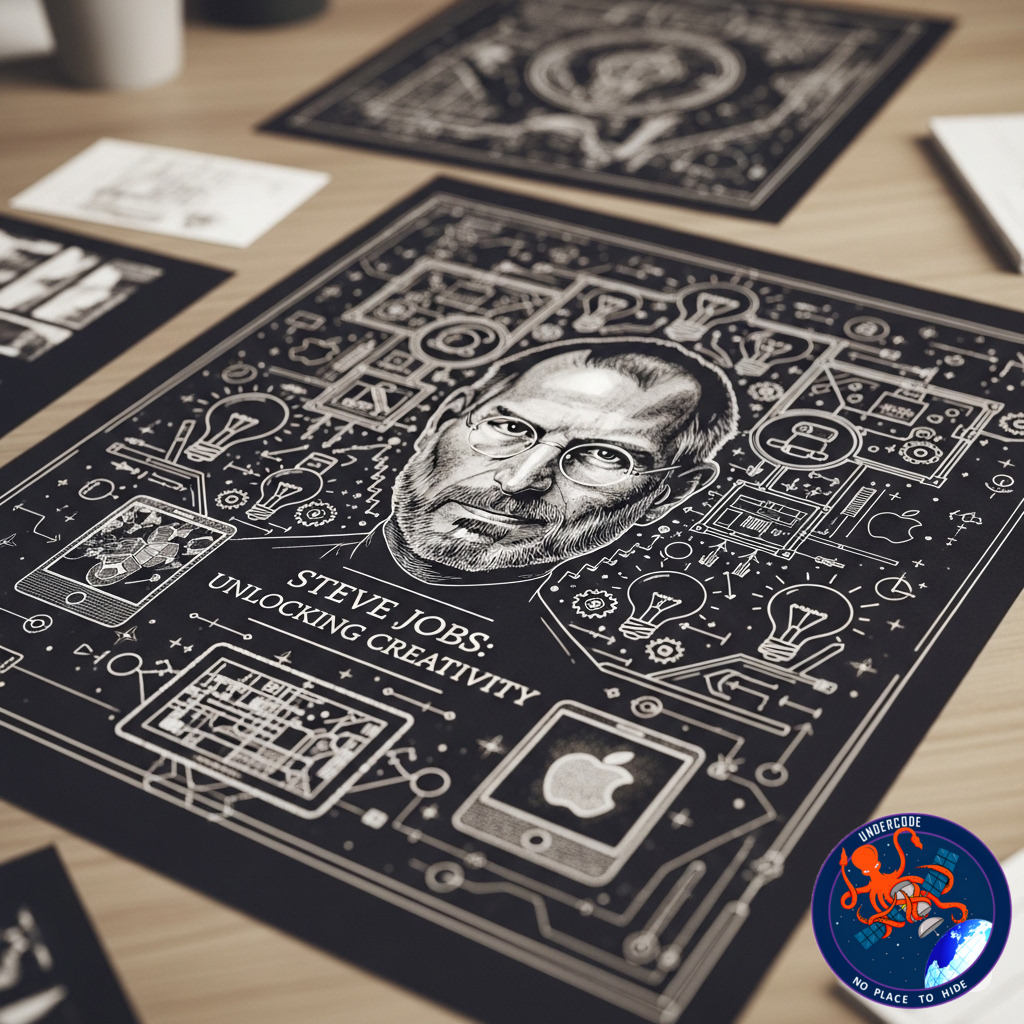
Steve Jobs wasn’t just a tech visionary—he was a master of shaping creativity into world-changing innovation. His approach was never about sudden flashes of genius, but about cultivating specific mindsets and habits that consistently sparked breakthroughs. From his belief in “connecting the dots” to his obsession with simplicity and empathy-driven design, Jobs left behind a creative playbook that remains just as powerful today. Whether you’re an entrepreneur, artist, or problem-solver in any field, his lessons offer a practical guide to turning imagination into impact.
The Seven Creative Lessons from Steve Jobs
Jobs’ philosophy on creativity can be distilled into seven transformative principles:
1. Connecting the Dots
In his legendary 2005 Stanford Commencement speech, Jobs revealed that innovation often emerges from linking ideas across different disciplines. By embracing varied experiences—whether in art, technology, or even calligraphy—you build a mental “library” of unique inputs that can combine into groundbreaking concepts.
2. Stay Hungry, Stay Foolish
Jobs urged us to keep a beginner’s mindset—curious, fearless, and open to learning. This means constantly seeking new challenges, taking calculated risks, and engaging in bursts of intense skill-building to keep your mind agile.
3. Simplify Relentlessly
For Jobs, simplicity wasn’t just elegance—it was clarity. He believed that if an idea was too complex to explain, it wasn’t ready. Removing distractions and focusing on the essence made his products both accessible and unforgettable.
4. Say No to a Thousand Things
Focus is power. Jobs argued that the real magic comes from saying “no” to almost everything, allowing you to pour your energy into the few projects that matter most.
5. Start with Human Experience
True creativity, according to Jobs, begins with empathy. Designing from the user’s perspective ensures solutions not only work but resonate emotionally—something technical specs alone can’t achieve.
6. Think Different with Deep Focus
Innovation requires challenging norms and setting aside uninterrupted time for deep thinking. Jobs valued solitude for exploring bold, unconventional ideas without the noise of routine demands.
7. Build Teams That Raise the Bar
Jobs understood that great ideas thrive in great teams. Surrounding yourself with talented, driven people fosters an environment where ideas are sharpened, tested, and elevated.
By adopting these seven principles, anyone can create conditions where creativity isn’t a random spark—but a reliable, repeatable process for producing groundbreaking work.
What Undercode Say:
Jobs’ creative philosophy resonates deeply because it blends two seemingly opposite qualities—disciplined structure and fearless exploration. Many people imagine creativity as chaotic and spontaneous, but Jobs proved it thrives best when guided by intentional rules.
The brilliance of “connecting the dots” lies in its emphasis on diversity of thought. In an era where AI and algorithms increasingly shape our information diet, exposing ourselves to eclectic, even seemingly irrelevant, experiences becomes a form of competitive advantage. A coder who studies philosophy, or a marketer who dabbles in sculpture, may make connections that purely technical peers simply cannot.
The beginner’s mindset is equally urgent today. Once people find success, they often cling to familiar methods. Jobs reminds us that curiosity is the antidote to stagnation. This mindset fosters adaptability—critical in industries where technological disruption can render old skills obsolete almost overnight.
Relentless simplification is a lesson most modern companies ignore. In pursuit of “more features,” they create bloated products that overwhelm users. Jobs’ approach—removing until only the essential remains—is not just aesthetically pleasing, it’s strategically brilliant. Simplicity increases adoption, builds loyalty, and amplifies a product’s identity.
The art of saying “no” is perhaps the hardest for ambitious professionals. The digital age offers endless opportunities, but overcommitment dilutes impact. Jobs’ advice here is almost minimalist philosophy applied to work—focus on less, but make that less extraordinary.
Starting with human experience is the difference between products people tolerate and those they love. Apple’s success wasn’t because it had the fastest processors—it was because using an iPhone felt effortless, even joyful. This is a reminder that emotional resonance should be part of every design brief.
Deep focus feels almost rebellious today. In a culture obsessed with speed and constant connectivity, carving out distraction-free blocks of time to think deeply is a creative superpower. Many great ideas require quiet incubation, not just frantic execution.
High-performance teams were Jobs’ secret weapon. He didn’t just hire for talent—he hired for shared standards. A mediocre team can dilute a great idea, but an exceptional team will elevate it beyond the original vision.
Ultimately, Jobs’ philosophy is about building a creative ecosystem—a personal and professional environment where ideas can be born, refined, and realized with maximum impact. This ecosystem isn’t just for inventors; it’s relevant to anyone who wants their work to matter.
🔍 Fact Checker Results
✅ Steve Jobs delivered the “connecting the dots” message in his 2005 Stanford Commencement Address.
✅ His “Stay Hungry, Stay Foolish” phrase originated from the back cover of The Whole Earth Catalog, which inspired him.
✅ Apple’s design philosophy under Jobs consistently prioritized simplicity and user experience.
📊 Prediction
As AI and automation reshape industries, Jobs’ principles will become even more valuable. In the coming decade, the professionals and companies that thrive will be those who combine human-centered design, focused creativity, and interdisciplinary thinking. Expect future market leaders to prioritize empathy, simplicity, and deep focus as differentiators in an increasingly noisy, tech-saturated world.
🕵️📝✔️Let’s dive deep and fact‑check.
References:
Reported By: timesofindia.indiatimes.com
Extra Source Hub:
https://www.instagram.com
Wikipedia
OpenAi & Undercode AI
Image Source:
Unsplash
Undercode AI DI v2
🔐JOIN OUR CYBER WORLD [ CVE News • HackMonitor • UndercodeNews ]
📢 Follow UndercodeNews & Stay Tuned:
𝕏 formerly Twitter 🐦 | @ Threads | 🔗 Linkedin | 🦋BlueSky | 🐘Mastodon


