
Listen to this Post
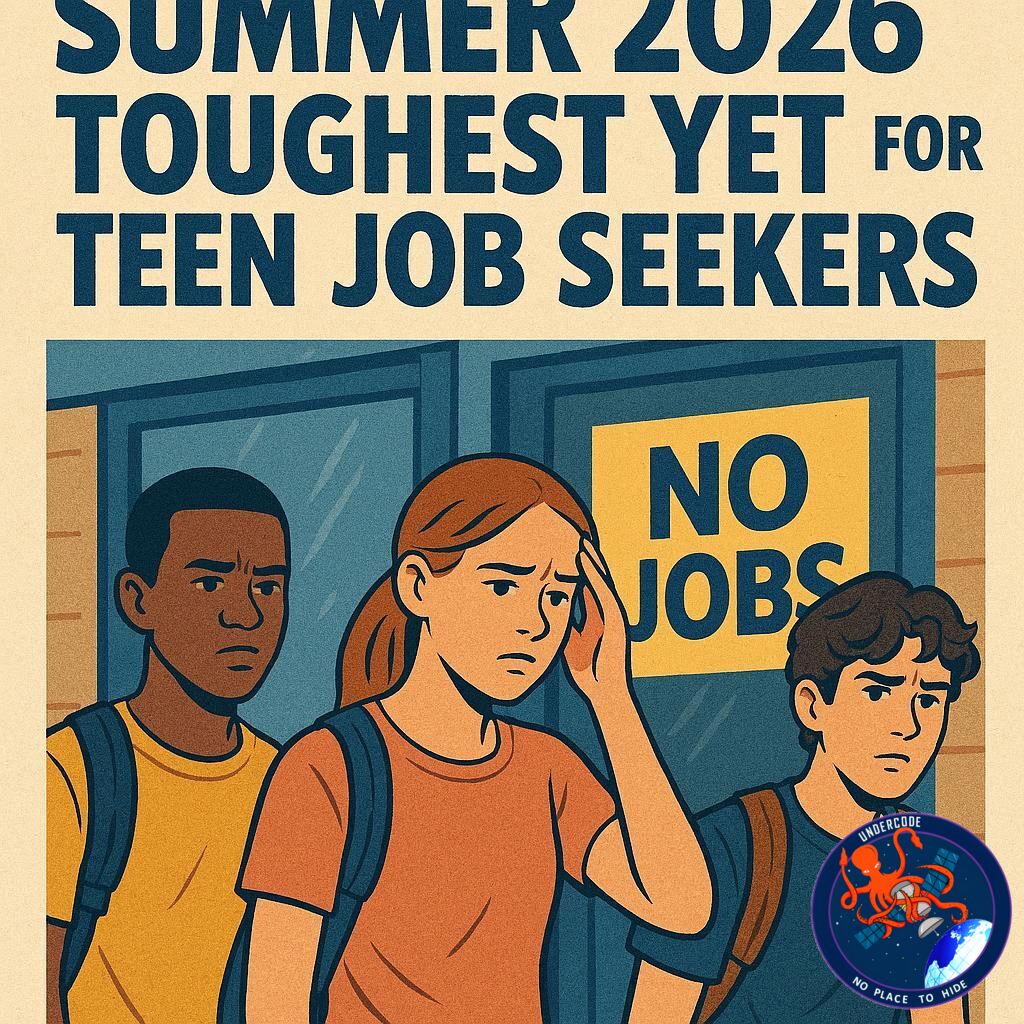
As summer approaches, millions of teens across the United States are bracing for one of the toughest job markets in decades. According to a forecast from outplacement and consulting firm Challenger, Gray & Christmas, the number of summer jobs for teenagers is projected to fall even lower than last year’s record-low figures. This trend reflects broader shifts in the U.S. labor market, driven by structural, economic, and social changes that are reshaping how teens—and the economy at large—approach work.
Record-Low Teen Hiring Expected
Challenger, Gray & Christmas projects that approximately 790,000 jobs will go to teen workers during May, June, and July 2026. This would be below the 801,000 positions filled last summer, which itself was already a historic low, according to unadjusted Bureau of Labor Statistics data. If these projections hold, this summer could mark a new low point for teen employment.
Broader Slowdown in Job Growth
The slowdown isn’t limited to teenagers. Overall U.S. job growth has decelerated since the post-pandemic economic rebound. Experts attribute this to structural factors, including an aging population, slower immigration, and increased adoption of technology that reduces certain entry-level job opportunities.
Other Barriers to Hiring
Several short-term factors have compounded the slowdown. Post-pandemic labor hoarding—where companies retained more staff than needed—has unwound, creating fewer openings. High uncertainty from inflation, tariffs, policy shifts, geopolitical tensions, and rising interest rates has also made employers cautious. Most recently, oil price shocks and other ripple effects from conflicts in the Middle East have added to economic unpredictability.
The Low-Turnover, Low-Opportunity Market
This combination of factors has created a “low-hire, low-fire” environment. Employee turnover has stalled, leaving fewer opportunities for unemployed workers, including teens looking for their first summer jobs.
Challenges Unique to Teen Workers
Today’s teenagers face a set of challenges that differ significantly from those faced by their counterparts in past decades. According to Andy Challenger, chief revenue officer at Challenger, Gray & Christmas, teens aged 16 to 19 are juggling Advanced Placement coursework, family caregiving responsibilities, year-round club sports, summer enrichment programs, paid internships, and online side hustles. These commitments have changed how families and teens weigh the benefits of a traditional summer job.
Economic Pressures Squeeze Opportunities
Rising fuel costs and inflation are affecting both households and businesses. When profit margins tighten, companies tend to postpone hiring until demand clearly justifies it, further limiting teen job opportunities this summer.
A Shift in Teen Workforce Dynamics
The modern teen workforce is no longer the same as in the 1980s. Teens today often prioritize education, extracurriculars, and digital entrepreneurship over traditional summer jobs, which reduces the pool of available labor and changes how employers plan seasonal hiring.
What Undercode Says:
The projected decline in teen hiring reflects a deeper structural transformation in the U.S. labor market. Several long-term trends converge here:
Aging Demographics: The population of working-age teens is shrinking slightly relative to older cohorts, reducing the pool of potential summer employees.
Technological Displacement: Automation and AI adoption in retail, food service, and other sectors traditionally dominated by teens are limiting entry-level opportunities.
Economic Volatility: Inflation, interest rate fluctuations, and global conflicts introduce uncertainty that encourages businesses to hire conservatively.
Shifts in Teen Priorities: The modern teen is highly multitasked, with commitments to education, sports, and digital income streams, lowering participation in traditional summer roles.
High Labor Retention: Companies are maintaining more of their existing workforce to avoid turnover costs, meaning fewer seasonal openings.
These combined factors suggest that teen employment won’t just see a temporary dip—it may indicate a permanent reshaping of summer work culture. Families and teens may increasingly view summer work as optional, supplemental, or digitally focused, rather than a traditional rite of passage.
Fact Checker Results ✅/❌
Projected Teen Jobs: ✅ Figures cited by Challenger, Gray & Christmas match BLS data.
Influence of AI and Technology: ✅ Widely reported in labor studies as affecting entry-level positions.
Impact of Inflation and Oil Prices: ✅ Economic reports confirm rising costs reduce hiring margins.
📊 Prediction
If current trends continue, teen employment during summer months may drop below 750,000 by 2027, potentially creating a new norm where traditional summer jobs are increasingly replaced by online or internship-based opportunities. Families may need to adjust expectations, focusing more on flexible or digital roles for teenagers, while employers might pivot to creative staffing solutions to maintain seasonal productivity.
This summer could mark the beginning of a permanent evolution in how teens work, learn, and earn—blurring the lines between education, entrepreneurship, and traditional employment.
🕵️📝Let’s dive deep and fact‑check.
References:
Reported By: edition.cnn.com
Extra Source Hub (Possible Sources for article):
https://www.quora.com/topic/Technology
Wikipedia
OpenAi & Undercode AI
Image Source:
Unsplash
Undercode AI DI v2
Bing
🔐JOIN OUR CYBER WORLD [ CVE News • HackMonitor • UndercodeNews ]
📢 Follow UndercodeNews & Stay Tuned:
𝕏 formerly Twitter 🐦 | @ Threads | 🔗 Linkedin | 🦋BlueSky | 🐘Mastodon | 📺Youtube


