
Listen to this Post
Introduction: A Silent War in the Digital Supply Chain
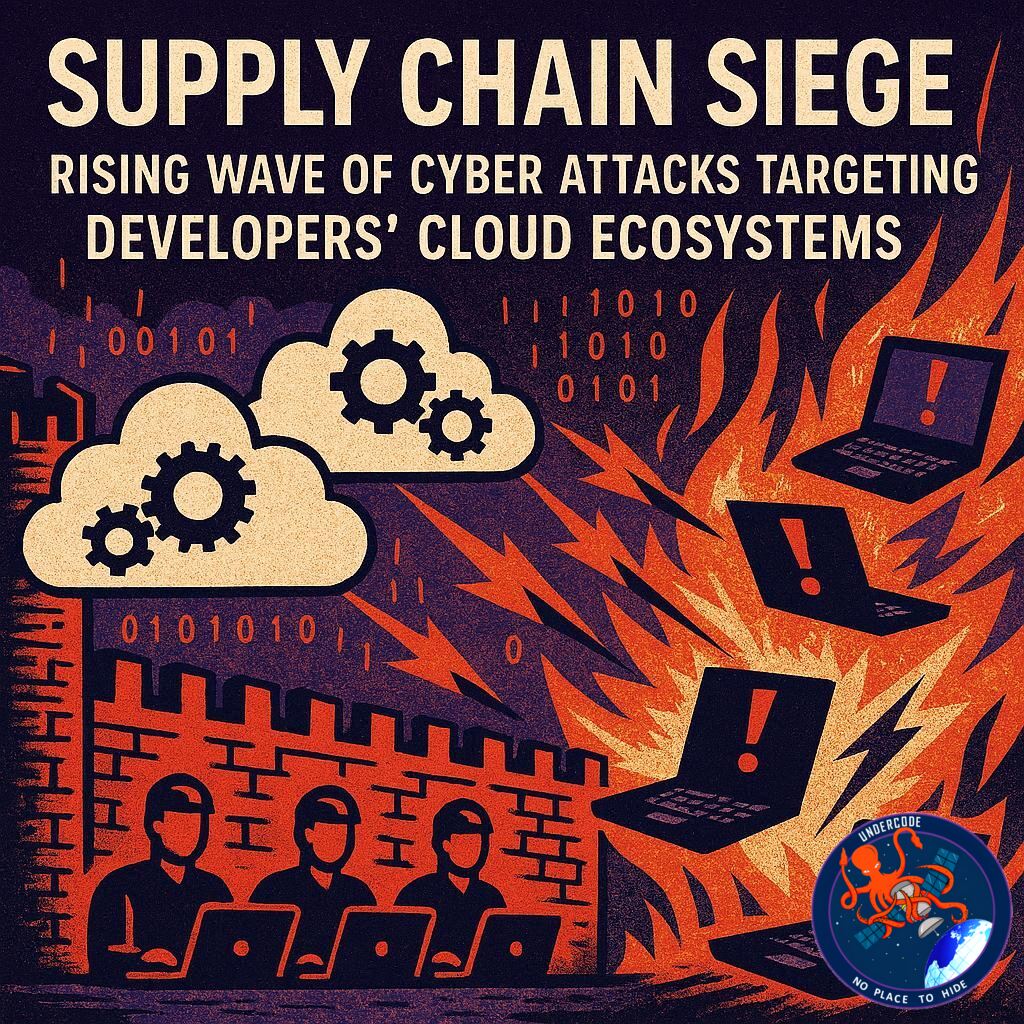
Cybersecurity threats are evolving at an alarming pace, and the latest weekly threat recap highlights a troubling pattern—attackers are no longer just targeting end users but are now aggressively exploiting the very foundations of modern software development. Platforms like PyPI, npm, Docker, and cloud-based tools have become prime targets in a growing wave of supply-chain attacks. Alongside this, credential theft and sophisticated phishing campaigns are escalating, exposing vulnerabilities across development pipelines. With threat actors such as LiteLLM, PawnStorm, and DarkSword actively involved, the cybersecurity landscape is entering a new phase—one where trust in widely used tools is increasingly under threat.
the Original Report
The weekly cybersecurity threat recap sheds light on a surge in attacks focused on software supply chains and cloud infrastructure. Attackers are leveraging trusted ecosystems such as Python Package Index (PyPI), Node Package Manager (npm), and Docker repositories to distribute malicious code. These platforms, widely used by developers worldwide, are becoming key entry points for cybercriminals seeking to infiltrate systems at scale.
Credential theft remains one of the most prominent tactics observed. Attackers are deploying phishing campaigns designed to trick developers and system administrators into revealing login details. Once compromised, these credentials provide direct access to sensitive environments, allowing attackers to manipulate codebases, inject malware, or exfiltrate data.
The report also identifies several threat actors behind these activities. Groups such as LiteLLM, PawnStorm, and DarkSword are actively conducting operations targeting cloud services and development environments. Their methods include creating malicious packages that mimic legitimate ones, exploiting weak authentication systems, and leveraging social engineering techniques to bypass security measures.
In addition to supply-chain attacks, there are indications of geopolitical motivations behind some cyber incidents. A separate report highlights a breach involving Iran-linked hackers known as Handala, who allegedly accessed the personal email of a high-profile individual. Although the leaked data was described as historical and non-governmental, the attack is believed to be retaliatory in nature, linked to previous law enforcement actions and financial incentives offered by the U.S. government.
Defenders are increasingly focusing on detection strategies to combat these threats. Security experts emphasize the importance of monitoring unusual activity in package repositories, implementing stronger authentication mechanisms, and educating users about phishing risks. Despite these efforts, the scale and sophistication of current attacks suggest that traditional defenses may no longer be sufficient.
Overall, the report paints a concerning picture of a rapidly shifting threat landscape. As developers and organizations continue to rely heavily on open-source tools and cloud infrastructure, the attack surface expands, providing cybercriminals with more opportunities to exploit weaknesses. The need for proactive security measures has never been more urgent.
What Undercode Say:
The current wave of supply-chain attacks signals a fundamental shift in how cybercriminals approach infiltration. Rather than targeting individual systems, attackers are now focusing on centralized ecosystems that serve thousands—or even millions—of users. This strategy dramatically increases their reach while reducing the effort required to compromise multiple targets.
One of the most concerning aspects is the exploitation of trust. Developers inherently trust platforms like PyPI and npm because they are essential to modern software development. By injecting malicious packages into these repositories, attackers effectively weaponize that trust. This creates a scenario where even experienced developers can unknowingly introduce vulnerabilities into their own projects.
Credential theft remains a cornerstone of these attacks, and its persistence highlights a critical weakness in current security practices. Despite widespread awareness, phishing continues to succeed because it targets human behavior rather than technical flaws. Attackers are refining their tactics, making phishing emails more convincing and harder to detect.
The involvement of organized threat groups such as PawnStorm and DarkSword suggests a level of coordination and resource investment that goes beyond opportunistic hacking. These groups are likely leveraging automation, artificial intelligence, and large-scale infrastructure to conduct their campaigns. This raises the stakes significantly, as it indicates that these attacks are not only increasing in frequency but also in sophistication.
Another important dimension is the geopolitical angle. The reported breach involving Iran-linked hackers demonstrates how cyber operations are increasingly being used as tools of political retaliation. Even when the data involved is not classified, the symbolic impact of such breaches can be substantial, sending a message and escalating tensions between nations.
From a defensive standpoint, the traditional perimeter-based security model is becoming obsolete. Organizations can no longer rely solely on firewalls and antivirus software. Instead, they must adopt a more holistic approach that includes zero-trust architectures, continuous monitoring, and behavioral analysis.
Education also plays a crucial role. Developers and employees must be trained to recognize phishing attempts and understand the risks associated with third-party dependencies. Without this awareness, even the most advanced security systems can be undermined by simple human error.
The rise of cloud computing further complicates the situation. While cloud platforms offer scalability and convenience, they also introduce new vulnerabilities. Misconfigured services, weak access controls, and insufficient monitoring can all be exploited by attackers. As more organizations migrate to the cloud, these risks will continue to grow.
Ultimately, the current threat landscape underscores the need for a cultural shift in cybersecurity. Security must be integrated into every stage of development and operations, rather than being treated as an afterthought. This requires collaboration between developers, security teams, and organizational leadership to build resilient systems capable of withstanding modern threats.
Fact Checker Results
The report accurately reflects the growing trend of supply-chain attacks targeting developer ecosystems and open-source platforms.
Claims about credential theft and phishing remain consistent with widely observed cybersecurity patterns.
The geopolitical breach mentioned appears plausible, though details about attribution and intent should be treated cautiously due to limited public verification.
Prediction
The frequency of supply-chain attacks is expected to increase as attackers continue to exploit centralized development platforms. Organizations will likely adopt stricter verification processes for third-party packages and invest more in automated threat detection systems. Meanwhile, geopolitical cyber incidents may become more common, blurring the line between traditional warfare and digital conflict.
🕵️📝✔️Let’s dive deep and fact‑check.
References:
Reported By: x.com
Extra Source Hub (Possible Sources for article):
https://www.medium.com
Wikipedia
OpenAi & Undercode AI
Image Source:
Unsplash
Undercode AI DI v2
Bing
🔐JOIN OUR CYBER WORLD [ CVE News • HackMonitor • UndercodeNews ]
📢 Follow UndercodeNews & Stay Tuned:
𝕏 formerly Twitter 🐦 | @ Threads | 🔗 Linkedin | 🦋BlueSky | 🐘Mastodon


