
Listen to this Post
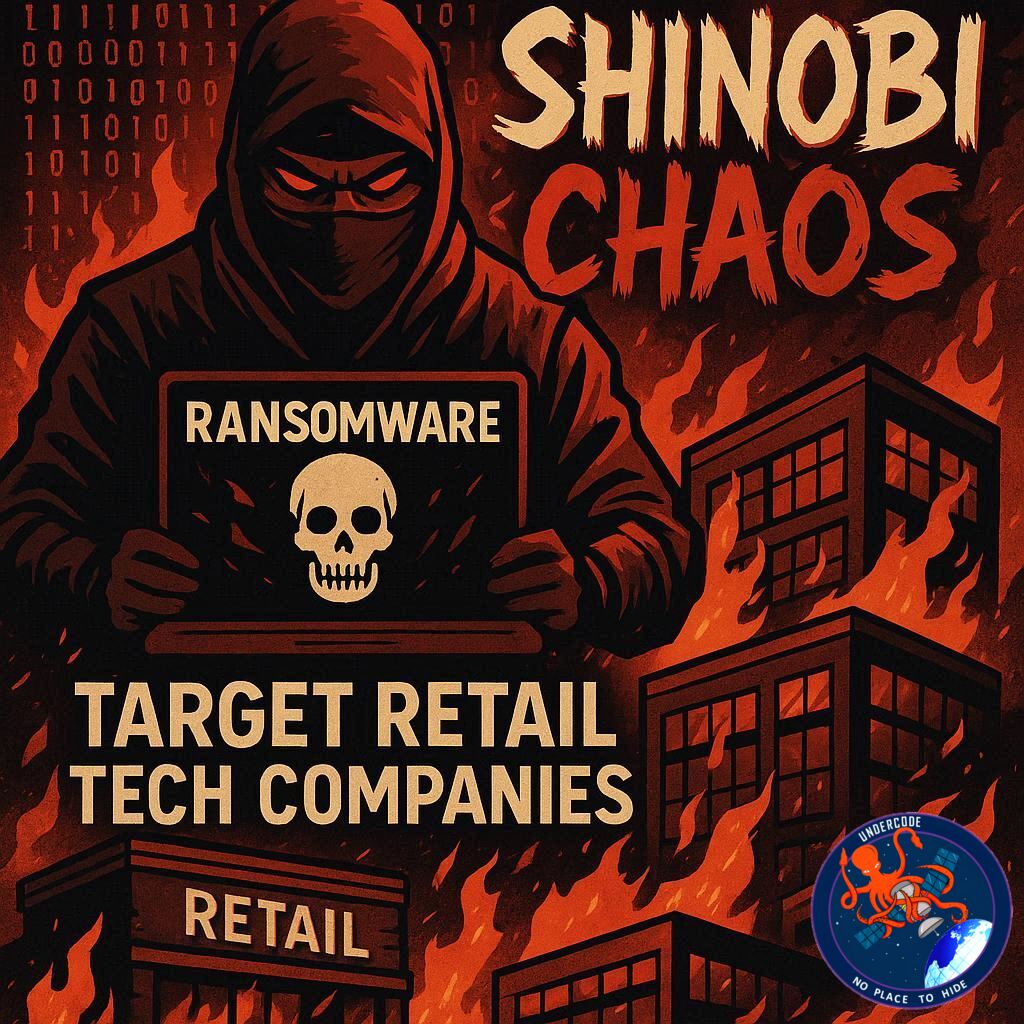
In a stark reminder of the growing cybercrime threat, two ransomware groups, Sinobi and Chaos, have reportedly expanded their victim lists, targeting high-profile organizations across different sectors. Recent intelligence from the ThreatMon Threat Intelligence Team has highlighted these incursions, signaling a worrying trend for businesses worldwide. As ransomware attacks become increasingly sophisticated, companies are facing unprecedented risks to their operations, customer data, and reputations.
On October 28, 2025, at 00:26 UTC+3, Sinobi, a notorious ransomware actor, reportedly added Cohen’s Fashion Optical, a retail chain specializing in eyewear, to its list of victims. This attack follows a pattern observed in recent months where ransomware groups specifically target consumer-facing companies with extensive customer databases, aiming to extract significant ransoms by threatening to leak sensitive information. Just two hours later, at 02:10 UTC+3, the Chaos ransomware group reportedly compromised DeCeTe, an organization in the tech sector. Both incidents were detected and documented by ThreatMon, a cybersecurity intelligence firm monitoring the dark web for ransomware activity.
The attacks underline the diverse target profile of modern ransomware campaigns. Sinobi and Chaos are known not only for deploying sophisticated encryption methods that lock critical business data but also for their strategic approach of publicizing victims to pressure organizations into paying hefty ransoms. By exposing victim lists on dark web forums, these groups amplify the psychological and reputational impact on affected companies. In the case of Cohen’s Fashion Optical, customer trust could be severely damaged if private customer and financial data were compromised. Meanwhile, DeCeTe may face operational disruption, intellectual property theft, or financial losses due to its tech industry profile.
This trend reflects a broader shift in cybercrime tactics. Previously, ransomware attacks were often indiscriminate, targeting any vulnerable system. Now, threat actors carefully select organizations based on potential leverage and public impact, showing increased professionalism and strategic planning. Retailers, with their large consumer databases, and tech firms, with proprietary software and intellectual property, are increasingly attractive targets. ThreatMon’s early detection plays a critical role in providing organizations with actionable intelligence, helping mitigate potential breaches before ransom demands escalate.
Cybersecurity experts warn that such attacks are unlikely to decrease. The profitability of ransomware, coupled with the relative anonymity provided by cryptocurrency transactions, continues to fuel this criminal ecosystem. Companies must adopt proactive measures including regular data backups, endpoint protection, employee training on phishing attacks, and incident response planning. Regulatory pressure is also mounting, with authorities worldwide pushing for stricter reporting requirements and tougher penalties for inadequate cybersecurity practices.
What Undercode Say:
The recent attacks by Sinobi and Chaos illustrate the increasing sophistication of ransomware operations and the urgent need for organizations to elevate their cyber resilience. Unlike opportunistic cybercriminals, these groups are adopting a business-like approach: they analyze target value, operational leverage, and potential media fallout to maximize impact. For Cohen’s Fashion Optical, the attack represents not just a financial risk but a reputational one, as breaches in consumer-facing retail businesses often lead to loss of customer trust, legal exposure, and potential regulatory scrutiny.
Meanwhile, Chaos’s targeting of DeCeTe signals that even tech-savvy firms with potentially advanced cybersecurity protocols are not immune. Attackers are leveraging both technical exploits and social engineering to bypass defenses. This suggests a shift from purely automated attacks to hybrid approaches combining malware, phishing, and insider knowledge. Organizations must recognize that cyber threats are increasingly personalized; cookie-cutter defenses are no longer sufficient.
Proactive threat intelligence, like the monitoring provided by ThreatMon, is becoming indispensable. Businesses must move from reactive to anticipatory cybersecurity models, integrating AI-powered monitoring, anomaly detection, and real-time threat assessments. Importantly, board-level awareness and investment in cybersecurity are essential, as ransomware attacks now directly affect business continuity and shareholder value.
Another concern is the “name-and-shame” tactic employed by ransomware groups. By publicizing victims on dark web forums, attackers create additional leverage and psychological pressure, sometimes triggering preemptive payment decisions by companies eager to avoid public exposure. Regulatory frameworks such as GDPR and emerging cyber laws in multiple regions may penalize organizations that fail to prevent data leaks, further compounding the financial impact of ransomware incidents.
The rise of Sinobi and Chaos also highlights the global interconnectedness of cybercrime. These groups often operate across borders, exploiting jurisdictions with weak enforcement. International cooperation, intelligence-sharing, and cross-border legal frameworks are essential to combat these threats effectively. Companies cannot rely solely on internal defenses; collaboration with cybersecurity agencies, threat intelligence firms, and industry consortia is increasingly critical.
Training employees remains a frontline defense. Despite sophisticated malware, most ransomware breaches still exploit human error. Organizations that foster cybersecurity awareness, phishing simulations, and strict access controls are better positioned to mitigate risks. Combining technical safeguards with human vigilance creates a layered defense that is more resilient to modern ransomware campaigns.
The financial incentive for ransomware actors is also evolving. Cryptocurrency adoption has streamlined payment processes, while ransomware-as-a-service (RaaS) platforms lower entry barriers for less experienced cybercriminals. This democratization of cybercrime contributes to the proliferation of attacks, making early detection and comprehensive preparedness vital for organizations of all sizes.
In conclusion, the Sinobi and Chaos incidents underscore the urgent need for businesses to reevaluate their cybersecurity strategies. With threat actors operating like sophisticated enterprises, the stakes are higher than ever. Companies must adopt proactive intelligence, multi-layered defenses, employee education, and international cooperation to stay ahead of this rapidly escalating threat landscape.
Fact Checker Results:
✅ Sinobi targeted
✅ Chaos targeted DeCeTe on Oct 28, 2025.
❌ No evidence suggests either attack has been resolved or ransom paid yet.
Prediction:
📈 The trend of targeted ransomware attacks will intensify over the next 12 months, particularly against consumer-facing and tech companies. Organizations failing to implement proactive threat intelligence and robust incident response measures are likely to face higher financial and reputational losses. We may also see increased regulatory actions and cross-border enforcement efforts in response to this rising threat.
🕵️📝✔️Let’s dive deep and fact‑check.
References:
Reported By: x.com
Extra Source Hub (Possible Sources for article):
https://www.medium.com
Wikipedia
OpenAi & Undercode AI
Image Source:
Unsplash
Undercode AI DI v2
Bing
🔐JOIN OUR CYBER WORLD [ CVE News • HackMonitor • UndercodeNews ]
📢 Follow UndercodeNews & Stay Tuned:
𝕏 formerly Twitter 🐦 | @ Threads | 🔗 Linkedin | 🦋BlueSky | 🐘Mastodon


