
Listen to this Post
A Fresh Attempt to Win Back Disillusioned Customers
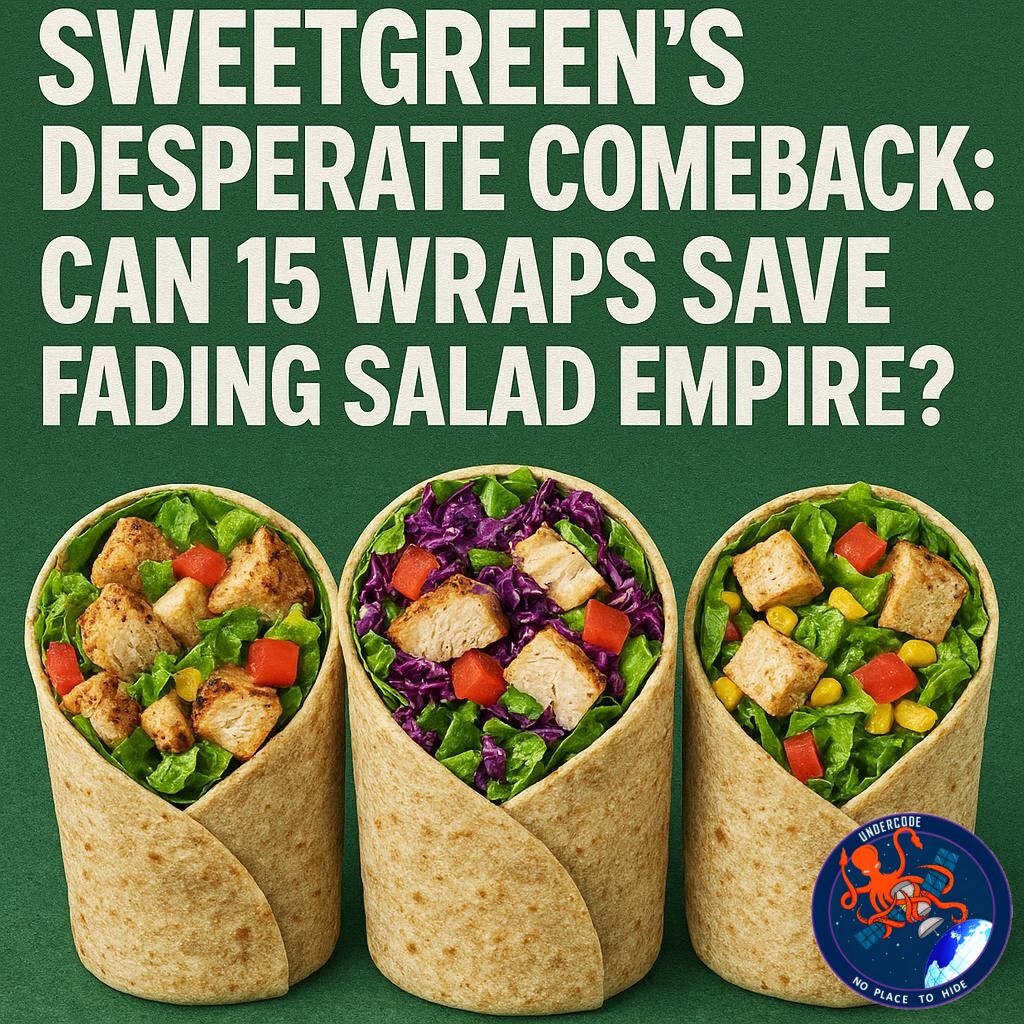
Sweetgreen is making a bold pivot as it tries to win back customers who have grown weary of its once-popular salads. The company is introducing a new line of chicken wraps—four variations priced under $15—in an effort to reignite interest and reposition itself as both affordable and appealing. This move signals a shift in strategy for a brand that once thrived on premium, health-focused meals but is now grappling with declining customer enthusiasm.
A Company Under Pressure
The timing of this launch is far from coincidental. Sweetgreen has faced a turbulent period, with its stock losing a staggering 80% of its value over the past year. On top of that, the company reported an 11.5% drop in same-store sales in its most recent quarter. These figures highlight a deeper issue: even loyal customers are no longer engaging with the brand as frequently as before.
The Problem of Menu Fatigue
According to cofounder Nicolas Jammet, the decline is partly due to menu fatigue. Customers who once embraced Sweetgreen’s bowls and salads are now seeking variety. Eating similar meals daily, even if healthy, has proven unsustainable for long-term customer retention. This realization has forced the company to rethink its offerings.
Changing Consumer Behavior
Younger consumers, in particular, have been pulling back from expensive lunch options. Rising living costs have led many to pack meals from home or opt for cheaper fast-food alternatives. Competitors offering discounts and more diverse menus have capitalized on this shift, leaving Sweetgreen struggling to maintain its customer base.
Wraps as a Strategic Entry Point
The introduction of wraps is designed to address multiple issues at once. Not only do they provide variety, but they also hit a more accessible price point. By keeping wraps under $15, Sweetgreen aims to remove the perception that it is overpriced while also attracting new customers who may have previously avoided the brand.
Falling Foot Traffic Signals Trouble
Customer visits to Sweetgreen locations have been steadily declining. The company reported a 13% drop in visits toward the end of last year, reflecting a broader disengagement from its core audience. This downward trend has intensified the urgency for innovation.
Playing Catch-Up in a Competitive Market
Sweetgreen is not the first to introduce wraps. Competitors like Chopt and Just Salad have offered them for years. Meanwhile, Cava has successfully expanded its menu with pita wraps and continues to see strong growth, even raising its full-year sales forecast.
Industry Insight on Wrap Appeal
Industry expert Robert Byrne points out that wraps are a proven format in the fast-casual sector. They combine convenience, portability, and perceived health benefits—qualities that resonate strongly with modern consumers. For Sweetgreen, adopting this format is less about innovation and more about survival.
Learning from Past Failures
Sweetgreen’s previous attempt at expanding its menu did not go as planned. The introduction of ripple fries—a supposedly healthier version of a fast-food staple—failed within five months. Operational inefficiencies, such as the need to air-fry potatoes every 20 to 30 minutes, slowed service and ultimately led to the item’s removal.
Testing and Refining the Wrap Concept
Unlike its failed fries experiment, Sweetgreen took a more measured approach with wraps. The company tested them in around 70 locations across major regions, including New York and Los Angeles. This trial phase allowed the company to refine everything from ingredient ratios to preparation techniques.
Operational Adjustments Behind the Scenes
Integrating wraps into existing kitchen workflows required minimal changes. The addition of tortilla presses and designated wrapping stations allowed restaurants to maintain efficiency without major disruptions. Employees underwent extensive training to ensure consistency and speed in preparation.
Pricing Strategy Targets Budget-Conscious Diners
Wrap prices vary depending on location, ranging from $11 to $15. This pricing strategy aligns with Sweetgreen’s broader effort to introduce more budget-friendly options, including $10 specials. The goal is clear: attract cost-conscious consumers without compromising brand identity.
Customer Sentiment Remains Weak
Despite these efforts, customer sentiment toward Sweetgreen has remained consistently negative over the past six months. Data indicates a continued decline in traffic, with a 7.6% drop reported in March alone. In contrast, competitors like Cava saw a 6.8% increase during the same period.
A Critical Moment for Investors
Sweetgreen’s upcoming earnings report will be closely watched by investors. It will provide crucial insight into whether the company’s new strategy—centered around affordability and menu diversification—is beginning to pay off.
What Undercode Say: The Real Story Behind Sweetgreen’s Reinvention
A Brand Identity Crisis in Motion
Sweetgreen’s shift toward wraps is not just a menu update—it’s a clear sign of an identity crisis. The brand built its reputation on premium, health-conscious dining, but that positioning has become a liability in a price-sensitive market.
The Danger of Premium Fatigue
Consumers are increasingly rejecting brands that feel expensive without delivering proportional value. Sweetgreen’s challenge lies in maintaining its “healthy luxury” image while becoming more accessible—a balance that is notoriously difficult to achieve.
Competitive Pressure Is Intensifying
Chains like Cava and others are not just competitors—they are outperforming Sweetgreen in both innovation and pricing strategy. This puts Sweetgreen in a reactive position rather than a leadership role in the industry.
Wraps Are a Safe but Predictable Move
Introducing wraps is a logical step, but it lacks originality. Sweetgreen is adopting a format that has already been validated by competitors, meaning it is unlikely to create a significant competitive edge on its own.
Operational Efficiency Will Be Key
Unlike the failed fries experiment, wraps appear to integrate smoothly into existing operations. This suggests that Sweetgreen is learning from past mistakes, focusing on scalability and efficiency rather than novelty.
Pricing Strategy Could Be a Double-Edged Sword
Lowering prices may attract customers in the short term, but it could also dilute the brand’s premium perception. If not managed carefully, Sweetgreen risks becoming just another mid-tier fast-casual chain.
Customer Experience Still Needs Improvement
Menu changes alone will not fix declining traffic. Customer sentiment suggests deeper issues, possibly related to service speed, consistency, or overall value perception.
Market Trends Favor Flexibility and Variety
Modern consumers prioritize choice and customization. Sweetgreen’s previous reliance on salads limited its appeal, but expanding into wraps could open new opportunities if executed well.
Investor Confidence Is Hanging by a Thread
With such a dramatic drop in stock value, investors are looking for tangible signs of recovery. The success or failure of this wrap initiative could significantly influence market perception.
A Make-or-Break Moment
This phase represents a turning point for Sweetgreen. The company must prove that it can adapt quickly to changing consumer behavior while maintaining operational discipline.
🔍 Fact Checker Results
✅ Verified Performance Decline
Sweetgreen has indeed reported declining sales and reduced customer visits, confirming a downward trend.
✅ Competitive Advantage of Rivals
Competitors like Cava have shown stronger growth metrics, validating claims of market pressure.
❌ Wraps as a Guaranteed Solution
There is no evidence that introducing wraps alone will reverse Sweetgreen’s overall decline.
📊 Prediction
A Short-Term Boost, Not a Long-Term Fix
The introduction of wraps will likely generate a temporary increase in customer traffic due to curiosity and pricing appeal. However, without broader improvements in brand perception, menu innovation, and customer experience, the impact may fade quickly. Sweetgreen’s long-term recovery will depend on whether it can evolve beyond reactive strategies and redefine its position in an increasingly competitive fast-casual landscape.
🕵️📝Let’s dive deep and fact‑check.
References:
Reported By: edition.cnn.com
Extra Source Hub (Possible Sources for article):
https://www.stackexchange.com
Wikipedia
OpenAi & Undercode AI
Image Source:
Unsplash
Undercode AI DI v2
Bing
🔐JOIN OUR CYBER WORLD [ CVE News • HackMonitor • UndercodeNews ]
📢 Follow UndercodeNews & Stay Tuned:
𝕏 formerly Twitter 🐦 | @ Threads | 🔗 Linkedin | 🦋BlueSky | 🐘Mastodon


