
Listen to this Post
 Introduction: Mounting Pressure in a Market Running Out of Air
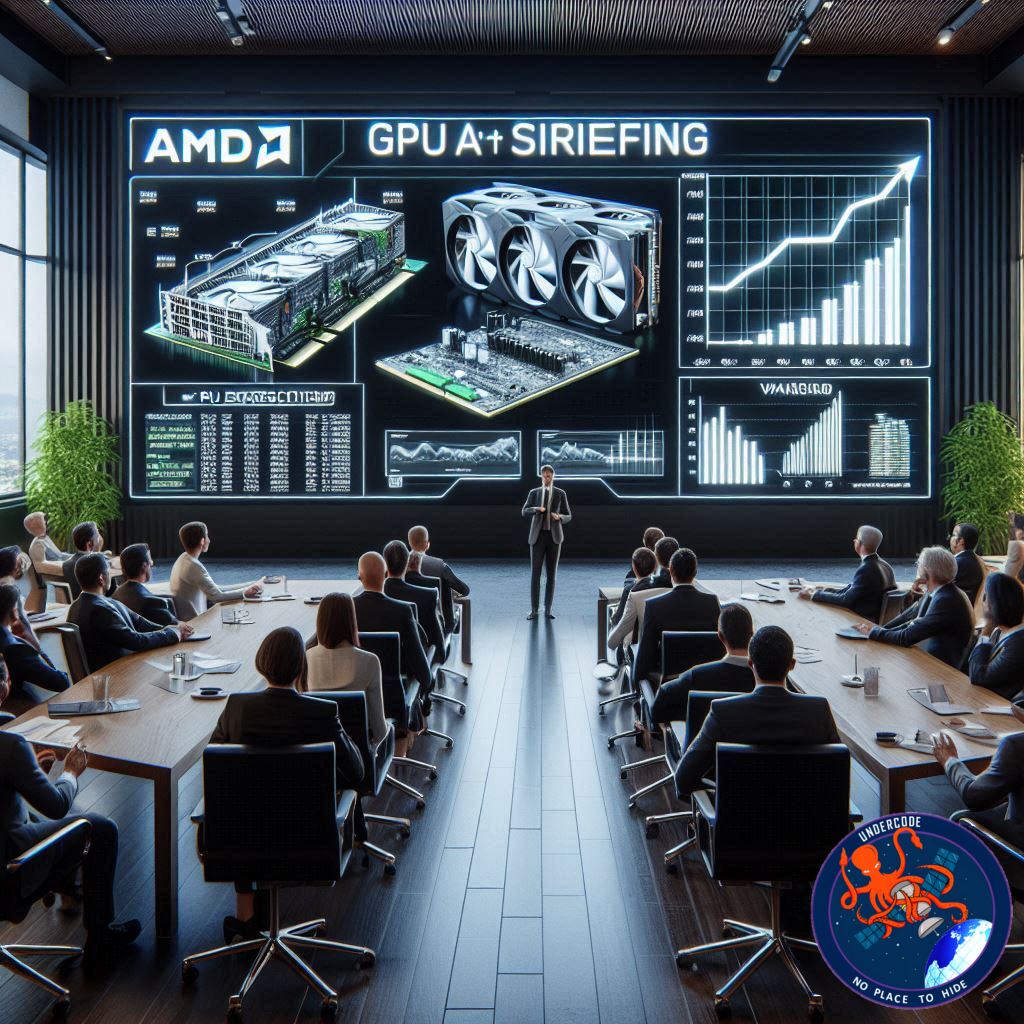
The global PC hardware market is walking a tightrope. AI demand is soaring, supply chains are buckling, and memory costs are rising with a ferocity not seen in years. Every ripple in this ecosystem hits GPUs first, and now a new wave is forming. Reports emerging from manufacturing hubs in Asia suggest AMD could soon raise GPU prices, adding fresh strain to a component category already battered by shortages, inflated MSRPs, and relentless VRAM cost spikes. For everyday builders, that means something simple: the holiday season might be the last window before the next climb.
Market Rumors on the Rise
Fresh leaks indicate AMD board partners are preparing for higher pricing structures.
Potential Hikes Across Multiple Models
The reported increases, roughly $20 for 8GB cards and $40 for 16GB cards, suggest the strain is not isolated to high-end units.
Ambiguity Surrounding RDNA 4
There is no clear indication whether only RDNA 4 GPUs will be affected or if the increases will spill into previous generations.
VRAM Supply Constraints Intensifying
Global memory shortages continue to put upward pressure on pricing, especially GDDR6 and GDDR6X.
RAM Pricing Reaches New Highs
System RAM has already climbed to levels shocking even veteran builders, with some kits approaching the cost of full consoles.
Industry Sources Highlight Widespread Impact
Chinese supply-chain channels point to a year-end adjustment window that could hit the entire Radeon lineup.
Nvidia and AMD Considering Cuts to Lower Tiers
Additional whispers suggest both GPU giants may reduce or remove low to mid-range cards due to ballooning VRAM costs.
The Threat of a New GPU Crisis
Stacked pressures evoke memories of the mining boom, where pricing went wild and stock disappeared overnight.
PC Market Fatigue Evident
Fluctuating demand and unpredictable price swings have discouraged many from upgrading throughout the past year.
Stock Volatility Adds Stress
Even as demand dips, availability remains inconsistent, making timing purchases almost impossible.
MSRP Drift Continues
Many cards still sell well above their official price due to limited supply and rising manufacturing costs.
Holiday Window Seen as a Final Opportunity
Analysts believe December may offer the last “normal” deals for months ahead.
Black Friday and Cyber Monday Provided Momentary Relief
Those who bought during major sales may have escaped the incoming spike.
Current Discounts Could Disappear Overnight
With rumors mounting, retailers may adjust pricing sooner than expected.
VRAM Becoming the New Bottleneck
As AI models and games push VRAM requirements, manufacturers struggle to meet demand.
Entry-Level PCs Threatened by Memory Costs
Some RAM kits now cost more than budget gaming desktops, reshaping what “entry level” even means.
APU and Integrated Graphics Markets Also at Risk
Rising memory prices could spill into devices not traditionally impacted.
GPU Pricing Already Painful for Most Gamers
Even without official hikes, new cards have trended upward across all brands.
Rumors Drive Market Uncertainty
The frequency of leaks adds legitimacy to the concern, even before confirmations arrive.
AI Industry Soaking Up Hardware
Training servers absorb massive VRAM supplies, reducing availability for consumer GPUs.
Manufacturers Struggling With Component Bidding Wars
Various sectors compete for limited memory inventories.
Historical Parallels Offer Little Comfort
Past price spikes took months or years to stabilize.
Gaming Market Particularly Vulnerable
New PC releases often demand more VRAM, making shortages even more painful.
Prebuilt Systems Might Become Safer Purchases
Bundles may temporarily shield buyers from part-by-part inflation.
Builder Sentiment Trending Negative
Communities show increasing frustration with unpredictable component markets.
Retailers Bracing for Adjustments
Some vendors reportedly expect price lists to change early next year.
Holiday Demand Could Accelerate the Spike
A surge in purchases may tighten availability further.
Unprecedented RAM Prices Are a Warning Sign
The market often telegraphs changes through memory first.
Next-Gen GPUs Could Launch at Higher MSRPs
Manufacturing cost trends suggest long-term implications, not temporary turbulence.
What Undercode Say:
A Market Entering Structural Instability
The GPU market is no longer dealing with temporary turbulence. It is experiencing structural pressure from VRAM demand that grows faster than the industry can supply. The AI ecosystem is accelerating this imbalance, consuming memory resources at a pace that dwarfs gaming or consumer workloads. When a sector with virtually unlimited funding demands billions in VRAM, consumer hardware becomes collateral.
Why AMD’s Move Makes Strategic Sense
If AMD increases prices, the decision would likely be defensive, not opportunistic. VRAM is now the costliest component in many boards, and manufacturers cannot absorb the difference indefinitely. Unlike CPUs, GPUs rely heavily on memory bandwidth and inventory availability. When memory costs rise, GPU margins collapse unless pricing adjusts upward.
Nvidia’s Position Only Strengthens
If both AMD and Nvidia cut lower-tier cards, Nvidia stands to gain from a market increasingly dependent on mid to high-tier models. Nvidia’s dominance in AI provides leverage that AMD and Intel cannot easily counter. A reduced entry-level market also funnels more budget-conscious users toward older models or integrated graphics, reshaping demand curves.
The Risk of a Vanishing Budget Segment
If VRAM costs continue climbing, GPUs under $300 could become rare. The disappearance of budget cards would stall PC gaming’s growth, push more consumers toward cloud gaming, and reduce upgrade cycles. Historically, accessible low-tier hardware has been the foundation of widespread adoption.
Retail Strategy Will Evolve Quickly
Retailers may hoard current inventory, waiting for market signals before repricing. This often leads to temporary artificial scarcity, even when stock physically exists. If price increases become official, the remaining supply of older-priced units will vanish in days, not weeks.
Consumers Should Interpret RAM Prices as a Leading Indicator
RAM has already reached absurd levels in some regions. Price spikes this severe rarely stay isolated to a single category. VRAM uses similar production lines and competes for overlapping resources. If system RAM costs continue climbing, VRAM is guaranteed to follow.
AI Boom Could Redefine Gaming Hardware Priorities
Developers may adjust optimization strategies if consumer VRAM becomes prohibitively expensive. This could force more emphasis on streaming assets, compression, and dynamic memory allocation. But that shift takes time and would likely disadvantage high-fidelity titles in the interim.
The GPU Crisis Could Become a Multi-Year Cycle
The industry has not yet adapted manufacturing capacity to post-2022 AI demands. Without new fabs, memory expansion, and diversified production chains, the shortages could persist well into 2026. GPU pricing may follow the same trajectory.
Why Acting Now Makes Sense
The combination of rising VRAM costs, volatile demand, and upcoming price adjustments creates a narrow window where deals are still possible. This is likely the quietest the market will be for a while. Once manufacturers finalize new cost structures, the increases will ripple through every tier.
Fact Checker Results
Rumors of AMD price increases originate from credible supply-chain channels. ✅
VRAM cost spikes remain unconfirmed by AMD but are supported by recent memory pricing trends. ✅
Claims that low-tier GPUs will be discontinued are speculative and not officially verified. ❌
Prediction
📊 GPU prices will rise across mid and high tiers through early 2026, with budget models becoming increasingly rare.
📊 VRAM will remain the primary bottleneck driving cost increases across both Radeon and GeForce product lines.
📊 Holiday 2025 may become the next significant discount opportunity if supply stabilizes, but not before.
🕵️📝✔️Let’s dive deep and fact‑check.
References:
Reported By: www.techradar.com
Extra Source Hub (Possible Sources for article):
https://www.instagram.com
Wikipedia
OpenAi & Undercode AI
Image Source:
Unsplash
Undercode AI DI v2
Bing
🔐JOIN OUR CYBER WORLD [ CVE News • HackMonitor • UndercodeNews ]
📢 Follow UndercodeNews & Stay Tuned:
𝕏 formerly Twitter 🐦 | @ Threads | 🔗 Linkedin | 🦋BlueSky | 🐘Mastodon


