
Listen to this Post
Introduction
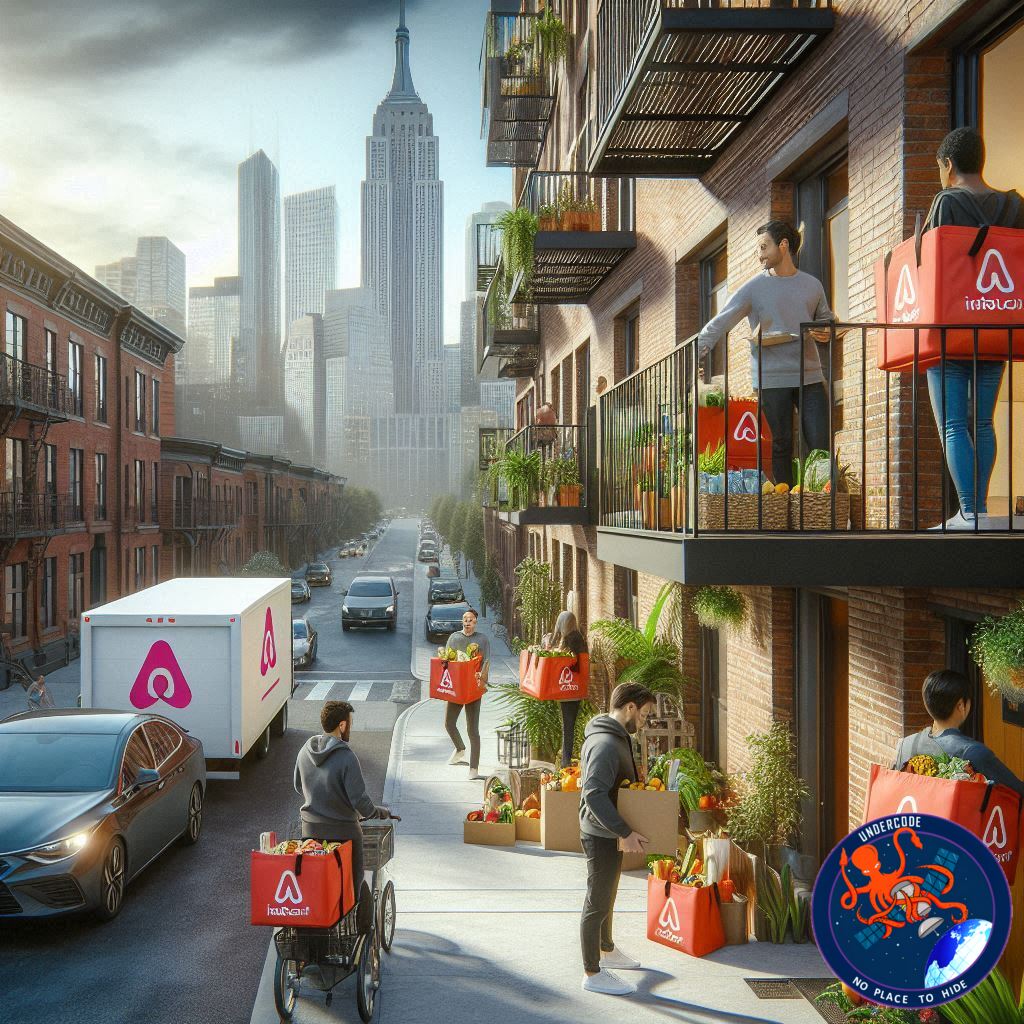
Airbnb is taking another strategic step toward transforming vacation rentals into full-service hospitality hubs. Its newest experiment, a grocery-stocking feature powered through a partnership with Instacart, aims to eliminate one of the most common frictions for both hosts and travelers: arriving at a rental with an empty fridge. By integrating pre-arrival grocery delivery directly into the Airbnb app, the company is testing whether convenience and personalization can become its next major revenue engine. This initiative also signals Airbnb’s growing ambition to compete not only with hotels but with lifestyle and concierge platforms that cater to travelers long before they reach their destination.
the Original
Airbnb has teamed up with Instacart to test a new grocery-stocking feature for U.S. travelers. This pilot service will allow guests staying at participating rental properties to order groceries through the Airbnb app either before or during their stay. Hosts in the pilot locations will receive the orders, place the items in the kitchen, and prepare the home ahead of guest arrival. The program is scheduled to run for three months, beginning January 5, 2026.
Selected hosts in Phoenix, Orlando, and Los Angeles will participate, and Airbnb is incentivizing them by paying twenty-five dollars per completed order plus a one-hundred-dollar bonus for their first fulfillment. Instacart noted that guests can submit orders up to three weeks before arrival.
A spokesperson for Airbnb added that the company frequently tests new updates and initiatives to improve the overall guest experience. This new service falls under Airbnb’s broader “Services” category, introduced in May, which lets guests book hotel-style offerings such as home-cooked meals, massages, fitness training, and beauty appointments.
CEO Brian Chesky has stated that Experiences and Services could generate more than one billion dollars annually, although he acknowledged that it may take several years for this category to scale meaningfully.
Instacart is also using this partnership as part of a series of “embedded” integrations with other platforms. Last month, it added ordering functionality to the Grubhub app, and Instacart executives have signaled that more partnerships will roll out within six to twelve months to expand reach amid rising competition from DoorDash and Uber.
For Airbnb, the grocery-stocking test supports Chesky’s broader mission to redefine the company as more than a vacation-stay marketplace. He recently emphasized that new services are attracting both travelers and locals, creating alternative revenue streams.
Airbnb also plans to launch at least one new business per year, often testing multiple pilots simultaneously. The company recently began experimenting with boutique and independent hotel listings in major cities such as Los Angeles, New York, and Madrid, responding to short-term rental markets that no longer meet full customer demand.
What Undercode Say:
Airbnb’s latest pilot marks a pivotal moment in the platform’s evolution. The integration of grocery stocking, though seemingly modest, reveals a deeper shift toward embedding hospitality services directly into the pre-travel planning phase. With this move, Airbnb is positioning itself less as a property marketplace and more as a full-spectrum travel ecosystem.
The economics behind this strategy are clear. As competition in the home-sharing sector intensifies and regulatory pressures rise in major cities, Airbnb needs new revenue streams that do not rely solely on bookings. Services like grocery delivery, chef experiences, wellness appointments, and personalized activities allow Airbnb to tap into high-margin upsells traditionally dominated by hotels and resorts.
The partnership with Instacart is particularly strategic. Instacart brings logistical sophistication, large retail relationships, and nationwide delivery coverage. Airbnb, on the other hand, brings an enormous user base and a platform already embedded into the travel decision process. The combination creates a frictionless experience where guests can handle logistical needs without juggling multiple apps.
The host incentive model is also worth analyzing. By paying hosts directly per order, Airbnb acknowledges that this service adds responsibilities comparable to concierge work. It signals a future where hosting could evolve from passive property management to active hospitality service, potentially redefining what it means to be a “Superhost.”
Yet there are risks. Operational inconsistencies remain a challenge for Airbnb, and adding more layers of service increases complexity. Not all hosts may be willing to perform grocery stocking, and variation in quality could impact guest expectations. Additionally, Instacart’s involvement introduces dependence on third-party reliability, which could lead to blame-shifting if orders are delayed or incorrect.
This pilot also indicates that Airbnb is studying patterns from luxury villas and boutique hotels. These accommodations often highlight pre-arrival provisioning as part of the premium experience. If Airbnb can standardize this feature, it could appeal to families, long-stay guests, and business travelers who value convenience over cost.
On the competitive front, Airbnb’s expansion into services challenges not only hotels but also gig-economy platforms. DoorDash and Uber, traditionally associated with food delivery or ride-hailing, are expanding into travel-related conveniences. Instacart’s partnership with Airbnb helps position it strongly against these rivals by diversifying where and how shoppers interact with the brand.
From a broader market perspective, such integrations could foreshadow a future where travel platforms bundle everything from transportation to meals to on-site experiences. Airbnb is already testing multiple new categories simultaneously, from boutique hotels to enhanced room services. If even a fraction of these pilots succeed, the platform could undergo a structural shift that reshapes its identity and long-term value proposition.
Ultimately, this grocery-stocking feature is less about groceries and more about data. The pre-arrival purchase patterns of guests could help Airbnb understand who is traveling, how long they stay, what they need, and what services they value. Such insights are invaluable for constructing future monetizable service layers.
What emerges is a portrait of Airbnb attempting to build an integrated travel infrastructure. Whether hosts embrace the added responsibilities and whether guests adopt this new behavior will determine the program’s long-term viability. But the strategic intent is unmistakable. Airbnb wants to be involved in every stage of the trip, from planning to checkout.
Fact Checker Results
✅ Instacart confirmed that guests can place grocery orders up to three weeks before arrival.
✅ Airbnb stated that it continues to test new services and product updates.
❌ No confirmation yet that the grocery-stocking service will expand beyond the initial pilot cities.
Prediction
Airbnb’s push into pre-arrival services is likely to accelerate over the next two years, with grocery stocking becoming a permanent feature if guest adoption proves strong.
The company may expand into bundled concierge packages, offering groceries, airport transfers, and activity planning within a single workflow.
If successful, Airbnb could transform Services into a multi-billion-dollar division, reshaping how travelers prepare for their stays.
🕵️📝✔️Let’s dive deep and fact‑check.
References:
Reported By: timesofindia.indiatimes.com
Extra Source Hub (Possible Sources for article):
https://www.digitaltrends.com
Wikipedia
OpenAi & Undercode AI
Image Source:
Unsplash
Undercode AI DI v2
Bing
🔐JOIN OUR CYBER WORLD [ CVE News • HackMonitor • UndercodeNews ]
📢 Follow UndercodeNews & Stay Tuned:
𝕏 formerly Twitter 🐦 | @ Threads | 🔗 Linkedin | 🦋BlueSky | 🐘Mastodon


