
Listen to this Post
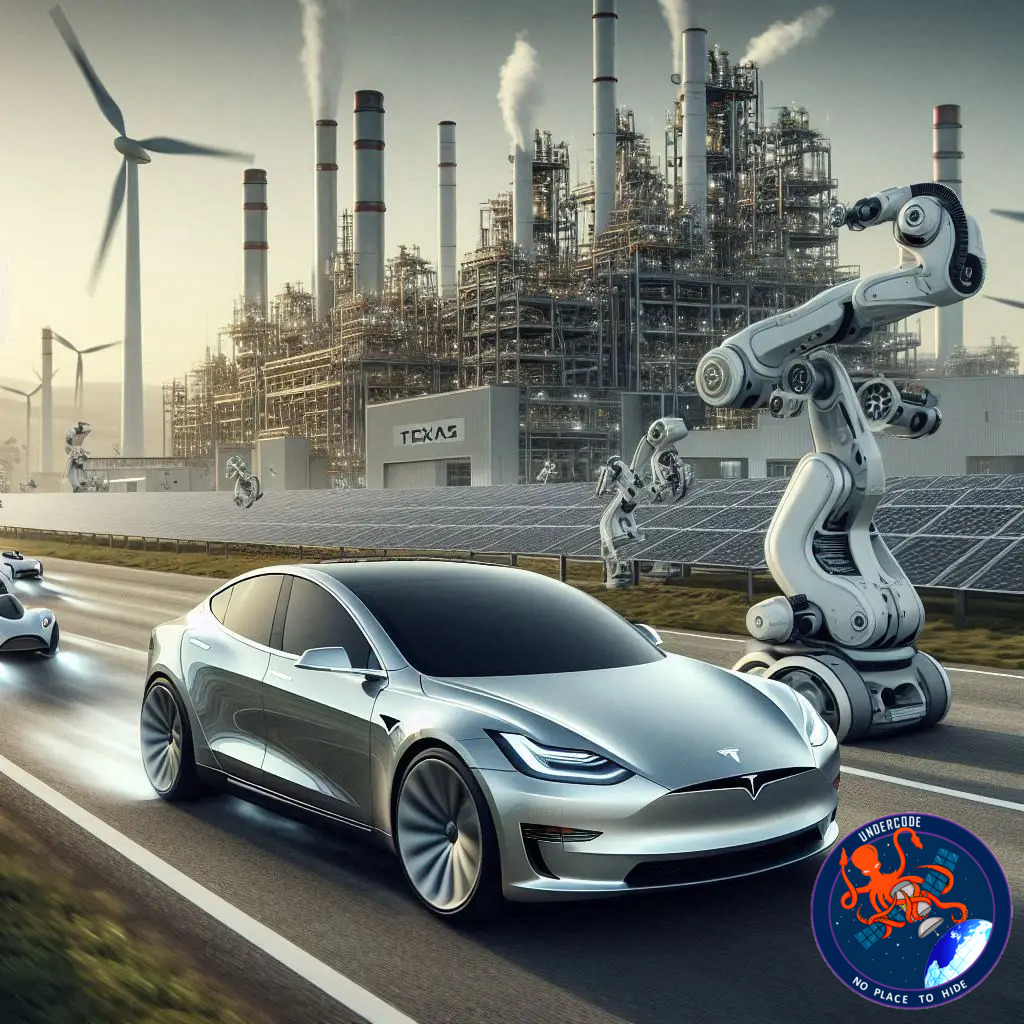
Tesla has once again made headlines, not just for its electric cars but for a sweeping expansion of its technology and supply chain capabilities. From opening North America’s first fully operational lithium refinery in Texas to teasing the world-changing potential of its humanoid robot, Optimus V3, and refining its vehicle connectivity and autonomous driving infrastructure, Tesla is aggressively shaping the next frontier of mobility and energy. These developments signal that the company is increasingly aiming to control not just the vehicles, but the full ecosystem that powers them.
Tesla’s Texas Lithium Refinery: A North American First
Tesla recently confirmed that its lithium refinery near Corpus Christi, Texas, is now fully operational, marking a historic milestone for U.S.-based battery supply chains. The facility processes raw spodumene ore into battery-grade lithium hydroxide, a crucial material for electric vehicle batteries, directly on site—bypassing the multiple intermediate steps required by traditional methods. Tesla staff explained that the process involves kilns, cooling systems, alkaline leaching, purification, and crystallization.
What sets this refinery apart is its sustainability. Tesla’s approach reportedly eliminates hazardous byproducts typical of lithium refining and produces a co-product called anhydrite, which can be used in concrete mixes. Elon Musk hailed the site as both the largest and the most advanced lithium refinery in America, emphasizing its “clean” and efficient operations. By bringing large-scale domestic lithium hydroxide production online, Tesla is reducing reliance on foreign suppliers while bolstering its battery and EV production capabilities.
A Sneak Peek at Optimus V3: Tesla’s Game-Changing Humanoid Robot
Angel investor Jason Calacanis offered one of the first non-Tesla perspectives on the upcoming Optimus V3. According to Calacanis, who visited Tesla’s lab in early 2026, the robot is poised to revolutionize technology to a degree that could overshadow Tesla’s automotive legacy. He claimed the humanoid robot has the potential for a 1:1 human-to-robot ratio in the future, predicting mass production and transformative societal impact.
Musk has confirmed that Optimus V3 has not been publicly unveiled, with existing online footage showing previous generations. Nevertheless, early impressions suggest that Tesla’s humanoid initiative could redefine not only robotics but the broader landscape of AI-powered automation.
Tesla Taps Samsung for 5G Modems: Preparing for Robotaxis
In an important supply chain move, Tesla is reportedly partnering with Samsung to supply automotive-grade 5G modems. This marks a notable expansion of Tesla’s relationship with Samsung, which previously focused on AI chip production. Automotive 5G modems will support Tesla’s Robotaxi operations, enabling ultra-reliable connectivity essential for autonomous vehicle navigation, real-time mapping, and continuous software updates.
The agreement reflects Tesla’s strategy to diversify suppliers, mitigate geopolitical risks, and strengthen its domestic manufacturing and connectivity infrastructure—critical factors as it scales Robotaxi deployments in the United States.
Tesla’s Full Self-Driving Strategy Evolves
Tesla has overhauled its Full Self-Driving (FSD) offering by moving exclusively to a subscription model at $99 per month. Previously, transferring FSD between vehicles caused cost frustrations for owners. This change removes that obstacle, allowing drivers to access the technology seamlessly without the burden of multiple large upfront purchases.
The subscription model not only provides more financial flexibility for users but also increases Tesla’s ability to collect driving data, accelerating the development of fully autonomous driving capabilities. By lowering the barrier to entry, Tesla could expand FSD adoption dramatically, further cementing its competitive edge in AI-driven mobility.
What Undercode Says: Tesla’s Strategic Leap Forward
Lithium Independence and Supply Chain Control
Tesla’s Texas lithium refinery is a bold strategic move. By establishing North America’s first large-scale lithium refining operation, the company reduces dependence on foreign suppliers, notably in China, which dominates the lithium processing market. The refinery’s streamlined, sustainable process could set a new standard for the industry, both in cost efficiency and environmental responsibility.
Robotics as a New Frontier
Optimus V3 represents more than a product launch; it’s a long-term bet on a new paradigm. If the robot achieves the promised capabilities, Tesla could leverage humanoid automation across multiple industries, from logistics to household assistance. This extends Tesla’s influence from vehicles to general-purpose AI-driven robotics.
Connectivity and Autonomous Expansion
Partnering with Samsung for 5G modems complements Tesla’s domestic and international strategy. The combination of AI chips and high-speed connectivity will allow Tesla vehicles and Robotaxis to function in a hyper-connected, autonomous ecosystem. This minimizes reliance on legacy suppliers and enhances resilience against supply chain disruptions.
Subscription-Based FSD: Monetization and Adoption
Transitioning FSD to a subscription model addresses previous customer pain points while aligning Tesla’s monetization with data collection. Increased data collection accelerates AI development, reinforcing Tesla’s feedback loop for autonomous driving. By encouraging widespread adoption, the company also strengthens the network effect for fleet learning, crucial for achieving unsupervised autonomy.
Market Implications
These integrated strategies—control over raw materials, cutting-edge robotics, connectivity, and autonomous services—position Tesla not just as a car manufacturer but as a technology ecosystem. Competitors may struggle to match this vertical integration, which could translate into significant market share growth and sustained competitive advantage.
🔍 Fact Checker Results
✅ Tesla’s Texas lithium refinery is operational and processes spodumene into battery-grade lithium hydroxide.
✅ Samsung is developing automotive-grade 5G modems for Tesla, supporting future Robotaxi operations.
✅ Elon Musk and Jason Calacanis confirmed Optimus V3 has not yet been publicly unveiled, with current footage showing older generations.
📊 Prediction
Tesla’s multi-pronged strategy indicates that the next five years could see the company dominating not just EVs but the battery supply chain, autonomous fleets, and humanoid robotics. The Texas refinery will likely secure U.S. lithium supply, minimizing geopolitical risks. Optimus V3, if successfully scaled, could disrupt multiple industries, potentially making robotics a major revenue stream. Coupled with 5G-enabled Robotaxis and subscription FSD, Tesla is positioning itself to capture value across hardware, software, and AI-driven services—potentially redefining the future of mobility and automation in North America and beyond.
If you want, I can also create a more visual, SEO-friendly version of this article with bullet highlights, graphs, and structured subheadings to make it reader-friendly for tech news blogs. Do you want me to do that next?
🕵️📝✔️Let’s dive deep and fact‑check.
References:
Reported By: www.teslarati.com
Extra Source Hub (Possible Sources for article):
https://www.digitaltrends.com
Wikipedia
OpenAi & Undercode AI
Image Source:
Unsplash
Undercode AI DI v2
Bing
🔐JOIN OUR CYBER WORLD [ CVE News • HackMonitor • UndercodeNews ]
📢 Follow UndercodeNews & Stay Tuned:
𝕏 formerly Twitter 🐦 | @ Threads | 🔗 Linkedin | 🦋BlueSky | 🐘Mastodon


