
Listen to this Post
Introduction
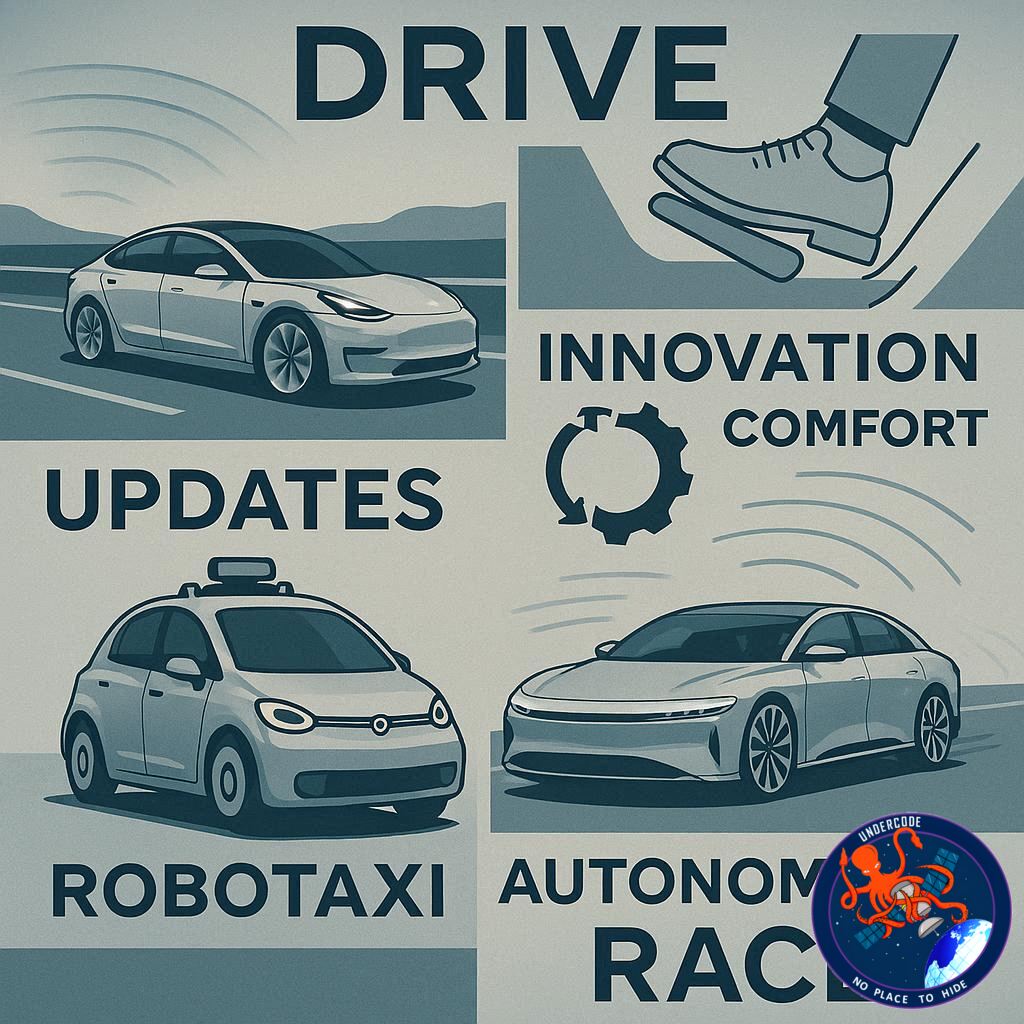
The electric vehicle (EV) market is heating up with Tesla and Lucid making bold moves to redefine driving comfort, software integration, and autonomous mobility. From Tesla’s new “Comfort Braking” for the Model Y to Android access for Robotaxi, and Lucid’s ambitious Lunar robotaxi concept, automakers are not just building cars—they’re building software-driven mobility ecosystems. This article dives into the latest innovations, analyzes the implications, and explores what these moves mean for EV drivers and the future of autonomous transportation.
Tesla Introduces Comfort Braking for Model Y
Tesla has rolled out a new “Comfort Braking” feature with Software Update 2026.8, exclusively for Model Y vehicles of model year 2026 and newer. The update aims to provide smoother stopping performance during routine braking, enhancing ride comfort for passengers. While regenerative braking already reduces pedal use, Tesla sees an opportunity to refine the driving experience further.
Historically, Tesla has leveraged Over-the-Air (OTA) updates to improve vehicle performance, from regenerative braking and handling to Steer-by-Wire in the Cybertruck and reducing active road noise. Comfort Braking continues this trend, showcasing Tesla’s ability to upgrade vehicle functionality seamlessly without requiring physical service visits.
Android Users Finally Get Tesla Robotaxi Access
Tesla is preparing an Android-compatible update for its Robotaxi platform. Previously limited to iOS users due to higher iPhone adoption, this update will allow Android users to hail semi-autonomous rides using features like persistent notifications similar to iOS Live Activities. This expansion signals Tesla’s push to broaden Robotaxi access beyond select media members and early adopters, making autonomous rides available to a wider audience.
Lucid Launches Lunar Robotaxi to Challenge Tesla
Lucid Group unveiled its Lunar autonomous robotaxi concept, designed to rival Tesla’s Cybercab. Lunar is built on Lucid’s all-new Midsize EV platform, featuring two seats, no driver controls, and a focus on fleet efficiency. Unlike Tesla, which is building its own ride-hailing network, Lucid is partnering with Uber for deployment. The company also plans software subscription services for AI assistance and autonomous driving, highlighting the growing importance of recurring revenue in EV software.
Brazil Closes Investigation Against Elon Musk and X
In Brazil, the Supreme Federal Court ordered the closure of a two-year investigation into Elon Musk and X (formerly Twitter), which examined whether the platform facilitated attacks on the judiciary. No fraudulent intent was found, and previous enforcement actions—including fines and account freezes—are now finalized unless new evidence emerges. Brazil remains a critical market for both X and SpaceX’s Starlink service.
What Undercode Says:
Comfort Braking Signals Tesla’s Soft Power Approach
Tesla’s new braking feature may seem minor, but it exemplifies the company’s philosophy of continuous improvement through software. By enhancing the passenger experience via OTA updates, Tesla strengthens customer loyalty while maintaining a competitive edge over traditional automakers that rely on hardware upgrades.
OTA Updates: The Competitive Advantage
Tesla’s seamless OTA infrastructure allows for rapid iterations on driving dynamics, safety, and user experience. This ability is unmatched in the industry, giving Tesla a unique strategic advantage. Each software rollout—from regenerative braking to Comfort Braking—reinforces the brand’s identity as a technology-first automaker.
Android Expansion Expands Robotaxi Market Potential
Allowing Android users to access Robotaxi significantly increases the potential customer base. While iOS has dominated Tesla’s early rollout, Android integration could accelerate adoption rates, create network effects, and bolster data collection for autonomous driving algorithms.
Lucid’s Lunar Challenges Tesla on Multiple Fronts
Lucid is entering the robotaxi market with a clear focus on cost-effective, scalable fleets, in partnership with Uber. While Tesla benefits from a first-mover advantage and existing infrastructure, Lunar’s lower production costs and subscription-based software model could pressure Tesla to innovate further in pricing and service offerings.
The Autonomous Mobility Race Intensifies
The race between Tesla and Lucid reflects the broader shift toward software-driven, fleet-based mobility. EV companies now compete not only on vehicle performance but also on autonomous capabilities, operational efficiency, and software ecosystems that generate recurring revenue.
Market Dynamics: Consumer and Investor Implications
Both Comfort Braking and Robotaxi updates strengthen Tesla’s appeal to consumers who value convenience, comfort, and cutting-edge technology. Lucid’s entry signals investor interest in alternative autonomous platforms, potentially creating new valuation benchmarks for emerging EV leaders.
Strategic Implications for Tesla
Tesla’s continued dominance depends on scaling Robotaxi access, refining autonomous tech, and maintaining its software-first advantage. Each update, no matter how small, reinforces brand perception and ecosystem lock-in.
Software as a Revenue Stream
Lucid’s subscription-based autonomous driving features highlight a broader trend in EV monetization. Tesla’s Full Self-Driving subscription pioneered this model, and other automakers will likely follow suit, signaling a shift from hardware-centric to software-centric business models in EVs.
The Role of Partnerships
Lucid’s collaboration with Uber underscores the importance of strategic partnerships in autonomous mobility. Rather than building a network from scratch, partnerships allow faster deployment and operational scaling—a model Tesla might consider in specific markets.
Long-Term Implications for EV Adoption
With smoother braking, wider Robotaxi access, and competitive autonomous offerings, EVs are becoming more appealing to mainstream consumers. These innovations reduce friction in adoption and increase public trust in autonomous systems, supporting broader EV market growth.
🔍 Fact Checker Results
Tesla’s Comfort Braking is confirmed in Software Update 2026.8 and exclusive to Model Y 2026+ ✅
Android compatibility for Tesla Robotaxi is in active development; rollout is not yet live ✅
Lucid’s Lunar robotaxi is officially unveiled and positioned to compete with Tesla’s Cybercab ✅
📊 Prediction
Tesla will likely accelerate its Robotaxi rollout to Android users within the next 6–9 months, leveraging expanded user data to improve autonomous algorithms. Lucid’s Lunar, while later to market, could capture a niche segment through Uber partnerships and cost-effective fleet operations, forcing Tesla to adjust pricing and software subscription strategies. Comfort Braking may become a standard expectation for all future Tesla models, signaling a new era of OTA-driven ride comfort improvements across the EV industry.
🕵️📝✔️Let’s dive deep and fact‑check.
References:
Reported By: www.teslarati.com
Extra Source Hub (Possible Sources for article):
https://www.medium.com
Wikipedia
OpenAi & Undercode AI
Image Source:
Unsplash
Undercode AI DI v2
Bing
🔐JOIN OUR CYBER WORLD [ CVE News • HackMonitor • UndercodeNews ]
📢 Follow UndercodeNews & Stay Tuned:
𝕏 formerly Twitter 🐦 | @ Threads | 🔗 Linkedin | 🦋BlueSky | 🐘Mastodon


