Listen to this Post
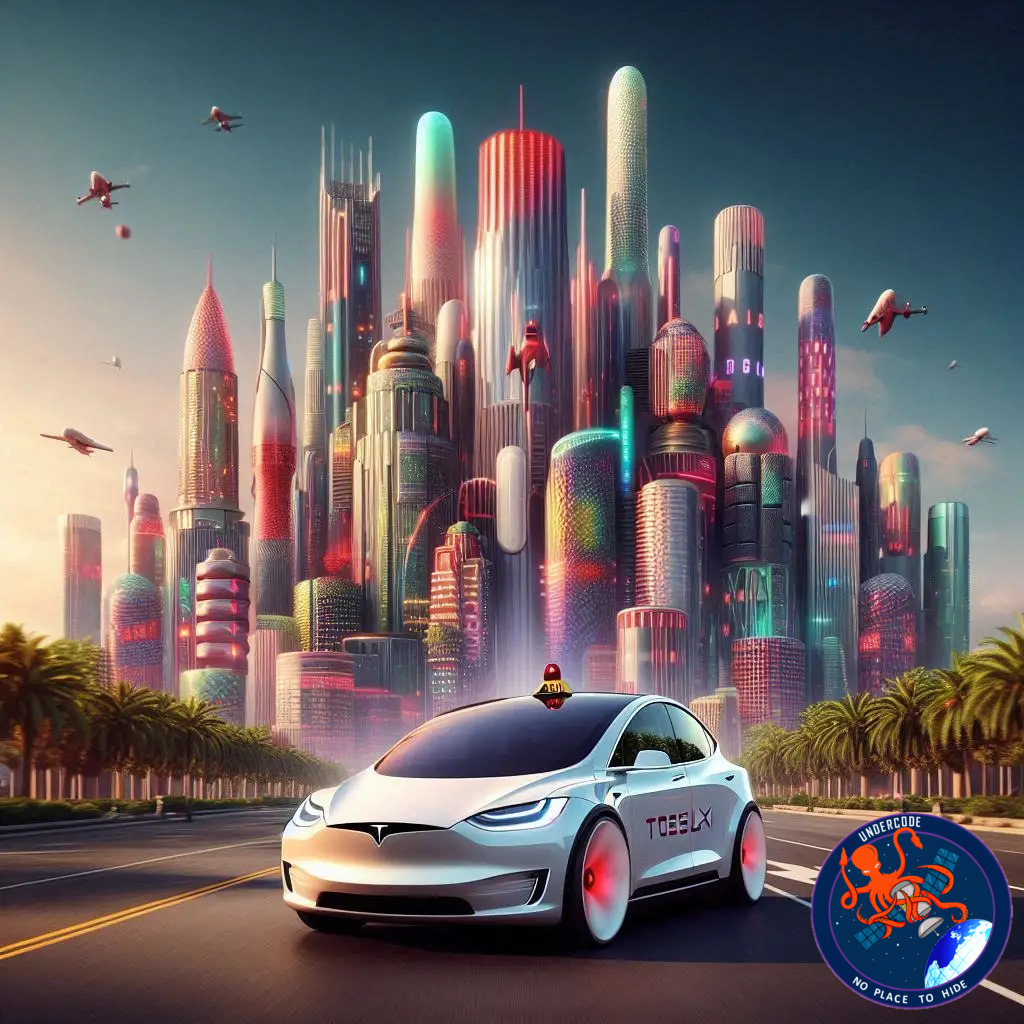
Tesla is accelerating its push into autonomous transportation with the announcement that its Robotaxi service will soon be available in five additional U.S. cities. Following the launches in Austin, Texas, and the Bay Area of California, the electric vehicle pioneer is now aiming to broaden its footprint, bringing self-driving ride-hailing to Las Vegas, Phoenix, Dallas, Houston, and Miami. This expansion reflects Tesla’s ambitious vision of reshaping urban mobility while navigating the complex landscape of local regulations and autonomous vehicle technology.
Tesla’s Robotaxi program represents a major step toward fully autonomous transportation. The service initially launched in Austin, Texas, where vehicles operate without a human in the driver’s seat, provided they avoid freeways. In contrast, the Bay Area deployment still requires a safety monitor in the driver’s seat, with Full Self-Driving (FSD) technology handling vehicle operations. These regional differences illustrate the challenges Tesla faces in balancing cutting-edge technology with regulatory compliance.
CEO Elon Musk has outlined a roadmap for growth, targeting states such as Nevada, Arizona, and Florida, while specifying the first five cities for the next phase of rollout. Tesla aims to make Robotaxi accessible to half of the U.S. population by the end of the year, although expansion will remain limited to select cities. Musk has also suggested future updates could allow vehicle owners to send texts while the car drives, highlighting the company’s long-term vision for autonomy, though no immediate timeline has been confirmed.
Alongside Robotaxi, Tesla continues to innovate in its vehicle lineup. In China, the company launched a new Model Y Long Range Rear-Wheel-Drive at 288,500 usd ($40,500), boasting an impressive 510-mile CLTC range (357 miles EPA equivalent). This trim offers advanced features without significantly increasing cost, underscoring Tesla’s strategy to provide high-value EV options tailored to local markets. Additionally, the Model Y Performance trim is set for a Canadian launch in early 2026, sourced from Gigafactory Berlin to bypass U.S. tariffs, with upgraded aerodynamics, handling, and cabin features.
Meanwhile, Tesla’s Semi factory near Giga Nevada is gearing up for production in 2026, following a redesign that enhances aerodynamics and efficiency to 1.7 kWh per mile. Tesla has provided glimpses of the factory and prototype units, signaling that the commercial vehicle segment is also moving toward electrification. Collectively, these initiatives demonstrate Tesla’s multi-pronged strategy: advancing autonomous technology, diversifying vehicle offerings, and scaling sustainable transport solutions.
What Undercode Say:
Tesla’s Robotaxi expansion is more than a marketing milestone—it represents a critical test of the company’s technological and operational capabilities. Each city rollout is essentially a live experiment in autonomous regulation and customer adoption. For Austin, the ability to operate without a driver underscores Tesla’s confidence in its FSD suite, yet the Bay Area model demonstrates how regulatory landscapes dictate deployment strategies. This dual approach highlights Tesla’s adaptability but also points to the broader challenge of achieving true nationwide autonomy.
From a market perspective, Tesla’s calculated expansion suggests an understanding of infrastructure readiness and urban density. Cities like Las Vegas, Phoenix, Dallas, Houston, and Miami offer both population scale and road conditions conducive to testing semi-autonomous vehicles. However, achieving Musk’s goal of serving half the U.S. population by year-end may remain aspirational unless regulatory hurdles are streamlined.
The new Model Y trims in China illustrate Tesla’s global strategy to customize offerings for regional preferences. By delivering high-range, affordable options, Tesla addresses both cost-sensitive buyers and performance-focused customers. Meanwhile, the Canadian launch of the Model Y Performance trim shows how tariff strategies and production logistics play a crucial role in global EV distribution. Tesla’s focus on local manufacturing, including sourcing from Germany for Canada, could serve as a model for mitigating trade barriers while maintaining competitive pricing.
The Semi factory update is equally telling. Tesla’s Class 8 truck, redesigned for efficiency and aerodynamic optimization, aligns with the company’s broader push toward sustainable logistics. The integration of FSD-related cameras on commercial vehicles indicates that autonomous capabilities will soon extend beyond passenger cars into freight transport, potentially disrupting the logistics industry.
Tesla’s approach is also psychologically strategic. By launching Robotaxi in high-profile urban centers first, the company generates public attention and adoption momentum. If successful, this could accelerate consumer trust in FSD technology, encouraging broader acceptance of semi- and fully autonomous vehicles. The ability to text while driving, once regulatory approval is secured, could redefine the driver experience, merging convenience with autonomy—but it also raises questions about liability and safety.
Financially, these moves may positively impact Tesla’s revenue streams. Robotaxi could create a new service-based income model, supplementing vehicle sales and leveraging existing infrastructure. Similarly, new Model Y trims and the Semi ramp-up demonstrate Tesla’s ability to optimize product mix and adapt pricing strategies across global markets. In essence, Tesla is creating an ecosystem that integrates autonomous driving, diverse vehicle offerings, and global market strategies into a cohesive growth narrative.
Fact Checker Results:
✅ Tesla Robotaxi will expand to Las Vegas, Phoenix, Dallas, Houston, and Miami.
✅ Model Y Long Range Rear-Wheel-Drive launched in China with a CLTC range of 510 miles.
✅ Tesla Semi production is scheduled to begin in 2026 at Northern Nevada factory.
Prediction:
🚀 Tesla’s Robotaxi service could redefine urban transportation in major U.S. cities by 2026, potentially reducing ride-hailing costs and accelerating adoption of autonomous driving.
⚡ The success of Model Y trims in China may influence Tesla to introduce more affordable, high-range trims in other markets.
🛻 The Tesla Semi’s entry into production could disrupt North American freight logistics, creating early adopters among large corporations and fleets.
🕵️📝✔️Let’s dive deep and fact‑check.
References:
Reported By: www.teslarati.com
Extra Source Hub (Possible Sources for article):
https://www.discord.com
Wikipedia
OpenAi & Undercode AI
Image Source:
Unsplash
Undercode AI DI v2
Bing
🔐JOIN OUR CYBER WORLD [ CVE News • HackMonitor • UndercodeNews ]
📢 Follow UndercodeNews & Stay Tuned:
𝕏 formerly Twitter 🐦 | @ Threads | 🔗 Linkedin | 🦋BlueSky | 🐘Mastodon