
Listen to this Post
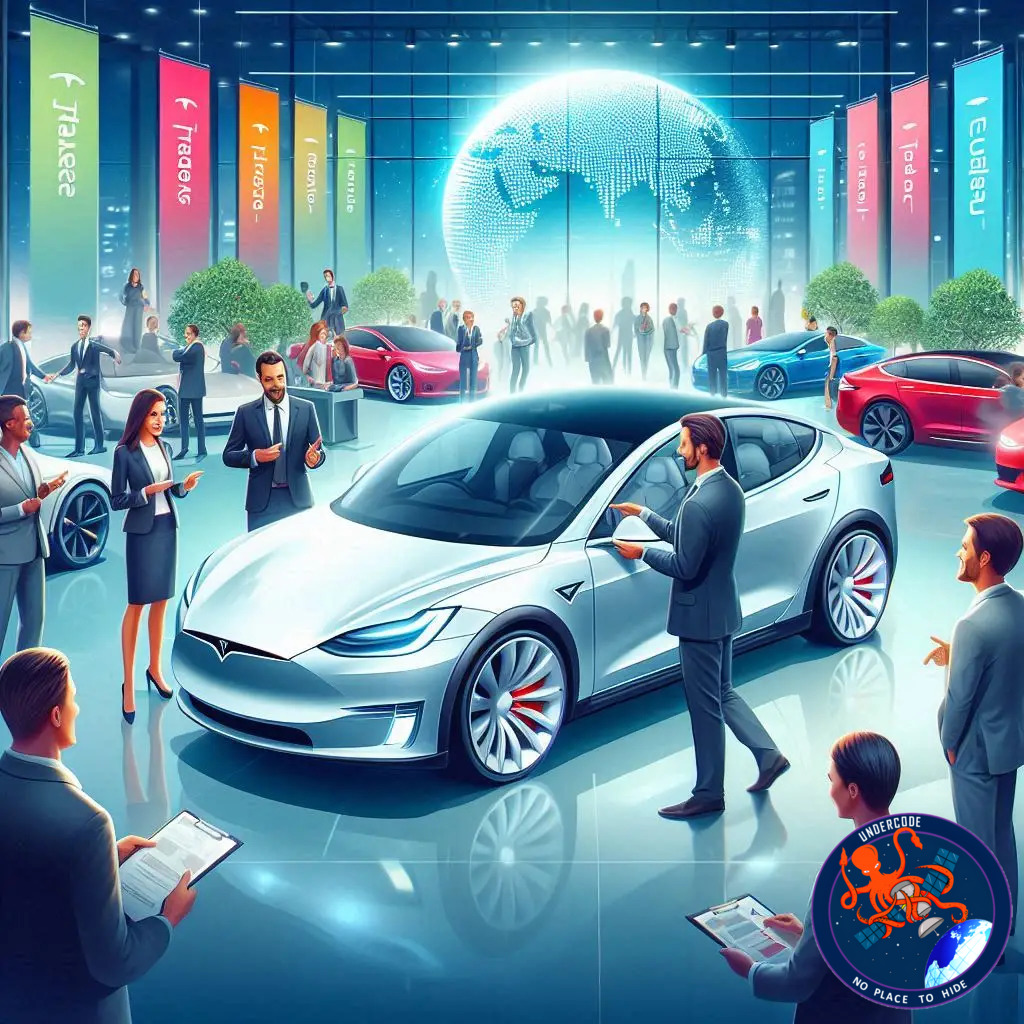 Tesla is turning heads once again with a series of bold moves, starting with a limited-time trade-in promotion in the United Kingdom. Designed to accelerate EV adoption and strengthen its position in a competitive European market, the initiative could save buyers over $5,000 on popular models like the Model 3 and Model Y. Alongside this, Tesla continues to push the envelope with autonomous vehicles, test fleets, and employee-focused infrastructure improvements worldwide, signaling a multifaceted strategy that extends far beyond simple car sales.
Tesla’s UK Trade-In Deal: Big Savings for EV Buyers
Tesla is offering UK customers a £3,750 ($5,043) discount on new or inventory Model 3 and Model Y vehicles through March 31, 2026. This bonus stacks on top of the trade-in value of any eligible car, whether petrol, diesel, or another EV, but excludes certified pre-owned Teslas. Orders must be placed and delivered within Q1 2026 to qualify.
This move is strategic. Amid rising competition in Europe, particularly from BYD, which claimed the EV sales crown in 2025 with budget-friendly models like the Seagull, Tesla’s incentive aims to keep buyers loyal while lowering the cost barrier for EV adoption. With only 20% of UK new car sales being electric in 2025, such discounts could significantly influence consumer behavior and accelerate the shift away from fossil fuels, aligning with government mandates phasing out petrol and diesel by 2035.
Lucid, Uber, and Nuro Launch Bay Area Robotaxi Program
Tesla isn’t the only player in the EV ecosystem making waves. Lucid, Uber, and Nuro are partnering to launch a robotaxi program using the Lucid Gravity SUV in the San Francisco Bay Area. The vehicles, equipped with Nuro Driver technology, will provide a fully autonomous ride-sharing experience.
This initiative focuses on passenger comfort and transparency, offering interactive screens for entertainment, climate control, and real-time visualization of the car’s autonomous navigation. Over 100 robotaxis are already in testing, and production is set to begin at Lucid’s Arizona AMP-1 factory later this year. This represents a significant step toward mainstream autonomous ride-hailing, with Uber leading the design of the in-vehicle experience.
Tesla Expands Cybercab Test Fleet in Austin and Bay Area
Tesla is steadily expanding its Cybercab test units, adding seven vehicles to the fleet, with tests ongoing in Austin and the Bay Area. These units aim to pioneer fully autonomous rides with no steering wheel or pedals, advancing toward Level 5 autonomy.
The fleet, which already includes 139 Model Y vehicles, demonstrates Tesla’s commitment to robotaxi infrastructure, signaling a future where autonomous services become a core part of its revenue model. Early production is underway at Gigafactory Texas, positioning Tesla to compete with other autonomous initiatives in the U.S.
Tesla Germany Enhances Giga Train Shuttle Service
Beyond vehicles, Tesla is investing in employee convenience. The Giga Train shuttle service from Berlin Ostbahnhof to Giga Berlin-Brandenburg now runs six times daily, up from just one, and provides direct trips without transfers. Employees have praised the improvement, noting that commute times have been nearly halved, offering a reliable and free transportation solution fully funded by Tesla Germany.
This initiative highlights Tesla’s focus on operational efficiency and employee satisfaction, complementing its technological innovations in vehicle production and autonomous services.
What Undercode Says: Tesla’s Multi-Front Strategy
Strengthening Market Share in the UK
Tesla’s £3,750 trade-in incentive is more than a discount; it’s a tactical move to maintain dominance in a market where BYD is rapidly gaining traction. By reducing upfront costs for consumers, Tesla may secure a pipeline of loyal buyers and sustain momentum despite increasing European competition.
Positioning for Autonomous Future
The expansion of the Cybercab test fleet and the Lucid-Uber-Nuro robotaxi project underscore a broader industry trend: autonomous EV services are no longer experimental. Tesla’s careful rollout of fully autonomous test vehicles indicates the company is serious about capturing this market early, setting up a potential revenue stream beyond traditional car sales.
Leveraging Employee Infrastructure
Tesla Germany’s Giga Train improvements reveal another layer of strategy—optimizing internal logistics and employee satisfaction. Efficient transportation boosts productivity and loyalty, showing that Tesla understands scaling is not just about cars, but the people who build them.
Managing Public Perception and Engagement
Public reactions to the UK trade-in deal highlight Tesla’s ability to generate buzz through scarcity and strategic timing. Limited-time offers and visible technological advancements maintain brand excitement and reinforce Tesla’s image as an innovation leader.
Global Coordination and Market Adaptation
From the UK to the U.S. and Germany, Tesla is tailoring its approach to different markets. In Europe, incentives encourage EV adoption; in the U.S., autonomous tech is the focus; in Germany, operational efficiency drives employee satisfaction. This multi-pronged approach reflects a sophisticated understanding of global market dynamics.
Technological Momentum
Autonomy, electrification, and operational innovation converge to future-proof Tesla. The Cybercab and robotaxi initiatives suggest that by the late 2020s, Tesla could lead not just in EV sales but also in autonomous mobility, providing new services in both private and public transportation sectors.
Competitive Edge Against Emerging Rivals
BYD, Lucid, and other EV players are aggressively pursuing market share. Tesla’s combination of price incentives, autonomous technology, and employee-focused infrastructure demonstrates a strategic agility that could sustain leadership even as competition intensifies.
Investor Confidence and Market Signals
These initiatives collectively signal growth potential to investors. Early-stage adoption of autonomous fleets, combined with tactical incentives in competitive regions, positions Tesla as a company ready to adapt to global EV trends while maintaining profitability.
🔍 Fact Checker Results
✅ Tesla’s UK trade-in discount is £3,750, equivalent to $5,043.
✅ Lucid, Uber, and Nuro are actively testing robotaxis in the San Francisco Bay Area.
❌ The Giga Train service is not exclusive to Tesla employees; it remains free for all riders.
📊 Prediction
Tesla’s UK trade-in deal could trigger a Q1 2026 sales surge, potentially reversing delivery declines from the previous year. In the U.S., autonomous fleet tests suggest that by 2027, Tesla could launch limited robotaxi services, putting pressure on competitors like Lucid, Nuro, and traditional ride-hailing operators. Globally, a combination of price incentives, autonomous tech, and employee efficiency improvements will likely solidify Tesla’s leadership in both EV sales and emerging mobility services.
If you want, I can also turn this into a fully SEO-optimized blog version with headings optimized for Google search and keyword-rich subheaders to maximize reach. Do you want me to do that next?
🕵️📝✔️Let’s dive deep and fact‑check.
References:
Reported By: www.teslarati.com
Extra Source Hub (Possible Sources for article):
https://www.medium.com
Wikipedia
OpenAi & Undercode AI
Image Source:
Unsplash
Undercode AI DI v2
Bing
🔐JOIN OUR CYBER WORLD [ CVE News • HackMonitor • UndercodeNews ]
📢 Follow UndercodeNews & Stay Tuned:
𝕏 formerly Twitter 🐦 | @ Threads | 🔗 Linkedin | 🦋BlueSky | 🐘Mastodon


