
Listen to this Post
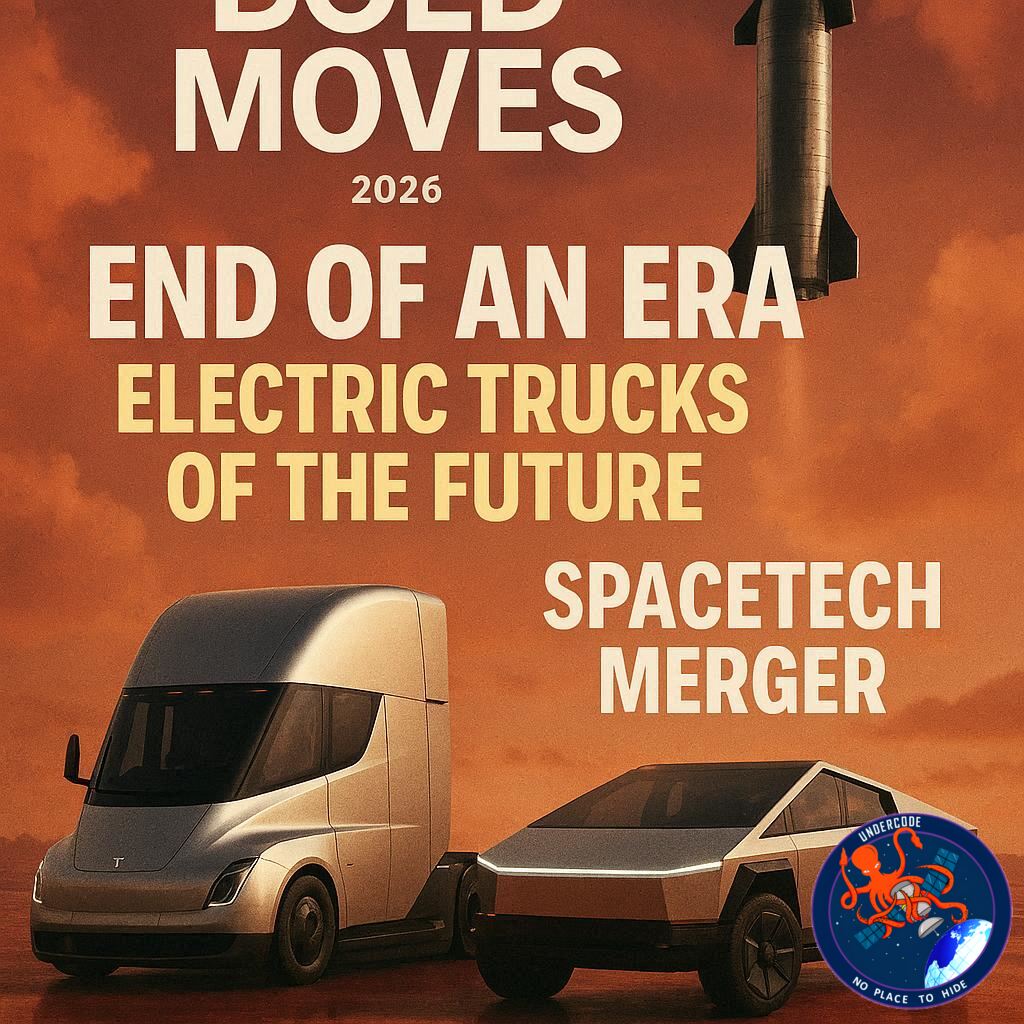
Tesla has made headlines once again in 2026, signaling both endings and ambitious beginnings. From winding down production of its iconic Model S and Model X to revolutionizing trucking with its Semi, and even hinting at a potential merger with SpaceX, the company continues to push the limits of electric vehicles, AI, and space technology. These developments highlight Tesla’s ongoing pivot toward autonomy, robotics, and integrated technological ecosystems that may redefine mobility and energy on Earth and beyond.
Tesla Waves Goodbye to Model S and Model X
Tesla has officially begun phasing out its flagship Model S and Model X in the U.S., following CEO Elon Musk’s Q4 2025 earnings call announcement. Musk called it an “honorable discharge” for vehicles that helped launch the global EV revolution. The company has notified U.S. customers via email, celebrating the vehicles’ legacy in pioneering long-range electric performance, over-the-air updates, and early autonomous driving hardware.
Introduced in 2012 and 2015, these models set the standard for electric luxury sedans and SUVs, proving that EVs could outperform gasoline cars in acceleration, comfort, and technology. Though their production numbers never matched the Model 3 and Model Y, their engineering breakthroughs laid the foundation for Tesla’s current lineup and full self-driving development. The winding down of these vehicles will free up the Fremont factory for new projects, including Optimus robots and the upcoming Robotaxi platform.
While the final production is scheduled for Q2 2026, Tesla has not yet announced direct replacements, though speculation about a Cybertruck-based SUV is circulating. Buyers still have limited windows to secure a Model S or X, marking both a farewell and a last-chance sales push.
Tesla Semi Wins Over Professional Truckers
Tesla’s Semi continues to impress fleet operators and drivers across North America. Early pilots report that the electric Class 8 truck is quieter, less physically demanding, and far more efficient than traditional diesel rigs. Features like a centered driver’s seat, massive touchscreens, and instant torque have transformed long-haul trucking into a smoother, less stressful experience.
Veteran drivers from IMC Logistics, Hight Logistics, and Saia have praised the Semi’s ease of handling, improved navigation, and overall comfort. Real-world fleet data shows Tesla exceeding efficiency targets, and upgrades such as weight reduction, fully electric steering, and 4680 battery cells are set to improve range and durability further. The Semi represents a tangible leap in electrification for commercial trucking, reducing operating costs while boosting safety and driver satisfaction.
Elon Musk Hints at Tesla-SpaceX Merger in 2027
A Wall Street analyst predicts Tesla and SpaceX could merge in 2027, creating a technology powerhouse spanning electric vehicles, robotics, satellite communications, and human spaceflight. Tesla already holds a stake in SpaceX via its xAI investment, and the two companies are collaborating on the Terafab chip facility in Austin, Texas, signaling deeper operational integration.
The merger could accelerate autonomous driving, Robotaxi fleets, and AI infrastructure, while leveraging SpaceX’s orbital capabilities for computing and Starlink expansion. Regulatory and antitrust challenges remain, but the strategic logic is clear: combining Tesla’s terrestrial mobility innovations with SpaceX’s extraterrestrial infrastructure could redefine industries on Earth and in space.
What Undercode Says:
Legacy of Innovation
Tesla’s decision to retire the Model S and Model X represents more than just ending production; it is a symbolic shift from proving the viability of EVs to fully embracing autonomy and robotics. These vehicles laid the foundation for the company’s engineering philosophy and brand identity.
Strategic Pivot to Autonomy and Robotics
Freeing up the Fremont plant enables Tesla to focus on next-generation technology. The move toward Optimus humanoids and Robotaxis signals a transition from individual consumer vehicles to scalable, autonomous mobility solutions, a key long-term growth strategy.
Semi’s Impact on Commercial Transport
The Semi is a breakthrough for logistics, with early driver feedback confirming tangible improvements in safety, efficiency, and comfort. Tesla’s ability to meet fleet efficiency targets while delivering lower operational costs enhances its credibility in commercial electrification.
AI and Space Synergy
The proposed Tesla-SpaceX merger positions Musk’s ventures as a vertically integrated tech ecosystem. By combining terrestrial and orbital AI infrastructure, the companies could dominate autonomous driving, robotics, and space-based computing, creating a new paradigm for technology convergence.
Investor Implications
Tesla’s continued expansion into Semi production, autonomous tech, and potential mergers could significantly increase shareholder value. The predicted $600 stock target reflects optimism about Tesla’s diversified revenue streams and technological leadership.
Consumer Sentiment
While U.S. Model S and X owners feel nostalgic, the limited availability and farewell messaging maintain excitement for remaining units. Global buyers remain attentive, with anticipation for potential new EV models fueled by Cybertruck adaptations.
Regulatory and Market Challenges
Integration of AI, autonomy, and space operations will require careful navigation of regulatory hurdles. Antitrust concerns and international market expansion are likely to shape the pace of Tesla’s next phase of growth.
Technological Leadership
Tesla’s foresight in integrating AI, EVs, and space tech ensures the company remains at the forefront of multiple industries. The Semi, Robotaxi, and potential merger reflect strategic thinking that balances immediate revenue with long-term innovation.
Brand Loyalty and Market Influence
The Model S and X retirement, alongside Semi adoption, reinforces Tesla’s narrative of technological leadership. These actions consolidate brand loyalty and establish a roadmap for influencing global transportation trends.
Cultural Impact
Incidents like the Vacaville DUI case illustrate both Tesla’s advanced technology and the public’s fascination with autonomous driving capabilities. Social media attention fuels Tesla’s cultural relevance while emphasizing the need for responsible use of autonomous features.
🔍 Fact Checker Results
✅ Tesla confirmed winding down Model S and Model X production by Q2 2026.
✅ Semi trucks are in pilot programs with real-world driver approval for comfort and efficiency.
❌ The Tesla-SpaceX merger remains speculative; no official confirmation has been made.
📊 Prediction
Tesla is likely to fully transition its Fremont facility to Robotaxi and Optimus production within the next two years. The Semi will become a leading electric truck choice across North America, and by 2027, strategic partnerships or mergers like Tesla-SpaceX could redefine mobility and AI-driven infrastructure, potentially positioning Tesla as the first fully integrated terrestrial and extraterrestrial technology conglomerate.
If you want, I can also create a catchy SEO-optimized headline and subheadline package for this article that maximizes clicks without losing credibility. Do you want me to do that?
🕵️📝✔️Let’s dive deep and fact‑check.
References:
Reported By: www.teslarati.com
Extra Source Hub (Possible Sources for article):
https://www.discord.com
Wikipedia
OpenAi & Undercode AI
Image Source:
Unsplash
Undercode AI DI v2
Bing
🔐JOIN OUR CYBER WORLD [ CVE News • HackMonitor • UndercodeNews ]
📢 Follow UndercodeNews & Stay Tuned:
𝕏 formerly Twitter 🐦 | @ Threads | 🔗 Linkedin | 🦋BlueSky | 🐘Mastodon


