
Listen to this Post
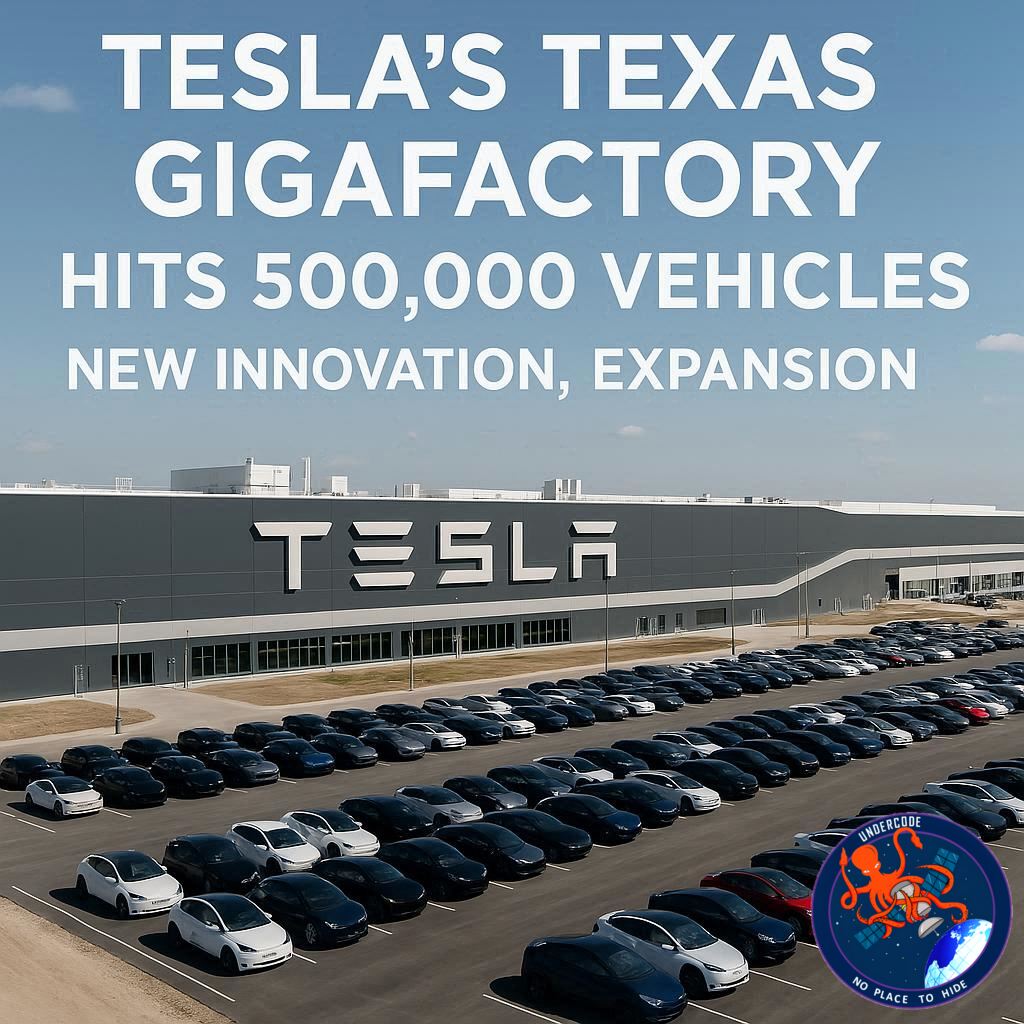
Tesla’s Gigafactory in Texas has reached a monumental milestone, rolling out its 500,000th vehicle. This achievement underscores the factory’s pivotal role in Tesla’s production network and highlights the company’s relentless pursuit of innovation and scale. The milestone was celebrated by the Giga Texas team with a photograph featuring the half-millionth vehicle, a pristine white Model Y, adorned with celebratory balloons spelling “500K.”
Since its inception, Gigafactory Texas, located near Austin, has steadily ramped up production, becoming the central hub for Tesla’s Model Y and the futuristic Cybertruck. The factory’s role is only set to expand with the upcoming production of the Cybercab, a highly anticipated autonomous two-seater projected to reach an annual output of 2 million units. Elon Musk has emphasized that the Cybercab production line will deviate from traditional automotive manufacturing, resembling instead a high-speed consumer electronics assembly, signaling a revolutionary approach to vehicle production.
Tesla’s ambitions extend beyond vehicles. Reports suggest the company may have finalized the design for its Optimus V3 humanoid robot, supported by a large order of linear actuators from Chinese supplier Sanhua Intelligent Controls. The order, reportedly worth $685 million, could supply components for up to 180,000 robots, indicating Tesla’s intent to scale Optimus production significantly starting in early 2026. While Tesla has not officially confirmed the order, hints from Musk and supply chain patterns suggest serious progress toward mass production.
Meanwhile, Tesla is expanding its Robotaxi operations to new states, including Colorado and Illinois. By posting job listings for Autopilot Vehicle Operators ahead of regulatory approvals, Tesla is positioning itself to accelerate deployment once testing licenses are granted. This approach mirrors the company’s earlier strategy in Arizona and Nevada, demonstrating a clear, strategic rollout plan to bring autonomous rides to more U.S. cities.
Tesla’s marketing strategy has also taken an unconventional turn. Instead of promoting vehicles, the company aired ads urging shareholders to approve Elon Musk’s new pay package, tied to ambitious market capitalization goals. This pivot reflects Tesla’s prioritization of executive leadership retention and long-term growth strategy over traditional advertising campaigns.
What Undercode Say:
Tesla’s Texas Gigafactory milestone represents more than just production numbers; it symbolizes the company’s maturation into a manufacturing powerhouse capable of handling high-volume, high-complexity projects. The combination of Model Y dominance, Cybertruck introduction, and future Cybercab mass production indicates that Tesla is refining both product and process at unprecedented speed. Musk’s vision of a consumer electronics-style assembly line for the Cybercab could redefine automotive manufacturing norms, emphasizing automation, speed, and scalability.
The Optimus V3 initiative, if realized as projected, may signal Tesla’s entry into humanoid robotics on an industrial scale, blending advanced robotics with mass production principles honed from automotive manufacturing. The sheer volume of components ordered hints that Tesla is not experimenting but preparing for serious deployment. If successful, Optimus could transform service, logistics, and even domestic robotics markets.
Expanding Robotaxi operations in Colorado and Illinois demonstrates Tesla’s strategic foresight in autonomous mobility. By aligning workforce preparation with regulatory approvals, Tesla reduces downtime between licensing and public deployment, a tactic that could allow the company to outpace competitors in autonomous ride services. The integration of Model Y, Cybertruck, and Cybercab into Tesla’s autonomous network could eventually enable a seamless, multi-vehicle Robotaxi ecosystem.
Tesla’s advertising shift to focus on Musk’s pay package reveals a calculated approach to shareholder influence. By dedicating resources to secure executive incentives tied to aggressive growth targets, Tesla underscores the belief that leadership continuity is integral to maintaining technological and market momentum. This strategy might appear unconventional, but it reflects Tesla’s willingness to prioritize structural stability and innovation over traditional marketing metrics.
Looking forward, the convergence of high-volume vehicle production, humanoid robotics, and autonomous mobility creates a unique Tesla ecosystem that few automakers can replicate. The company’s forward-looking approach blends manufacturing prowess, software-driven automation, and strategic market expansion into a holistic growth engine. Tesla is not merely producing cars; it is building an integrated technological ecosystem poised to redefine mobility, robotics, and industrial automation simultaneously.
Fact Checker Results:
✅ Gigafactory Texas has officially produced 500,000 vehicles.
✅ Tesla has reportedly ordered components for Optimus V3, hinting at near-finalized design.
❌ Tesla has not confirmed official production timelines for Optimus robots.
Prediction:
🚀 Tesla’s Gigafactory Texas will likely surpass 1 million vehicles in the next 2–3 years, propelled by Model Y, Cybertruck, and future Cybercab production.
🤖 Optimus V3 could become a commercial reality by 2026, reshaping the robotics market.
🚗 Robotaxi deployment in new U.S. states will accelerate, bringing Tesla closer to mass autonomous ride services nationwide.
🕵️📝✔️Let’s dive deep and fact‑check.
References:
Reported By: www.teslarati.com
Extra Source Hub (Possible Sources for article):
https://www.quora.com
Wikipedia
OpenAi & Undercode AI
Image Source:
Unsplash
Undercode AI DI v2
Bing
🔐JOIN OUR CYBER WORLD [ CVE News • HackMonitor • UndercodeNews ]
📢 Follow UndercodeNews & Stay Tuned:
𝕏 formerly Twitter 🐦 | @ Threads | 🔗 Linkedin | 🦋BlueSky | 🐘Mastodon


