
Listen to this Post
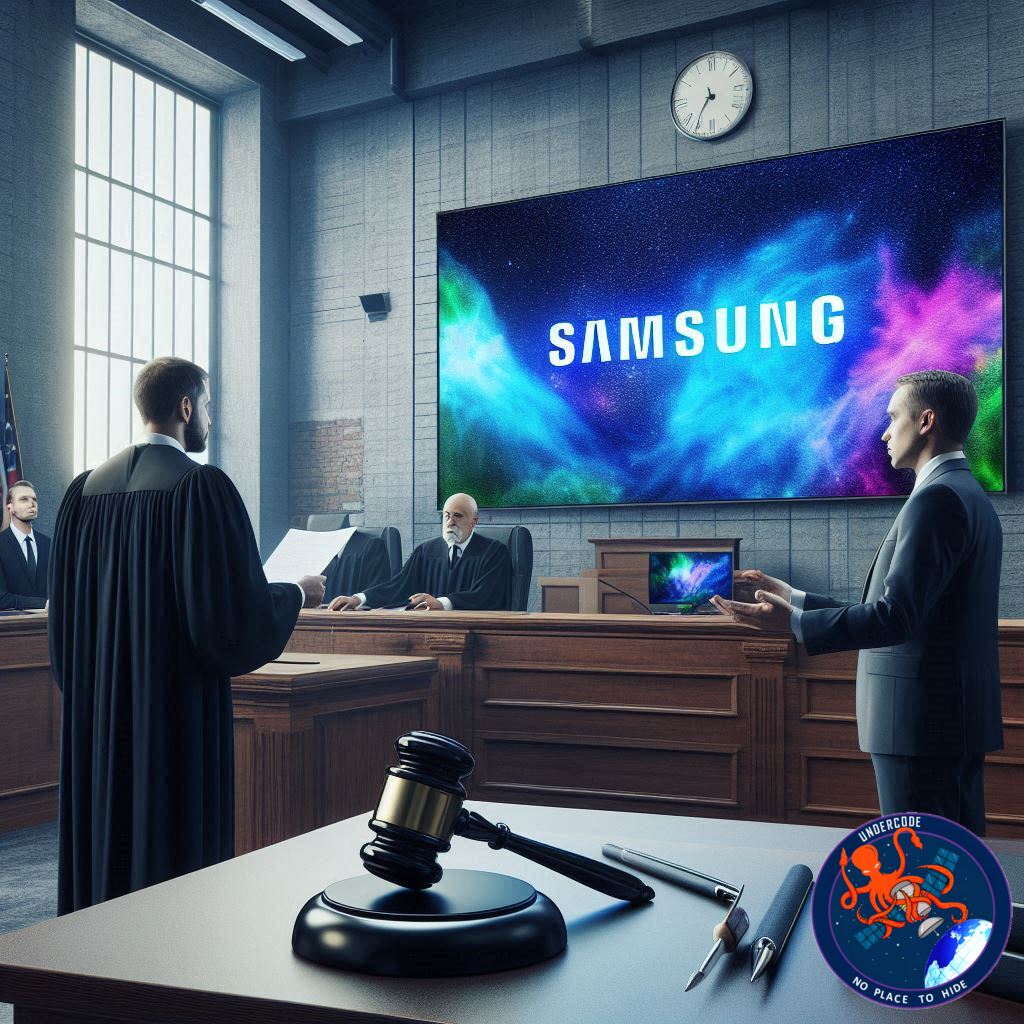
Introduction: A Privacy Bombshell Hits the Smart TV Industry
Smart TVs were sold as the future of home entertainment—sleek, intelligent, and deeply personalized. But in early 2026, that promise collided head-on with growing fears about digital surveillance inside American living rooms. A new legal battle in Texas has pushed those fears into the spotlight, targeting Samsung and several other major TV manufacturers over allegations that their devices quietly collected user data without proper consent. What started as a routine legal filing has now escalated into a court-ordered shutdown of a controversial data-tracking practice, sending shockwaves across the consumer electronics industry.
the Original What Happened and Why It Matters
The Texas Attorney General, Ken Paxton, filed lawsuits last month against Samsung and other major television manufacturers, including LG, Hisense, Sony, and TCL. The lawsuits accuse these companies of spying on Texas residents through their smart TVs by using a technology known as Automated Content Recognition, or ACR. According to the allegations, ACR works by capturing screenshots of whatever appears on a TV screen roughly every 500 milliseconds, then transmitting that data to company servers and third-party partners. The core issue is consent: the state claims this data collection occurred without clear or meaningful permission from users.
A significant early development has already taken place. A District Court in Texas granted a Temporary Restraining Order that immediately blocks Samsung and all associated partners from continuing to collect, use, sell, transfer, or share ACR data tied to Texas consumers. This ruling is not a final judgment on the case but a preliminary measure meant to prevent potential harm while the legal process continues. A similar restraining order has also been issued against Hisense, and legal observers expect comparable orders for the other manufacturers named in the lawsuit.
The court emphasized that these restraining orders do not determine guilt or innocence. Instead, they preserve the status quo until further evidence can be examined. A formal hearing is scheduled for January 9, where both sides will argue whether a temporary injunction should remain in place until the lawsuit reaches its conclusion—a process that could take months or even years. Unless extended by the court, the current restraining order will expire on January 19. For now, the message is clear: Texas courts are taking alleged smart TV surveillance seriously, and the industry is officially on notice.
Legal Context: Why Texas Is Taking the Lead
Texas has increasingly positioned itself as an aggressive enforcer of consumer privacy, particularly when it believes residents are being exploited by large technology companies. While states like California often dominate privacy discussions, Texas has quietly built a reputation for high-impact legal actions that carry real financial and operational consequences. This case reflects that strategy, using state law to challenge practices that might otherwise continue unchecked at the federal level.
The Technology at the Center of the Storm
Automated Content Recognition is not new, nor is it inherently illegal. In theory, ACR allows TV manufacturers to understand viewing habits in order to improve recommendations, advertising relevance, and platform performance. The controversy arises from how aggressively the technology operates and how little users may understand its scope. Capturing screen data multiple times per second crosses a psychological line for many consumers, especially when that data is shared externally.
Consumer Consent: The Weakest Link
At the heart of the lawsuit is the argument that users were not given meaningful notice or choice. Buried disclosures, vague language, or opt-out mechanisms that are difficult to find may not meet legal standards for informed consent. Texas is effectively arguing that “technically disclosed” does not equal “ethically or legally acceptable,” a distinction that could reshape how smart devices handle user permissions.
Industry-Wide Implications Beyond Samsung
Although Samsung is the most visible target, this case has broader consequences. Nearly every major smart TV brand relies on some form of content recognition or behavioral analytics. If Texas succeeds in forcing stricter limits or clearer consent mechanisms, manufacturers may be compelled to redesign their software frameworks nationwide rather than maintain state-by-state variations.
The Advertising Economy Behind Smart TVs
Smart TVs are often sold at thin margins, with advertising and data monetization filling the revenue gap. ACR data is valuable because it reveals not just what apps users open, but everything displayed on the screen—including game consoles, cable boxes, and streaming competitors. Restricting this data flow threatens a key income stream that manufacturers have come to rely on.
Regulatory Domino Effect
Historically, when one state takes a strong stance, others follow. If Texas secures a favorable ruling or settlement, it could embolden attorneys general across the U.S. to launch similar cases. That possibility alone may push manufacturers toward preemptive policy changes to reduce legal exposure.
What Undercode Say:
The Texas lawsuit marks a critical inflection point in the relationship between consumers and smart hardware. For years, convenience quietly outpaced caution. Users clicked “accept” to get faster setup times, smoother interfaces, and smarter recommendations, rarely questioning what they were giving up in return. This case forces an uncomfortable but necessary reckoning: when does personalization become surveillance?
From an industry perspective, Samsung and its peers are facing the consequences of prioritizing data extraction over transparency. The idea that a TV might capture screen data twice per second feels invasive, regardless of whether the information is anonymized. Perception matters as much as technical legality, and right now, public perception is turning sharply against opaque data practices.
There is also a strategic miscalculation at play. By normalizing aggressive data collection, manufacturers assumed regulators would remain focused on social media and mobile platforms. Texas has shattered that assumption. The living room is no longer a regulatory blind spot, and smart TVs are now being judged by the same standards as smartphones and apps.
Long-term, this case could accelerate a shift toward privacy-first hardware design. Clear opt-ins, local-only data processing, and transparent dashboards showing exactly what is collected may soon become competitive advantages rather than regulatory burdens. Companies that adapt early could rebuild trust, while those that resist may find themselves locked in expensive legal battles.
Finally, this dispute underscores a broader truth about modern technology: intelligence without accountability is unsustainable. As devices grow more capable, the expectation of ethical restraint grows alongside them. Texas is not just challenging a feature—it is challenging an industry mindset that treated user data as an unlimited resource. The outcome of this case may well determine whether smart TVs remain silent companions or become symbols of unchecked surveillance in the digital age.
🔍 Fact Checker Results
✅ Texas courts have issued a Temporary Restraining Order against Samsung related to ACR data collection.
✅ Automated Content Recognition is widely used across the smart TV industry.
❌ No final ruling has yet determined whether Samsung violated the law.
📊 Prediction
If the court extends the injunction, smart TV manufacturers will likely roll out emergency privacy updates nationwide rather than risk fragmented compliance. Expect clearer consent screens, reduced background data collection, and a noticeable shift in how TVs monetize user behavior over the next year.
🕵️📝✔️Let’s dive deep and fact‑check.
References:
Reported By: www.sammobile.com
Extra Source Hub (Possible Sources for article):
https://www.discord.com
Wikipedia
OpenAi & Undercode AI
Image Source:
Unsplash
Undercode AI DI v2
Bing
🔐JOIN OUR CYBER WORLD [ CVE News • HackMonitor • UndercodeNews ]
📢 Follow UndercodeNews & Stay Tuned:
𝕏 formerly Twitter 🐦 | @ Threads | 🔗 Linkedin | 🦋BlueSky | 🐘Mastodon


