
Listen to this Post
A Fresh Look at Tech Without the AI Hype
IFA 2025 in Berlin has been buzzing with innovation, futuristic demos, and big promises from tech giants. Yet, in a year where artificial intelligence dominates nearly every headline, the most refreshing products at Europe’s largest consumer electronics show are not entirely dependent on AI. Instead, they bring practical value, smart engineering, and convenience that real consumers can actually use today. From smarter lighting systems to AR glasses, advanced cleaning robots, and eco-friendly charging stations, the showcase proves that technology still has plenty of space for creativity outside of just AI integrations.
the Original
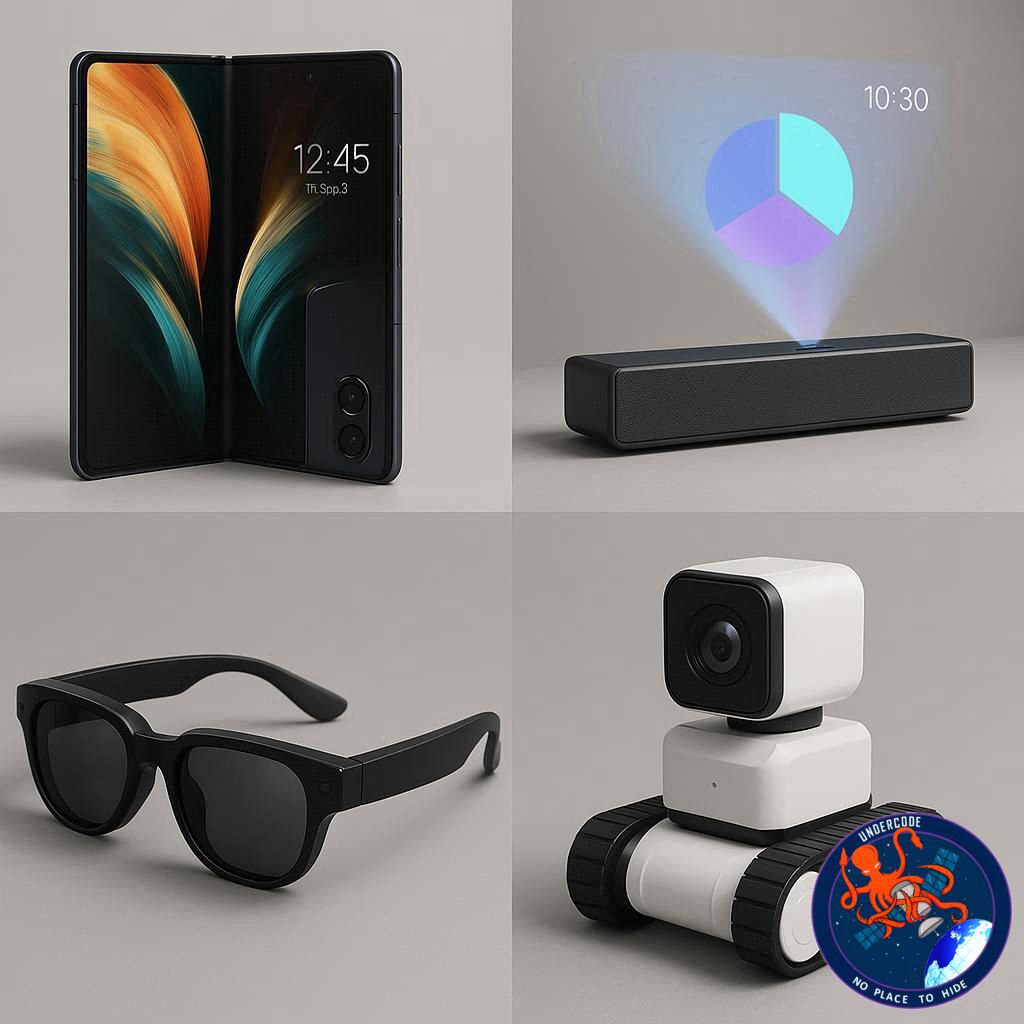
At IFA 2025, four standout products captured attention for blending innovation with practicality.
Philips Hue MotionAware via Bridge Pro introduces a new way to transform regular smart lights into motion detectors. Using the Hue Bridge Pro hub—five times faster than its predecessor and capable of supporting up to 150 lights—users can set groups of lights to detect motion by analyzing wireless signal changes. This makes existing setups smarter without requiring new devices, except for first-generation and portable lights.
Rokid Smart Glasses are emerging as a true competitor to Meta’s smart glasses. Offering augmented reality features and AI integration, they provide real-time translation in 89 languages, navigation, transcription, and object recognition. Weighing just 1.7 ounces, they are lighter than many rivals, yet still feature a 12MP camera, built-in audio, and GPT-5-powered assistant support. After surpassing \$1 million in Kickstarter pledges, they’re set to retail at \$599.
Ecovacs X11 Omnicyclone is redefining the robot vacuum segment with self-cleaning features, dustbag-free disposal, and a mop roller that can wash and dry itself at the dock. It includes a plastic dust canister that eliminates the recurring cost of dust bags. Its large battery, combined with GaN PowerBoost charging, allows it to clean up to 10,700 square feet without downtime. Smart voice assistance and improved TruEdge 3.0 technology ensure deep, corner-to-corner cleaning.
Olight Ostation 2 is a major step in rechargeable battery convenience. Unlike standard chargers that handle only one type, this model can simultaneously recharge up to 12 AA and 12 AAA batteries. It features an intuitive slot system that automatically sorts recharged batteries and prevents overcharging. This eco-friendly solution appeals to families and anyone who consumes batteries in large quantities.
Together, these four devices highlight how tech can solve everyday problems—whether it’s home automation, AR experiences, efficient cleaning, or sustainable energy use.
What Undercode Say:
The lineup at IFA 2025 demonstrates a refreshing pivot in consumer electronics—innovation focused on utility rather than gimmicks. Here’s my deeper take on what these devices really mean for the industry and consumers:
1. Philips Hue MotionAware: Bridging Old and New
Philips has cleverly leveraged existing infrastructure. Instead of pushing people to buy entirely new hardware, the Hue Bridge Pro extends the lifespan and functionality of products already in homes. This is a rare move in today’s profit-driven market, where companies often encourage obsolescence. More importantly, transforming lights into motion detectors via wireless signals hints at a broader future of “ambient sensing” where everyday objects monitor and respond to our environment.
2. Rokid Smart Glasses: Beyond Meta’s Shadow
Rokid’s timing is strategic. With Meta trying to dominate the smart glasses market, Rokid is carving its niche with practical features like real-time translation and navigation. The Kickstarter success shows strong consumer demand for alternatives, and the \$599 pricing makes it accessible compared to premium AR headsets. The integration of GPT-5-level intelligence further positions them as an assistant you can wear, which could spark new competition in wearables beyond fitness and health trackers. If Rokid maintains lightweight design and software reliability, it could disrupt the duopoly that Meta and Apple are aiming to build.
3. Ecovacs X11 Omnicyclone: The Appliance of the Future
The X11 is not just another robot vacuum—it’s a blueprint for the fully autonomous home appliance. By eliminating consumables like dust bags, Ecovacs not only reduces long-term costs for consumers but also minimizes environmental waste. Its PowerBoost recharge technology ensures that the vacuum can operate in massive spaces, which could appeal to commercial as well as residential customers. The inclusion of voice assistance hints at a trend where appliances are becoming “service agents” rather than passive machines. This could pave the way for multi-tasking household robots in the near future.
4. Olight Ostation 2: Small Change, Big Impact
Battery chargers aren’t glamorous, but Olight’s approach is pragmatic genius. By supporting both AA and AAA batteries in one unit, the Ostation 2 removes a frustrating limitation most households face. Its automatic sorting and anti-overcharge system demonstrate how incremental improvements can significantly impact sustainability. With billions of disposable batteries sold worldwide each year, this device has the potential to cut down on waste and make eco-friendly habits easier for the average family.
Bigger Picture: The Shift from AI to Utility
While AI continues to dominate the narrative, IFA 2025 shows that consumers are craving practical, tangible improvements. These four gadgets reflect a design philosophy rooted in solving real problems—making homes safer, wearables more useful, cleaning more autonomous, and energy use more sustainable. The underlying message: meaningful innovation doesn’t always require groundbreaking AI but rather thoughtful engineering applied to everyday challenges.
🔍 Fact Checker Results
✅ The Philips Hue Bridge Pro is confirmed to support up to 150 lights and add MotionAware functionality.
✅ Rokid Glasses indeed surpassed \$1M on Kickstarter with AR and AI features at \$599 retail.
✅ Ecovacs X11 Omnicyclone eliminates disposable dust bags and introduces self-cleaning features.
📊 Prediction
In the next two years, we’ll see an acceleration of hybrid innovations like these—devices that combine modest AI with strong practical design. Philips could inspire other smart-home brands to retrofit old devices with new capabilities, Rokid may push Meta into lowering its prices, and Ecovacs could become a dominant player in large-space automation. Meanwhile, everyday eco-friendly tools like Olight Ostation 2 will quietly drive the sustainability trend, proving that sometimes, the biggest revolutions come from the smallest gadgets.
🕵️📝✔️Let’s dive deep and fact‑check.
References:
Reported By: www.zdnet.com
Extra Source Hub:
https://www.digitaltrends.com
Wikipedia
OpenAi & Undercode AI
Image Source:
Unsplash
Undercode AI DI v2
🔐JOIN OUR CYBER WORLD [ CVE News • HackMonitor • UndercodeNews ]
📢 Follow UndercodeNews & Stay Tuned:
𝕏 formerly Twitter 🐦 | @ Threads | 🔗 Linkedin | 🦋BlueSky | 🐘Mastodon


