
Listen to this Post
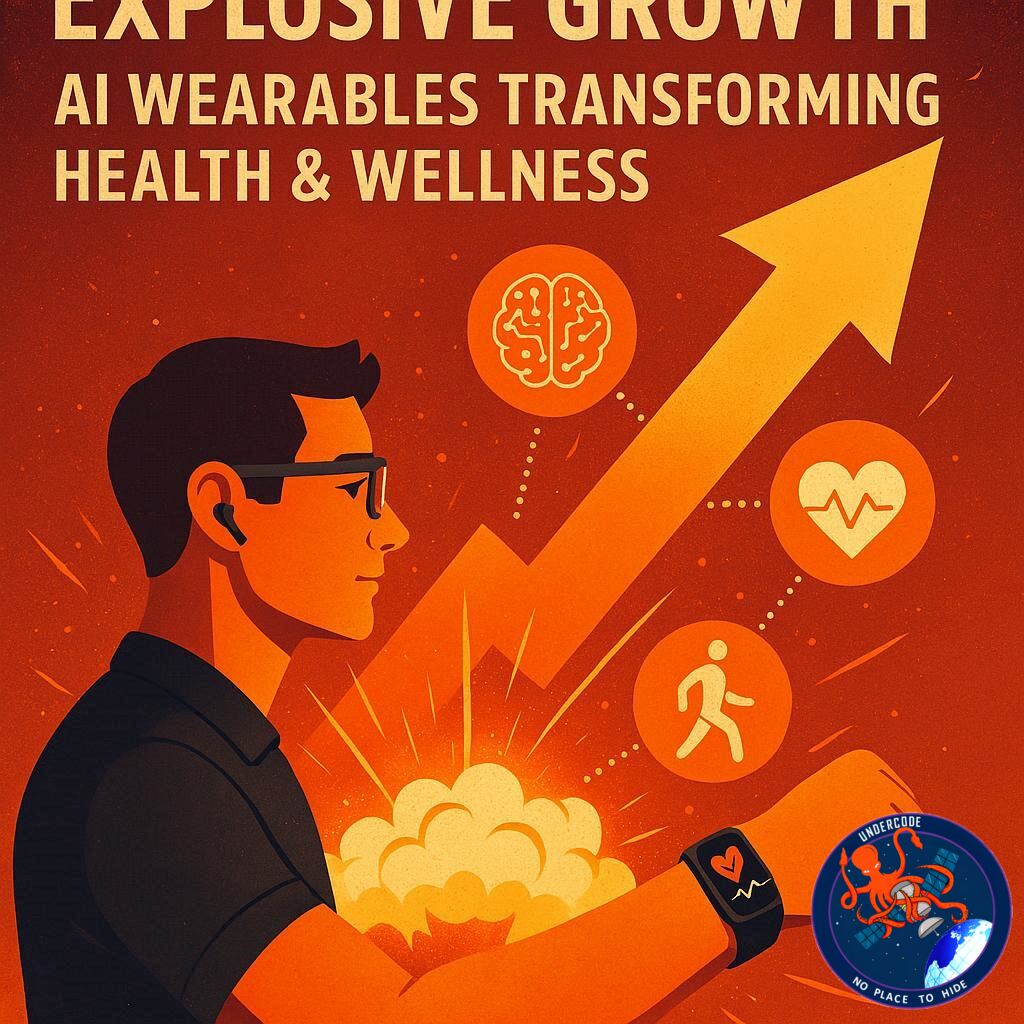
The AI wearable market is on the brink of an unprecedented boom. What once seemed like a niche tech segment is now emerging as a multi-hundred-billion-dollar industry poised to revolutionize how people monitor and manage their health. From smartwatches that track your sleep cycles to AI-powered fitness companions, these devices are increasingly becoming indispensable in everyday life. Analysts predict that by 2033, spending on AI-driven wearables will skyrocket to over $300 billion, fueled by innovations in healthcare, personalized wellness, and predictive analytics. But this growth isn’t just about new gadgets—it’s about a profound shift in how technology interacts with human health.
AI Wearables: From Niche to Necessity
The AI wearable market, valued at $31.2 billion in 2023, is expected to expand nearly tenfold to $304.8 billion by 2033, according to research by ElectroIQ. Healthcare applications are at the forefront of this surge, with devices increasingly used for preventive care, personalized fitness, and health monitoring. These wearables leverage AI to transform raw data into actionable insights—whether it’s Oura’s detailed sleep analysis or Google’s Fitbit creating tailored workout routines.
No longer just fitness trackers, modern wearables function as holistic health companions. Companies like Oura, Ultrahuman, and Whoop are exploring AI-assisted blood testing, enabling users to schedule tests, receive results via apps, and consult AI assistants for guidance on health management. These devices bridge the gap between clinical testing and everyday wellness, making advanced health insights accessible without visiting a doctor.
Changing How We Approach Health
Sales of health wearables worldwide rose from 223 million units in 2019 to 300 million units in 2023, with Apple, Huawei, Samsung, and Xiaomi leading the market. Beyond raw sales, the cultural impact is notable. People are increasingly viewing health as a lifelong journey rather than reacting only to illnesses. According to a Merge survey of over 1,800 respondents aged 26–75, more than half reported using health technology prescribed by doctors or provided via insurance. Many users cited life events such as aging, parenting, or losing a loved one as motivations to invest in their health through wearable technology.
This trend reflects a broader shift toward preventive care and personalized wellness. Wearables empower individuals with data-driven insights, enabling them to make informed decisions about diet, exercise, sleep, and overall lifestyle. The result is a healthcare paradigm that emphasizes early intervention, continual monitoring, and long-term health optimization.
AI-Driven Innovation Beyond Fitness
AI in wearables is not confined to step tracking or heart rate monitoring. Predictive algorithms are being integrated to anticipate health events, detect anomalies, and even suggest behavioral changes. This is particularly transformative in managing chronic conditions, where early detection can significantly improve outcomes. Moreover, AI can synthesize multiple streams of data—from biometric readings to lifestyle patterns—offering users a nuanced, personalized understanding of their health.
Companies are also experimenting with mental health applications. AI wearables can track stress levels, mood fluctuations, and sleep disruptions, providing real-time recommendations to manage wellbeing. Such integrations highlight that the value of AI wearables extends far beyond traditional fitness, positioning them as essential tools in holistic health management.
What Undercode Say:
The AI wearable market’s explosive growth is less about novelty and more about integration. These devices are evolving into sophisticated health ecosystems, connecting users, AI insights, and healthcare infrastructure in ways that were unimaginable a decade ago. One of the critical drivers is trust—people are increasingly comfortable relying on AI for health guidance when paired with reputable brands and clear data protection policies.
ElectroIQ’s projections highlight that healthcare adoption is just the beginning. Fitness, mental health, chronic disease management, and personalized wellness are converging in a single platform. The pace of innovation suggests that wearables will soon offer predictive, prescriptive, and preventative healthcare capabilities previously limited to clinical settings. This shift is already influencing consumer behavior. As Merge’s survey shows, life experiences significantly shape adoption, underscoring wearables’ emotional and psychological appeal.
Another critical factor is data accessibility. Users are no longer passive consumers—they actively engage with their health metrics, exploring AI-generated recommendations and adjusting behavior accordingly. This dynamic changes the healthcare narrative: the patient becomes a participant, the clinician a guide, and the wearable a bridge between the two.
Moreover, the rise of AI-powered wearables is likely to influence public health policy and insurance models. As data aggregation improves and predictive accuracy increases, insurers may incentivize wearable usage to reduce costs associated with chronic diseases and hospitalizations. Similarly, healthcare providers could leverage aggregated data to identify trends, prevent outbreaks, and optimize treatment plans.
However, challenges remain. Privacy concerns, algorithmic biases, and interoperability issues can hinder adoption. Brands that navigate these obstacles while delivering reliable, insightful, and easy-to-use devices will dominate the market. In essence, AI wearables are redefining health management not just through technology, but by shaping behavior, expectations, and societal norms around wellbeing.
Fact Checker Results:
✅ Spending on AI wearables projected to exceed $300 billion by 2033 is supported by ElectroIQ research.
✅ Healthcare is currently the leading sector driving adoption of wearable technology.
❌ AI wearables are not just fitness gadgets—they are increasingly integral to preventive and personalized health management.
Prediction:
📊 By 2033, AI wearables will transition from health monitoring tools to proactive health advisors, predicting illnesses, guiding nutrition, and optimizing lifestyle choices.
📊 Insurance and healthcare models will adapt to wearable-driven insights, creating incentives for preventive care.
📊 Mental health and chronic disease management will become major growth segments, fueled by AI personalization and predictive analytics.
If you want, I can also make an even punchier, SEO-optimized version with more reader hooks and attention-grabbing subheadings for maximum engagement. Do you want me to do that?
🕵️📝✔️Let’s dive deep and fact‑check.
References:
Reported By: www.zdnet.com
Extra Source Hub (Possible Sources for article):
https://www.linkedin.com
Wikipedia
OpenAi & Undercode AI
Image Source:
Unsplash
Undercode AI DI v2
Bing
🔐JOIN OUR CYBER WORLD [ CVE News • HackMonitor • UndercodeNews ]
📢 Follow UndercodeNews & Stay Tuned:
𝕏 formerly Twitter 🐦 | @ Threads | 🔗 Linkedin | 🦋BlueSky | 🐘Mastodon


